
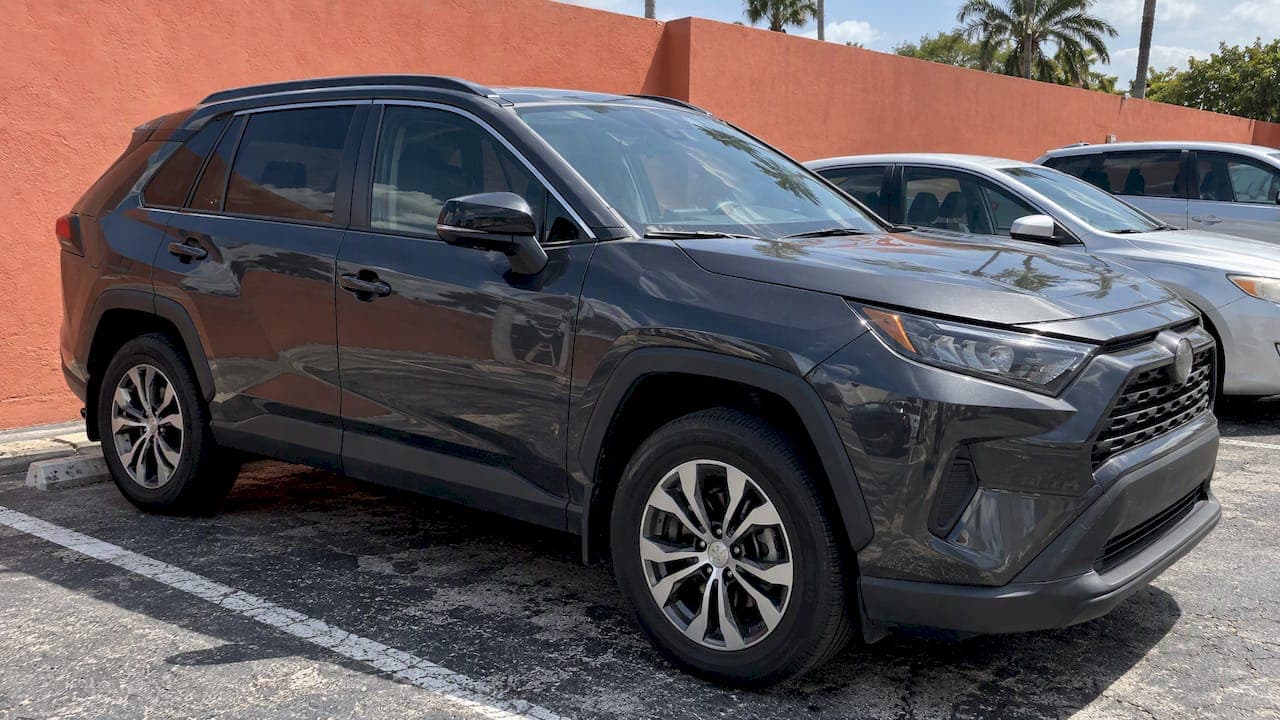
Iviron KoolMax is a two-ply nano-ceramic window film for cars. Its main benefits are strong heat rejection, 99% UV blocking, less glare, more interior privacy and no interference with phone, GPS or key fob signals. Those are the manufacturer's claims, and below we explain what each one means in a Miami car, where it falls short, and what Florida law lets you put on each window.
We install KoolMax at your home, office or workplace across Miami-Dade, so this guide comes from the driveway, not from a spec sheet alone.
TL;DR
- KoolMax is a 2-ply, 1.5 mil nano-ceramic automotive film made by Uviron. Ceramic particles absorb infrared heat instead of dyeing the film dark.
- Uviron lists up to 64% TSER and up to 89% infrared rejection. TSER is the number that tells you the most about real comfort.
- It blocks 99% of UV, which protects your skin, dashboard, leather and door panels.
- Film cannot beat Florida's limits: front side windows must stay at 28% VLT or lighter. Pick the shade for the window, not just the look.
- We install it on site. Pricing starts at $150 for 2 front windows and $500 for a full car plus windshield.
Table of Contents
- What Iviron KoolMax is
- The benefits, one by one
- KoolMax compared with other film types
- Limitations to know before you buy
- Florida tint law: which KoolMax shade goes where
- Our perspective
- What it costs and how booking works
- Caring for KoolMax after installation
- Is KoolMax right for you?
- FAQ
- Sources
What Iviron KoolMax is
KoolMax Supreme Ceramic is the automotive ceramic line from Uviron, sold through installers under the Iviron KoolMax name. According to the product page, it is a 2-ply, 1.5 mil nano-ceramic film. "Nano-ceramic" means microscopic ceramic particles are built into the film. They are non-metallic, so they do not block radio signals the way older metalized films can.
It sits in the premium tier of what we offer. Besides KoolMax, we install 3M Ceramic IR, 3M Crystalline and 3M Color Stable, and we also offer carbon tint for drivers who want a lower price point. You can see the 3M options here.
The benefits, one by one
Heat rejection you notice in a parked car
Heat is the reason most Miami drivers tint. Uviron lists KoolMax at up to 64% TSER and up to 89% infrared rejection.
These two numbers are not the same thing:
- TSER (Total Solar Energy Rejection) covers the whole solar spectrum: visible light, infrared and UV. It is the best single figure for how much solar heat the film keeps out.
- IR rejection measures only the infrared band. It is a big part of the heat story, but a high IR number alone can make a film look better than it feels.
When you compare films, compare TSER to TSER, at the same shade. A light film and a dark film from the same line will not score alike. The "up to" in a spec means the best case, which is usually the darker shades.
How ceramic film handles heat
The Automotive Education Guide from the International Window Film Association describes spectrally selective nanoparticle coatings as working mainly by absorbing infrared energy rather than reflecting it. That is why ceramic film can look fairly light and still do real work: it targets the invisible part of sunlight.
The same guide notes that absorbed solar energy can move inward or outward through convection and re-radiation. In plain terms, the film and glass warm up, then shed some of that heat to both sides. We cover this under limitations below, because it affects what you should expect.

For a deeper look at how films are rated, see our 2026 guide to thermal performance of window films.
99% UV protection
Uviron states that KoolMax blocks 99% of UV rays. That matters for two reasons:
- You. Your left arm and the side of your face get the most sun on a commute. Film on the side windows cuts that exposure.
- Your interior. UV fades dashboards, cracks leather and discolors door panels. South Florida's sun is hard on all three.
If you drive a vehicle with leather or a car you want to keep original, these are worth a read: how a clear windshield film protects a leather dash, what car owners should know about the UV spectrum and UV protection for classic cars.
Less glare, clear view
Uviron says the film is designed to reduce glare from sunlight and headlights, which it ties to a more comfortable drive and less eye strain. Anyone who has driven west on the Dolphin Expressway at 5 p.m. knows why that helps.
Glare reduction depends on shade. Darker film cuts more glare but also lowers night visibility. If you drive a lot after dark on poorly lit roads, choose a lighter shade and rely on the ceramic particles for heat instead of darkness.
Privacy without a mirror look
A ceramic film gives the interior privacy through shade, not through a reflective, mirrored surface. Bags, a laptop or a gym kit on the back seat are harder to see from the sidewalk. This is a deterrent, not a security system.
Signal-friendly
Because the film has no metal layer, Uviron describes it as transparent to electronics signals. That matters for GPS, cell phones, toll transponders, key fobs and satellite radio. Many newer cars, especially EVs, rely on sensors in and around the glass, which is one more reason ceramic is the usual choice. Our article on sensor-safe ceramic tint for EVs goes into more detail.
KoolMax compared with other film types
Here is how the main options we install compare in general terms. Individual shade and product ratings vary, so ask for the spec sheet of the exact film.
| Film type | Heat rejection | UV protection | Signal interference | Best for |
|---|---|---|---|---|
| Dyed film | Low | Varies | None | Lowest cost, looks only |
| Carbon | Moderate | High | None | Good value, matte dark look |
| Ceramic (KoolMax, 3M Ceramic IR) | High | High | None | Daily drivers, heat, long road time |
| Metalized film | Moderate to high | High | Can interfere | Rarely used on modern cars |
If you are choosing between KoolMax and 3M ceramic, both are premium ceramic films. The practical difference is shade range, warranty terms and budget. We will tell you which one fits your car when you request a quote.
Limitations to know before you buy
We would rather you know these up front.
- Absorbed heat has to go somewhere. Because ceramic film absorbs infrared energy, the glass warms. With the A/C off and the windows closed, some heat will still reach the cabin. With the A/C on, you feel the difference: the system cools faster and works less hard.
- It does not make a car cold. Expect a car that heats up less and cools faster, not one that stays cool by itself after hours in a parking lot.
- "Up to" numbers are best case. Ask for the TSER of the exact shade you are buying.
- Darker is not always better. Heat rejection comes from the ceramic, and you should not give up night visibility or break the law to get it.
- Install quality counts. Edges, dust and curved rear glass are where cheap jobs fail. Film must be cut and shrunk to fit the glass.
The windshield heat reduction article explains why the windshield is a major heat source and how clear ceramic film helps there.
Florida tint law: which KoolMax shade goes where
Tint law decides which shade you can legally put on each window. Florida's statute 316.2953 covers side windows beside and in front of the driver, and the front side limit is 28% visible light transmission or more. Windows behind the driver fall under a separate section, 316.2954, with different limits for sedans and for SUVs, vans and trucks. Reflectivity is also regulated.
A few practical points:
- VLT is measured on the glass and film together. Factory glass is not perfectly clear, so a 35% film can meter lower than 35% once installed.
- Rear limits differ by vehicle type. Tell us if you drive an SUV, a truck or a sedan, and we will select shades that fit.
- Windshield rules are strict. A clear ceramic film is often used for heat and UV, but check that your film choice complies before installation.
- A medical exemption exists in Florida for some conditions. Talk to your doctor and the state licensing authority; do not assume tint is allowed on that basis.
We confirm shade choices at booking. If you are unsure, ask us before you buy.
Our perspective
We have been tinting cars for more than 25 years, and the same question comes up in every driveway: "Is the premium film worth it?" Our honest answer depends on how you use the car.
If you commute in Kendall, Pinecrest or Homestead, park outside and run the A/C all year, ceramic is worth it. The difference shows up in how fast the cabin cools, how hot the steering wheel is and how long the dash lasts. If your car lives in a garage and you want a dark look, carbon may be all you need.

We also tell people to skip the darkest option for its own sake. The best KoolMax jobs we do are not the darkest. They are the ones where the shade is legal, the edges are clean, and the film is cut by computer to the exact glass. A flawless install of a mid-range shade beats a rushed install of the most expensive film.
Finally, we come to you. The film cures better in a clean, shaded spot, so we ask where the car will be parked and plan around it.
— Jose
What it costs and how booking works
Our published starting prices are:
- 2 front windows: from $150
- Windshield tint: from $150
- Full car plus windshield: from $500
Final price depends on the vehicle, the film you choose and the number of windows. Ceramic films such as KoolMax and 3M Ceramic IR are quoted by vehicle, and old tint removal is quoted separately if your car has bubbling or purple film. For a rough idea of how mobile tint is priced, see our mobile window tinting prices page.
We install on site in Miami, Kendall, Homestead, Cutler Bay and Pinecrest, and same-day availability is often possible.
Want KoolMax or another ceramic film on your car? Get a quote for mobile ceramic tint and tell us your make, model and the windows you want done. We will recommend a legal shade and book a time at your location. You can also see all of our services and starting prices.
Caring for KoolMax after installation
Good care keeps the film clear for years.
- Do not roll the windows down for a few days. The film needs time to cure. Small hazy patches or tiny water pockets can appear early and usually clear as it dries.
- Wait before cleaning the inside. Your installer will tell you how long for your film and the weather.
- Use ammonia-free glass cleaner and a soft microfiber cloth. Ammonia and rough towels damage film.
- Be careful at the edges. Seat belts, bags and rings can scratch or lift film near the window frame.
If you also want water to bead on the outside of the glass, a ceramic coating on glass is a separate exterior product, while window film is applied to the inside surface.
Is KoolMax right for you?
Choose KoolMax if:
- You park outside in Miami-Dade and want the cabin to stay more comfortable.
- You have leather, light interior trim or a car you want to preserve.
- You use phones, GPS and toll transponders and want no signal trouble.
- You want a premium ceramic film at a manageable price.
Consider another film if:
- You mainly want a darker look at the lowest price (carbon may fit).
- You want a specific 3M film or warranty. We can match you to 3M Ceramic IR, Crystalline or Color Stable.
- You are tinting a home or office, where architectural film is the right product. See why high-performance window film works at home.
For more on the ceramic category in general, read the benefits of ceramic window tint, and how tint protects against Miami's UV rays.
FAQ
Is Iviron KoolMax the same as Uviron KoolMax?
The film is made by Uviron, and people often search or say it as "Iviron." The product line is KoolMax Supreme Ceramic. When you request a quote, either spelling gets you to the same film, and we will confirm the exact shade and specs before we start.
How much heat does KoolMax block?
Uviron lists up to 64% total solar energy rejection and up to 89% infrared rejection for KoolMax. The real figure depends on the shade, so ask for the spec of the exact film. Compare TSER between films, since it covers the full solar spectrum.
Will KoolMax affect my phone, GPS or key fob?
No. It is a nano-ceramic film with no metal layer, and Uviron describes it as transparent to electronic signals. That is a main reason ceramic film is chosen over older metalized types.
Can I put any KoolMax shade on my front windows in Florida?
No. Florida requires front side windows to allow 28% or more visible light, measured with the glass. Darker shades are for windows where the law allows them, and the limits behind the driver differ by vehicle type. We pick shades that comply when we quote.
Sources
- KOOLMAX Supreme Ceramic Window Film by UVIRON
- Uviron Film Spec Overview
- IWFA Automotive Education Guide
- Florida Statutes, section 316.2953
- Ceramic coating on glass