
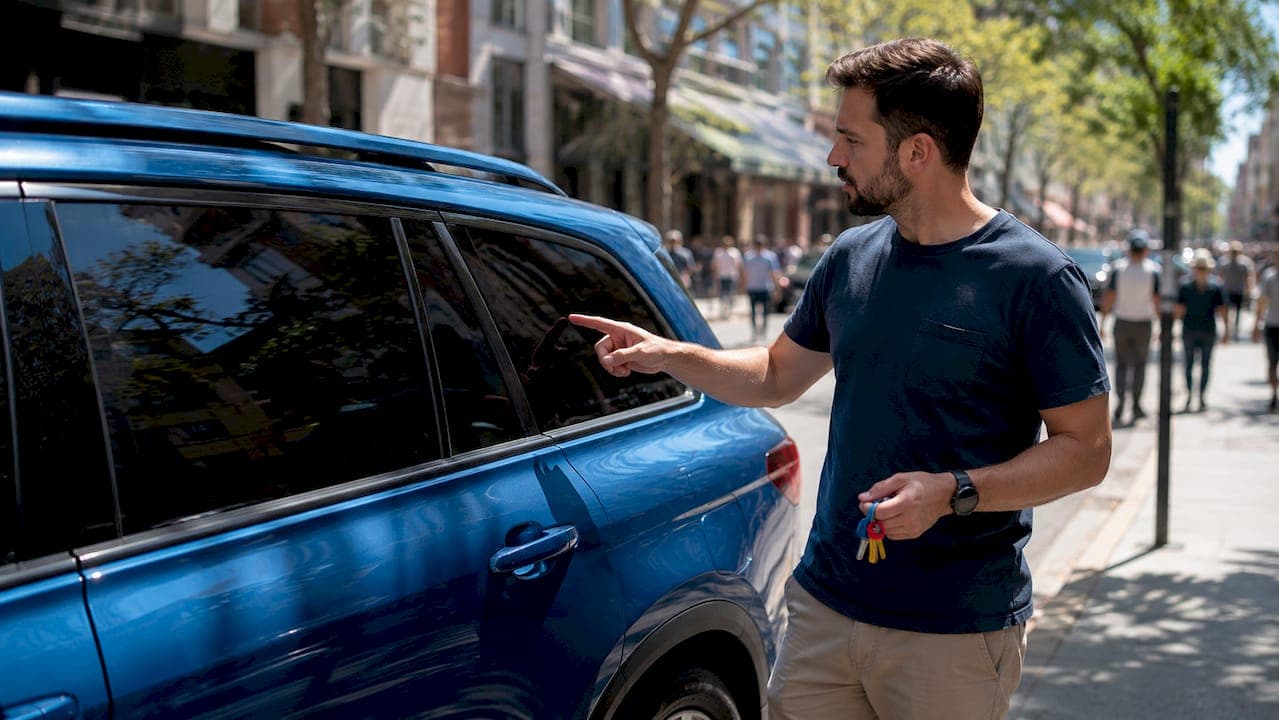
Privacy glass is factory-manufactured tinted automobile glass designed primarily for visual obscurity, while window tint is an aftermarket film that delivers superior UV protection, heat rejection, and customizable privacy. Most car owners assume their factory-installed privacy glass handles everything. It does not. Understanding the privacy glass vs tint distinction is the difference between a car that looks private and one that actually protects you. The right choice depends on your climate, your health priorities, and how long you plan to keep your vehicle.
What is the difference between privacy glass and window tint?
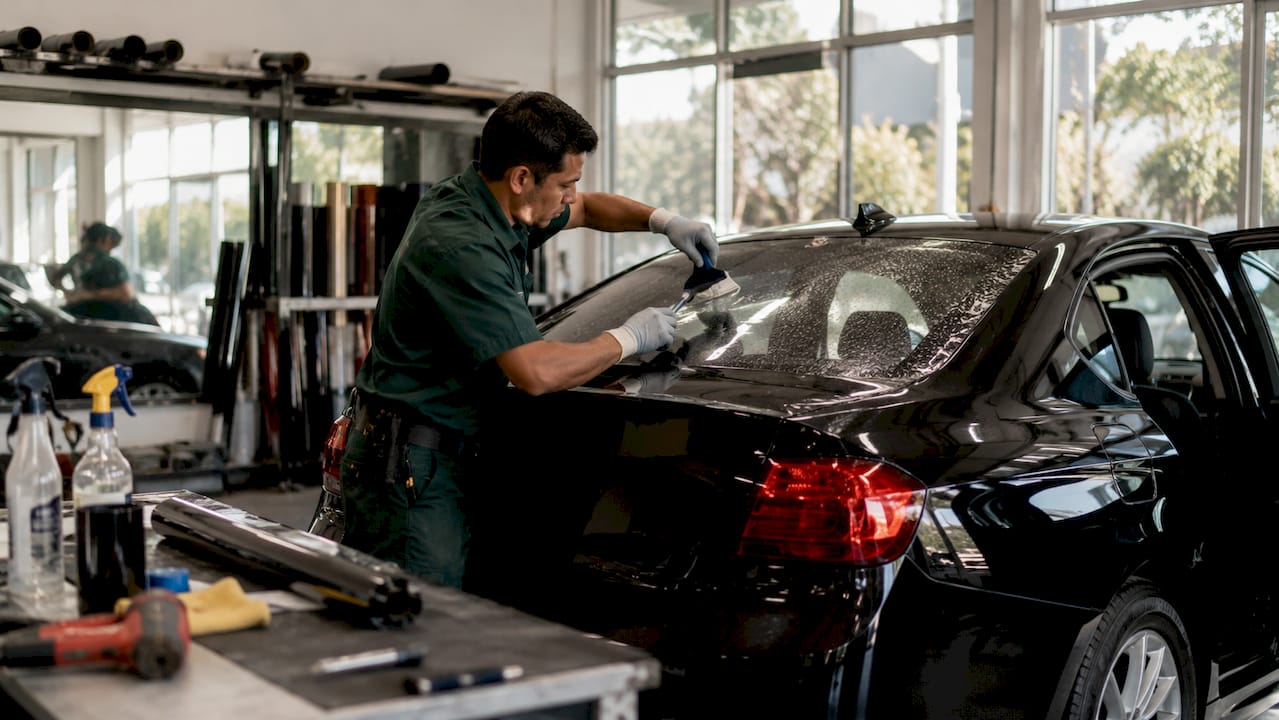
Privacy glass and window tint solve different problems. Factory privacy glass is dyed during the manufacturing process, which darkens the glass permanently for visual obscurity. It gives rear windows and hatchbacks that dark, finished look straight from the factory. Window tint, by contrast, is a thin film applied to the interior surface of existing glass after the vehicle is built.
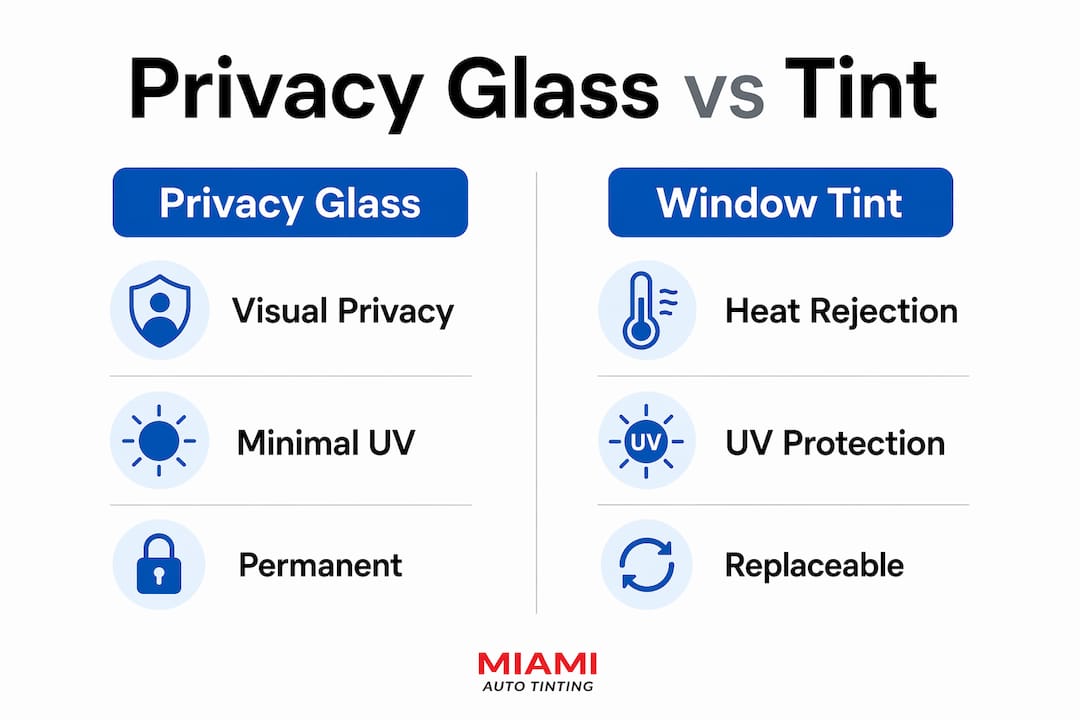
The key functional gap is thermal and UV performance. Privacy glass offers minimal UV or infrared protection, despite its dark appearance. Aftermarket tint films are engineered specifically to block radiation and heat. That engineering gap is what makes the two options fundamentally different, not just cosmetically different.
How factory privacy glass is made and where it falls short
Factory privacy glass gets its color from metallic oxides or dyes mixed directly into the glass during production. The result is a permanent, uniform tint that cannot be removed or upgraded without replacing the glass entirely. Manufacturers apply it almost exclusively to rear side windows and rear windshields, which is why your front windows are typically clear from the factory.
The visual privacy is real. Rear passengers and cargo are harder to see from outside. However, the thermal performance of privacy glass is weak. The dye absorbs some light but does not meaningfully block infrared radiation, which is the primary driver of cabin heat buildup. Your car can still feel like an oven in summer even with factory privacy glass on every rear window.
Privacy glass also varies significantly between manufacturers. One automaker's "dark" privacy glass may transmit 20% of visible light while another's transmits 30%. There is no universal standard for darkness or UV performance across brands. That inconsistency makes it unreliable as a functional heat or UV barrier.
Pro Tip: Because factory privacy glass is permanent, adding aftermarket film on top is the only way to upgrade its performance. You are not replacing the glass. You are layering a functional film over it.
What are the window tinting options and how do they perform?
Aftermarket tint film types fall into four main categories: dyed, metalized, carbon, and ceramic. Each tier offers progressively better performance and durability.
Dyed film is the entry point. It absorbs solar energy and reduces glare but fades over time and offers limited heat rejection. Metalized film adds reflective metallic particles that improve heat rejection and durability. The tradeoff is signal interference. Metalized tints can disrupt GPS, cell phone, and radio signals, which is a real concern for modern connected vehicles. Carbon film eliminates the signal problem while delivering solid infrared rejection and a matte finish that does not fade. Ceramic film is the top tier. It uses non-conductive ceramic particles to block heat and UV without affecting electronics, and it carries lifetime warranties from reputable manufacturers.
| Film Type | UV Rejection | Heat Rejection | Signal Interference | Durability |
|---|---|---|---|---|
| Dyed | Moderate | Low | None | Fades over time |
| Metalized | Good | Good | Yes | High |
| Carbon | Very good | Very good | None | High |
| Ceramic | 99%+ | Up to 65% | None | Lifetime |
Ceramic tint is the professional recommendation for car owners who want balanced, long-term performance. It never fades, maintains full signal clarity, and delivers the highest heat and UV rejection of any film type. Southmiamitint installs 3M IR, 3M Color Stable, and Iroviron Kollmax ceramic films, all of which fall into this premium category.
Pro Tip: If your vehicle has a rear windshield defroster, always confirm your installer uses a ceramic or carbon film. Metalized films can interfere with the defroster's embedded wires over time.
How do privacy glass and window tint compare on heat, UV, and comfort?
This is where the performance gap becomes impossible to ignore. High-quality aftermarket films block up to 99% or more of harmful UV rays, while factory privacy glass offers minimal and inconsistent UV protection. UV radiation causes both skin damage and interior fading. Leather cracks, dashboards warp, and upholstery fades from sustained UV exposure. Tint addresses all of that. Privacy glass does not.
Heat reduction is equally dramatic. Premium ceramic tints reduce solar heat buildup by 35% to 60%, with cabin temperatures dropping significantly compared to untinted or privacy-glass-only vehicles. That reduction directly lowers the load on your air conditioning system, which improves fuel efficiency and extends AC component life.
Here is how the two options compare across the metrics that matter most to car owners:
| Performance Area | Factory Privacy Glass | Ceramic Window Tint |
|---|---|---|
| UV protection | Minimal | 99%+ |
| Infrared heat rejection | 15–25% | Up to 65% |
| Visual privacy | Moderate to high | Customizable |
| Glare reduction | Low | High |
| Interior preservation | Minimal | Strong |
| Replaceability | Permanent | Replaceable |
Window film is a replaceable, upgradeable solution unlike permanent factory glass. That flexibility matters when your needs change or when a film reaches the end of its life. Privacy glass stays with the car forever, at whatever performance level it was manufactured to.
Glare reduction is another area where tint wins clearly. Glare from direct sunlight and oncoming headlights at night contributes to driver fatigue and reaction time delays. Quality tint reduces visible light transmission in a controlled way, cutting glare without compromising nighttime visibility when installed at legal levels.
Combining ceramic tint over factory privacy glass gives you the best of both. The factory glass provides the base visual privacy. The ceramic film adds the UV blocking, heat rejection, and glare control that the glass alone cannot deliver. For hot climates like Miami, this layered approach is the most effective setup available.
When should you rely on privacy glass and when should you add tint?
Factory privacy glass is a reasonable baseline if your only goal is rear-seat visual privacy and you live in a mild climate. It requires zero maintenance, never peels, and comes standard on most SUVs, minivans, and trucks. For many car owners, it is simply what came with the vehicle and they have never questioned it.
Window tint becomes the right choice the moment your priorities expand beyond basic visual privacy. The benefits of window tinting include UV protection, heat rejection, glare reduction, and interior preservation. None of those come from factory glass. If you drive in a hot or sunny climate, spend significant time in your vehicle, or want to protect your health and your car's interior, aftermarket tint is not optional. It is the practical upgrade.
Here are the key factors to weigh when making your decision:
- Climate. Hot, sunny regions like South Florida demand heat and UV protection that only aftermarket film provides.
- Health. UV exposure through car windows is a documented skin cancer risk. Quality tint blocks 99%+ of UV rays.
- Interior condition. Leather, vinyl, and fabric all degrade faster without UV protection. Tint extends interior life.
- Privacy needs. If you want front window privacy, tint is your only option. Factory glass covers rear windows only.
- Budget. Ceramic tint has a higher upfront cost but its durability offsets the investment over the vehicle's life.
- Legal limits. Every state sets visible light transmission minimums for front windows. A professional installer will keep you compliant.
Pro Tip: Always have a licensed professional install your tint. Improper installation causes bubbling, peeling, and potential legal violations. Professional installation also protects your warranty on premium films like 3M IR.
Key takeaways
Window tint outperforms factory privacy glass on every functional metric that matters for car owner comfort, health, and interior protection.
| Point | Details |
|---|---|
| Privacy glass is visual only | Factory glass darkens appearance but blocks minimal UV and infrared heat. |
| Ceramic tint blocks 99%+ UV | Aftermarket ceramic film protects passengers and interiors from UV damage. |
| Heat reduction is significant | Ceramic tint reduces solar heat buildup by 35–60%, lowering cabin temperatures. |
| Layering is the best approach | Adding ceramic film over factory privacy glass delivers maximum protection. |
| Tint is replaceable; glass is not | Aftermarket film can be upgraded or replaced; factory glass is permanent. |
What I have learned after years of tinting cars in South Florida
Most car owners I talk to are genuinely surprised when I tell them their factory privacy glass does almost nothing for heat or UV. They see dark windows and assume protection. That assumption costs them. Faded interiors, cracked dashboards, and uncomfortable summer drives are all preventable with the right film.
My honest recommendation is ceramic tint on every window, including the front. The front windows are where you and your front passenger absorb the most UV radiation, and they almost never have factory privacy glass. Ceramic film on front windows is the single highest-impact upgrade most car owners skip.
I also caution against going too dark on front windows. Legal limits exist for good reason. A film that is too dark reduces nighttime visibility and creates a real safety risk. The goal is maximum protection within the legal visible light transmission range for your state. A professional installer knows those limits and will keep you on the right side of them.
The combination approach, ceramic film over factory privacy glass on the rear, plus ceramic film on the front, is what I recommend for anyone driving in Miami or any other high-sun climate. It is not the cheapest option upfront. It is the one that pays off every single summer.
— Jose
Window tinting services from Southmiamitint in Miami
Southmiamitint provides mobile ceramic window tinting for cars throughout Miami-Dade, which means professional installation comes to your location. No shop visits, no waiting rooms.
The film options include 3M IR, 3M Color Stable, and Iroviron Kollmax ceramic tint, all of which deliver 99%+ UV rejection and significant infrared heat reduction. Every installation is done by trained professionals who know Florida's tint laws and will keep your vehicle compliant. Ceramic window tint in Miami starts at $249, with pricing based on vehicle size and film selection. You can also review mobile tinting prices online before booking. Contact Southmiamitint for a fast quote and get your vehicle protected on your schedule.
FAQ
Does factory privacy glass block UV rays?
Factory privacy glass blocks minimal UV radiation. It is designed for visual privacy, not UV or infrared protection.
Is ceramic tint worth the extra cost?
Ceramic tint is worth the cost for car owners in hot or sunny climates. It blocks 99%+ of UV rays, rejects up to 65% of solar heat, and never fades.
Can you add window tint over factory privacy glass?
Yes. Applying ceramic film over factory privacy glass is the recommended approach. It combines the visual privacy of the glass with the heat and UV protection of the film.
What tint is legal for front windows in Florida?
Florida law requires front side windows to allow at least 28% visible light transmission. A licensed installer will measure and confirm compliance before finishing the job.
Does metalized tint interfere with phone signals?
Metalized tint can disrupt GPS, cell phone, and radio signals. Ceramic and carbon films avoid this issue entirely and are the better choice for modern connected vehicles.