
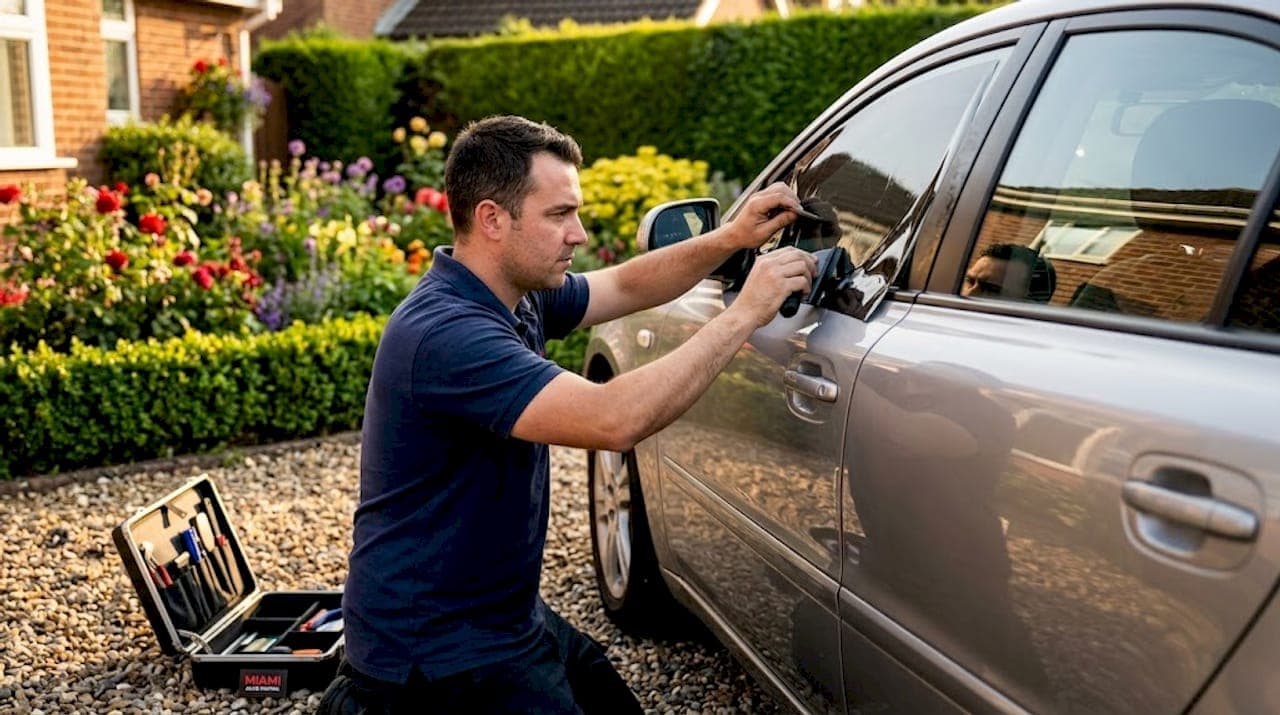
You're weighing the pros and cons of window tinting, and the decision is more involved than most people expect. Tinted windows can transform a vehicle's comfort and appearance, but they also come with real trade-offs involving cost, legality, and long-term performance. Whether you're dealing with Miami's brutal sun or simply want more privacy on the road, this guide breaks down every advantage and disadvantage so you can decide with confidence, not guesswork.
Table of Contents
- Key takeaways
- Pros and cons of window tinting: what to evaluate first
- 1. Major UV protection for skin and interior
- 2. Significant heat reduction inside the cabin
- 3. Glare reduction that improves safety
- 4. Privacy and security benefits
- 5. Aesthetic upgrade and potential resale value
- 6. High upfront cost, especially for quality films
- 7. Reduced nighttime visibility
- 8. Legal risk if you choose the wrong darkness level
- 9. Warranty risks from aftermarket film
- 10. Bubbling, peeling, and DIY durability problems
- 11. Difficult and messy tint removal
- How different tint types and installation methods compare
- Is window tinting worth it? How to decide for your situation
- My honest take on window tinting after years of seeing what works
- Get professional mobile tinting without leaving your driveway
- FAQ
Key takeaways
| Point | Details |
|---|---|
| UV and heat protection are real | Quality films block up to 99% of UV radiation and can cut heat gain significantly. |
| Legal limits matter everywhere | Tint darkness is regulated by state law, and non-compliance means fines or forced removal. |
| Film type changes the outcome | Ceramic tint outperforms dyed and metallic options in durability, clarity, and heat rejection. |
| Professional installation protects your investment | Most warranties only cover professionally installed films, and DIY errors cause bubbling and peeling. |
| Your climate should drive the decision | Hot, sun-heavy regions deliver far more measurable return on tinting than mild climates do. |
Pros and cons of window tinting: what to evaluate first
Before you commit to any tint, a few criteria will determine how much value you actually get out of the upgrade.
Legal compliance comes first. State tinting laws regulate Visible Light Transmission (VLT) percentages, which control how dark your windows can legally be. Florida, for example, has specific limits for front side windows that differ from rear windows. Getting this wrong means fines, failed inspections, or paying to have the tint removed entirely.
Film type matters more than most people realize. Your main options are:
- Dyed film: The most affordable choice, good for privacy and appearance, but limited heat rejection and shorter lifespan
- Metallic film: Better heat rejection than dyed, but it can interfere with GPS, Bluetooth, and cellular signals
- Carbon film: No signal interference, good color stability, and solid UV protection at a mid-range price
- Ceramic film: The top performer across every category. Ceramic tints maintain visible light transmission while delivering superior UV and infrared protection, and they last 10 to 15 years or more without fading
- Hybrid film: A blend of dyed and metallic layers, offering a middle ground for buyers on a tighter budget
Professional versus DIY installation is not a style debate. Professional installation produces longer-lasting results with fewer defects, and most manufacturer warranties on film only cover professionally applied tint. DIY kits seem affordable upfront, but errors during application are common and expensive to fix.
Pro Tip: Always check your vehicle's factory glass warranty before applying any aftermarket film. Certain high-heat-rejection films can cause thermal stress cracking on some factory glass, potentially voiding that coverage.
1. Major UV protection for skin and interior
Quality window films block up to 99% of harmful UVA and UVB radiation. That matters for your skin during daily driving, but it also protects your vehicle's interior from the kind of slow, relentless damage that most people don't notice until it's already done. Dashboards crack, leather dries out, and seat fabric fades. Tint slows all of it down measurably.
2. Significant heat reduction inside the cabin
High-performance ceramic films reduce solar heat gain by 50 to 80%, cutting cooling loads by 25 to 30% in sun-heavy climates. In practical terms, your car stays cooler when parked, your AC reaches your set temperature faster, and you're not burning your hands on the steering wheel in July. For electric vehicle owners, this is especially useful. Minimizing heat buildup directly preserves battery life by reducing the energy demand on the climate control system.
3. Glare reduction that improves safety
Sunlight reflecting off other vehicles, wet pavement, or low-angle morning and afternoon sun creates real driving hazards. Tinted windows reduce that glare meaningfully, making it easier to see clearly during peak glare hours. Tinted windows help maintain interior comfort and improve driver focus, which has a safety dimension that goes beyond simple comfort.
4. Privacy and security benefits
Darker tint makes it harder for people outside the vehicle to see your belongings or passengers. This is a practical deterrent against smash-and-grab theft. It also gives occupants in the rear seats a level of privacy that matters for families with children or anyone who frequently transports valuables. The privacy benefit is most pronounced with carbon and ceramic films that maintain a clean, neutral appearance.
5. Aesthetic upgrade and potential resale value
There's a reason nearly every custom vehicle build includes tinted glass. The visual effect is cleaner, more finished, and generally more appealing than bare factory glass. Well-maintained tinted windows can preserve interior appearance longer, which supports a stronger resale value when you eventually sell or trade the vehicle. The caveat is that taste varies, and very dark tint can be off-putting to some buyers.
6. High upfront cost, especially for quality films
This is where the conversation shifts. Professional ceramic tint installation on a full vehicle can run several hundred dollars depending on film brand, vehicle size, and the installer's experience. That's a real investment for a product you can't see or touch directly. Lower-cost dyed films are cheaper upfront, but they fade faster and provide far less protection, meaning you pay again sooner. Buying quality once almost always costs less over time.
7. Reduced nighttime visibility
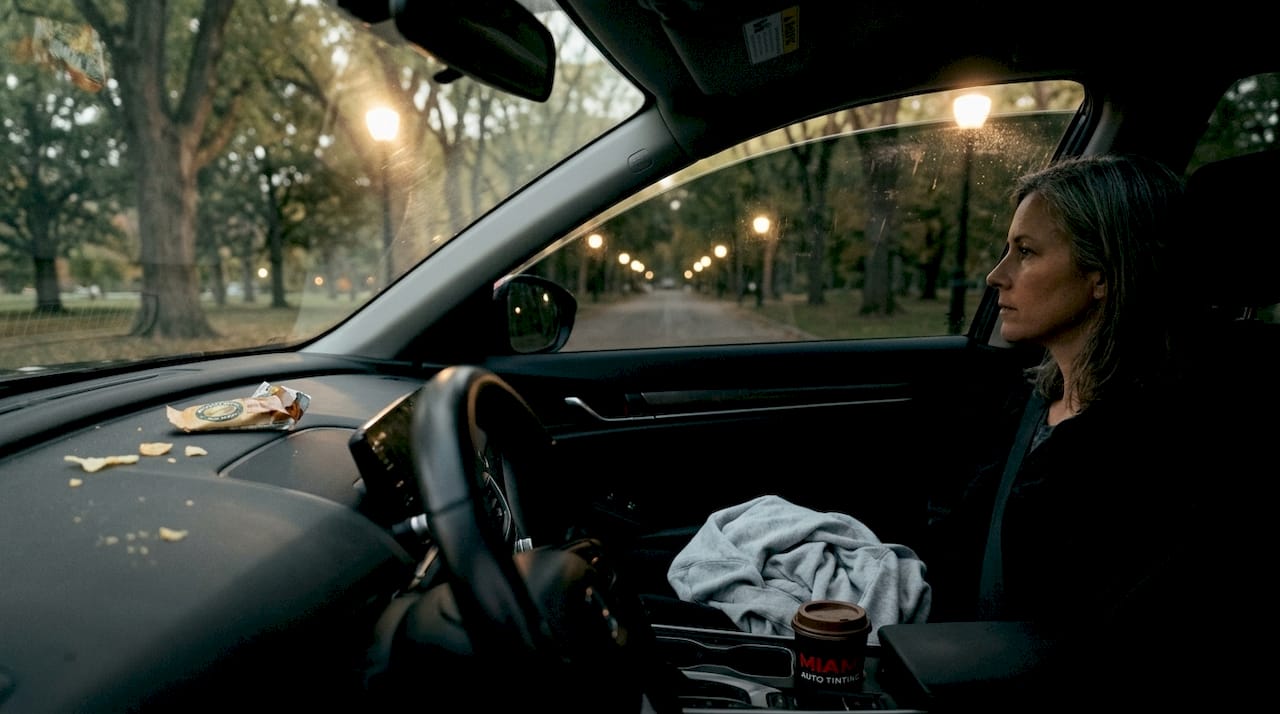
This is the most overlooked safety concern in the window tinting pros and cons discussion. Darker tint absorbs light from all sources, including headlights, streetlights, and other vehicles at night. If a film is applied at or near the legal VLT limit for your state, nighttime visibility becomes noticeably compromised. Choosing a slightly lighter shade than the legal maximum is a practical way to preserve night driving performance without sacrificing meaningful daytime heat rejection.
8. Legal risk if you choose the wrong darkness level
Many states regulate allowable VLT percentages, and the rules differ between front side windows, rear side windows, and rear windshields. Getting caught with illegal tint results in a fine, a fix-it ticket, or in some jurisdictions, a mandatory removal order. Beyond the cost of the ticket, you'd also lose whatever you spent on installation. Researching local laws before you choose a film shade is non-negotiable.
9. Warranty risks from aftermarket film
Applying aftermarket tint can void existing glass warranties, particularly when films cause thermal stress cracking. This isn't theoretical. Certain high-heat-rejection films create localized temperature differentials on the glass surface that result in cracking on some factory glazing. Check your vehicle's glass warranty documentation and confirm with your installer before choosing a film with aggressive heat rejection properties.
10. Bubbling, peeling, and DIY durability problems
Poorly installed or cheap tint films can bubble and peel within a few years, reducing both effectiveness and the vehicle's appearance. Bubbles form when adhesive fails or moisture gets trapped during installation. Once bubbling starts, the film's UV and heat rejection performance drops significantly. This problem is far more common with DIY kits and budget materials than with professionally applied films from reputable brands like 3M or Iviron Kollmax.
11. Difficult and messy tint removal
If you ever need to remove old, failing, or illegal tint, expect a time-consuming process. Residual adhesives cling stubbornly to glass and can take hours to fully remove without damaging defroster lines on rear windows. Professional removal is often necessary, adding another cost that buyers rarely factor in when they first choose a cheap film.
How different tint types and installation methods compare
| Tint type | Heat rejection | UV protection | Durability | Signal interference | Relative cost |
|---|---|---|---|---|---|
| Dyed | Low | Moderate | 3 to 5 years | None | Low |
| Metallic | Moderate | Good | 5 to 8 years | Yes | Moderate |
| Carbon | Good | Very good | 8 to 10 years | None | Moderate to high |
| Ceramic | Excellent | Up to 99% | 10 to 15+ years | None | High |
| DIY installation | Variable | Variable | Shorter | N/A | Low upfront |
| Professional installation | Consistent | Consistent | Matches film rating | N/A | Higher upfront |
The table makes the trade-offs visible in a way that's hard to argue with. Ceramic wins on every performance metric except price. Professional installation wins on every durability and warranty metric except upfront cost.
Is window tinting worth it? How to decide for your situation
Whether tinting makes sense for you depends on five specific factors. Work through them before spending money.
- Your climate. In South Florida or the desert Southwest, the heat reduction and UV benefits are measurable and immediate. In the Pacific Northwest, the return is considerably smaller. Geography should be one of your first filters.
- Your legal environment. Look up your state's VLT requirements before choosing a shade. If you drive across state lines frequently, check the strictest jurisdiction you regularly travel through.
- Your budget and patience. Cheap dyed film installed by an amateur will likely cost you more over three years than ceramic film installed professionally once. Factor in longevity, not just the initial quote.
- Your vehicle's warranty status. If your car is still under a factory warranty and includes glass coverage, confirm whether adding aftermarket film affects that coverage before proceeding.
- Your lifestyle needs. If you frequently carry passengers, transport valuables, or simply spend a lot of time in your vehicle, the privacy, comfort, and UV protection benefits of quality tint add up quickly and justify the investment.
My honest take on window tinting after years of seeing what works
I've seen hundreds of cars come through mobile tinting jobs in Miami, and the pattern is consistent. The people who regret their tinting decision almost always made one of two mistakes. They went with the cheapest film because the price looked attractive, or they skipped checking the legal limits and ended up paying to remove tint they just paid to install.
What I've learned is that the benefits of tinted windows are genuine and significant, especially in hot climates. The heat reduction alone changes how you experience your car every single day. The UV protection is something you can't see working, but it's real, and it matters more the older you get and the more time you spend behind the wheel.
My honest take: ceramic film installed professionally is worth the price difference if you plan to keep the car for more than three years. The gap between ceramic and dyed film is not marginal. It's a completely different product in terms of performance and longevity. Trends toward ceramic are not just marketing. They reflect what actually holds up in real conditions over time.
What I'd push back on is the idea that tinting is primarily a style choice. It's as much a functional upgrade as a set of better tires. Treat it that way, and the decision becomes much easier to evaluate on actual value rather than aesthetics alone.
— Jose
Get professional mobile tinting without leaving your driveway
Southmiamitint brings professional-grade window tinting directly to your location throughout Miami-Dade. No shop visits, no waiting rooms. We use 3M IR, 3M Color Stable, and Iviron Kollmax ceramic films, giving you access to the same high-performance options described throughout this article. Every installation comes with the consistency and care that makes the difference between a film that lasts a decade and one that starts peeling in year two.
If you're ready to explore your options, get a tinting quote for your vehicle and get answers from people who do this every day. We serve customers across Miami-Dade, and you can check if we cover your area on our service locations page. For those interested specifically in ceramic options, our ceramic tint service starts at $249 with mobile installation included.
FAQ
Does window tinting reduce heat inside the car?
Yes, significantly. High-performance ceramic films reduce solar heat gain by 50 to 80%, which lowers cabin temperature and reduces the demand on your air conditioning system.
What are the main disadvantages of window tinting?
The main disadvantages of window tinting include high upfront cost for quality films, potential reduction in nighttime visibility, legal risk from non-compliant darkness levels, and the possibility of voiding factory glass warranties.
Is window tinting legal everywhere?
No. Each state sets its own VLT percentage requirements, and limits differ for front side windows, rear side windows, and rear windshields. Always verify your local laws before choosing a film shade.
How long does window tint last?
Ceramic tints typically last 10 to 15 years or more. Dyed films generally last 3 to 5 years before fading, bubbling, or losing effectiveness, particularly with sun exposure in hot climates.
Is professional installation really necessary?
For most car owners, yes. Professional installation produces more consistent results, and most film warranties only apply to professionally applied tint. DIY errors like bubbling and peeling are common and expensive to correct.