
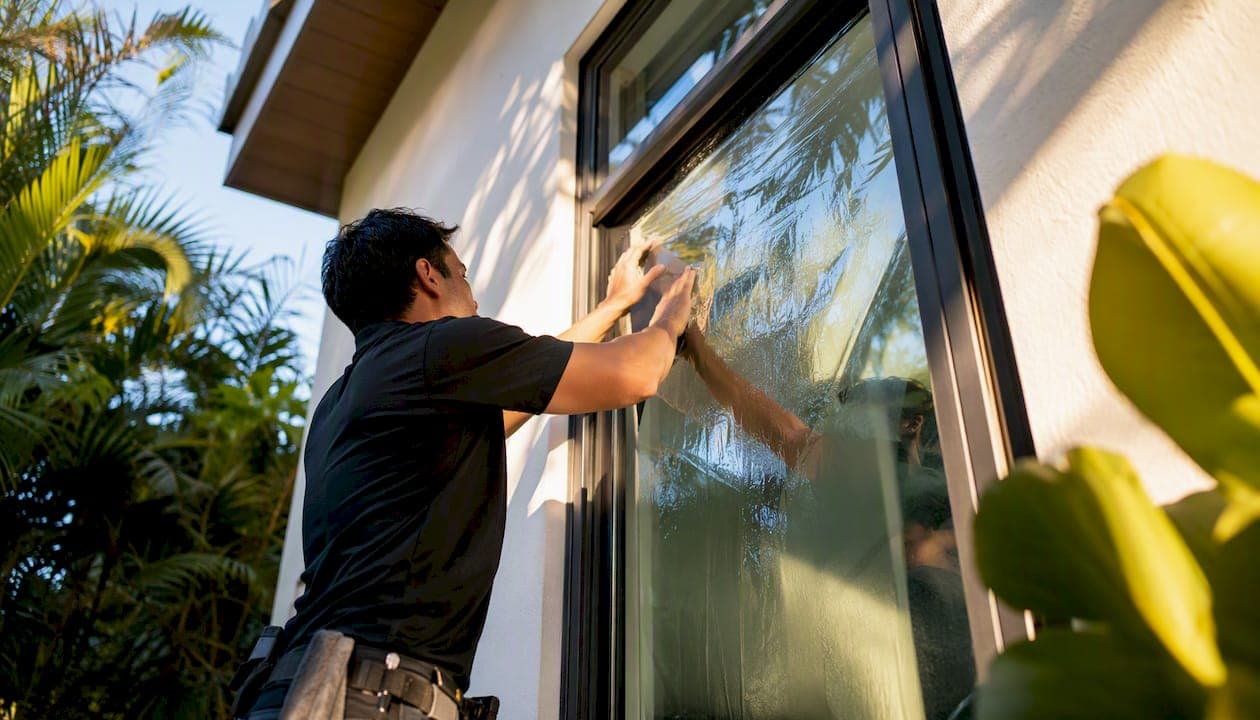
Thermal insulation tint is a thin, multi-layer film applied directly to your window glass that reduces how much heat passes through in either direction. In summer, it blocks solar heat before it enters your home. In winter, Low-E versions reflect interior heat back inside instead of letting it escape through the glass. 3M reports that some of its home window films can reduce up to 78% of the sun's heat entering through windows and block up to 99% of harmful UV rays. For most homeowners, that translates directly to a more comfortable living space and a lower HVAC bill year-round.
Key Takeaways
Thermal insulation tint is a proven, cost-effective way to reduce solar heat gain in summer and limit radiant heat loss in winter, with performance that depends heavily on film type, glass condition, and installation quality.
| Point | Details |
|---|---|
| What it is | A thin polyester film applied to glass that controls radiant heat and solar energy in both directions. |
| Performance range | Quality films can block 60–98% of infrared radiation and reduce solar heat gain by up to 70%. |
| Film type matters | Ceramic and Low-E films outperform basic metalized options for clarity, IR rejection, and winter insulation. |
| Film vs. replacement | Film works best on sound windows; failed sealed units or deteriorating frames need replacement first. |
| Southmiamitint | Installs 3M Ceramic IR, 3M Crystalline, and Iviron KoolMax with mobile service across Miami-Dade County. |
Table of Contents
- What is thermal insulation tint, and what film families will you see?
- How does thermal tint reduce heat transfer through your windows?
- What are the real benefits for your home?
- Which film type fits your home and climate?
- How do you read the specs on a film data sheet?
- What does thermal window film cost, and what savings can you expect?
- Film or new windows: which makes more sense for your home?
- What should you expect from a professional installation?
- How long do films last, and how do you clean them?
- What are the real limitations of window film?
- How to choose the right film and what to ask your installer
- What does the research actually say about winter performance?
- Get a mobile thermal film installation in Miami-Dade
- Sources
What is thermal insulation tint, and what film families will you see?
Thermal insulation tint, more precisely called insulating window film in the industry, is a polyester-based laminate bonded to the interior surface of your glass. The film changes two things: how much solar energy the glass transmits and how much radiant heat the glass emits back into the room. Depending on the chemistry, it can reflect, absorb, or re-emit energy at different wavelengths.
When you shop or review installer quotes, you will typically encounter five film families:
- Low-E (low emissivity) films: Contain a thin metallic or ceramic coating that reduces the glass's emissivity, meaning the glass radiates less heat. Best for winter heat retention.
- Ceramic films: Use non-metallic ceramic particles for strong infrared (IR) rejection with excellent visible light clarity. Products like Iviron KoolMax and 3M Ceramic IR fall here.
- Metalized films: Embed fine metal layers for strong solar reflection. Cost-effective but can interfere with cell signals and have a more reflective appearance.
- Spectrally selective films: Engineered to block heat-causing near-IR wavelengths while passing visible light. Good balance of daylight and heat control.
- Multi-layer / Thinsulate-style films: Use multiple nano-layers to improve a window's effective R-value. 3M Thinsulate (also marketed as 3M Low-E Climate Control) is the leading example; 3M Crystalline is another multi-layer option that achieves high heat rejection with very low visible tint.
Each family targets a different tradeoff. Knowing which one fits your home starts with understanding how the film actually does its job.
How does thermal tint reduce heat transfer through your windows?
Three physical mechanisms work together. First, spectral reflection: the film's metallic or ceramic layers bounce a portion of incoming solar infrared radiation back before it enters the glass. Second, absorption and outward dissipation: some solar energy is absorbed by the film itself and re-emitted outward rather than inward, so less heat reaches your interior. Third, low emissivity: on Low-E films, the coating lowers the glass surface's emissivity so that interior radiant heat is reflected back into the room instead of radiating out through the glass on cold nights.
Picture it this way: sunlight hits your window from outside, carrying visible light, near-infrared heat, and UV radiation. The film intercepts the near-IR and UV components, either reflecting them back or absorbing and venting them outward. On the interior side, the same film acts like a thermal mirror, keeping the warmth you paid to generate inside the room.
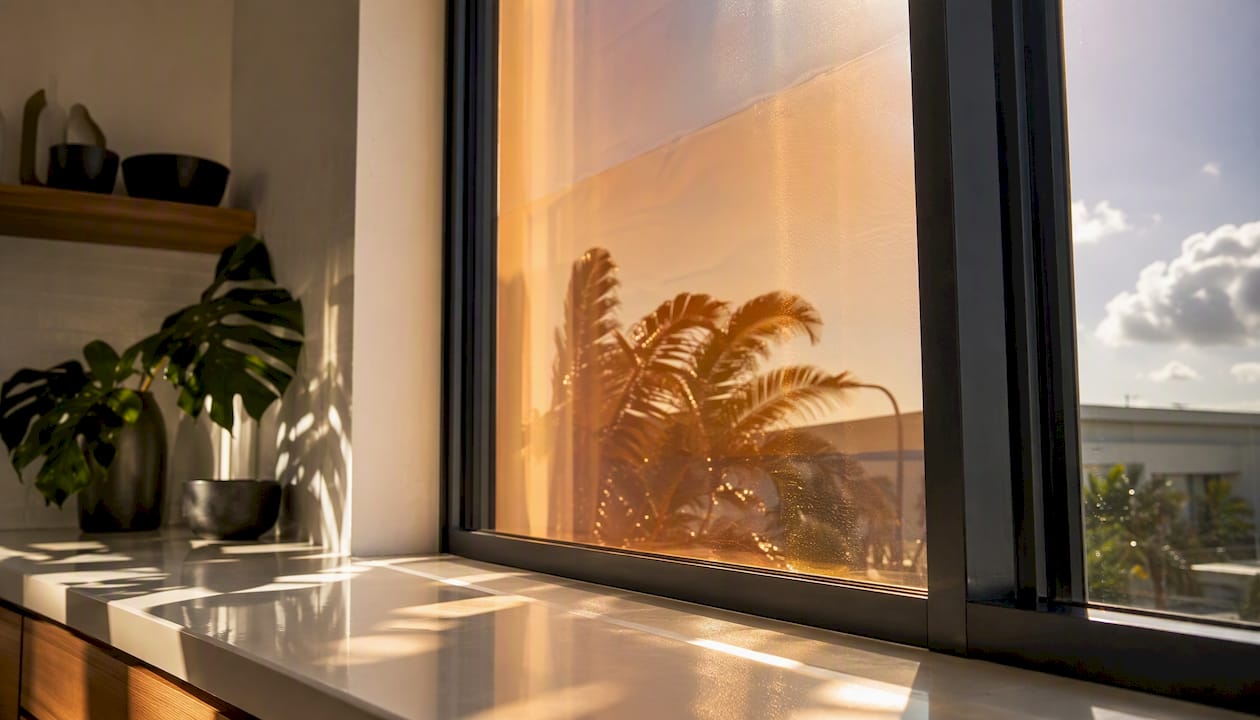
Industry and installer sources report that high-performance films can block roughly 60–98% of infrared radiation, with ceramic films typically at the higher end of that range.
Pro Tip: Film is almost always applied to the interior surface of the glass. For single-pane windows, this placement is straightforward. For double-pane units, confirm with your installer that the existing factory Low-E coating on the glass is compatible before any film is applied, since some coatings can trap heat in the sealed unit and cause thermal stress cracking.
What are the real benefits for your home?
The core payoff is year-round comfort with a lower HVAC load. In summer, the film cuts the solar heat gain that forces your air conditioner to work harder. In winter, Low-E films reduce the radiant heat loss that makes rooms near large windows feel cold even when the thermostat is set correctly.
Here is how those benefits break down in practical terms:
- Summer heat rejection: Less solar heat entering means your AC runs fewer cycles. The U.S. Department of Energy notes that heating and cooling account for roughly 50–70% of the energy used in the average American home, so any reduction in solar gain has a measurable impact.
- Winter heat retention: Low-E films reflect interior heat back into the room, reducing the cold-glass radiant effect that makes occupants feel uncomfortable near windows.
- UV protection: Blocking up to 99% of UV radiation protects furniture, flooring, and fabrics from fading. This is one of the most consistent benefits across all film types.
- Glare reduction: Spectrally selective and ceramic films cut glare without darkening the room significantly, which is useful for home offices and living rooms with screens.
- Safety value: Many films hold glass fragments together if a window breaks, adding a secondary safety benefit.
- Preserved views: Unlike heavy drapes or exterior awnings, film keeps your view open while still controlling heat and light.
Which film type fits your home and climate?
Different film chemistries emphasize different tradeoffs between cost, visible light, IR rejection, and durability. Here is a practical breakdown:
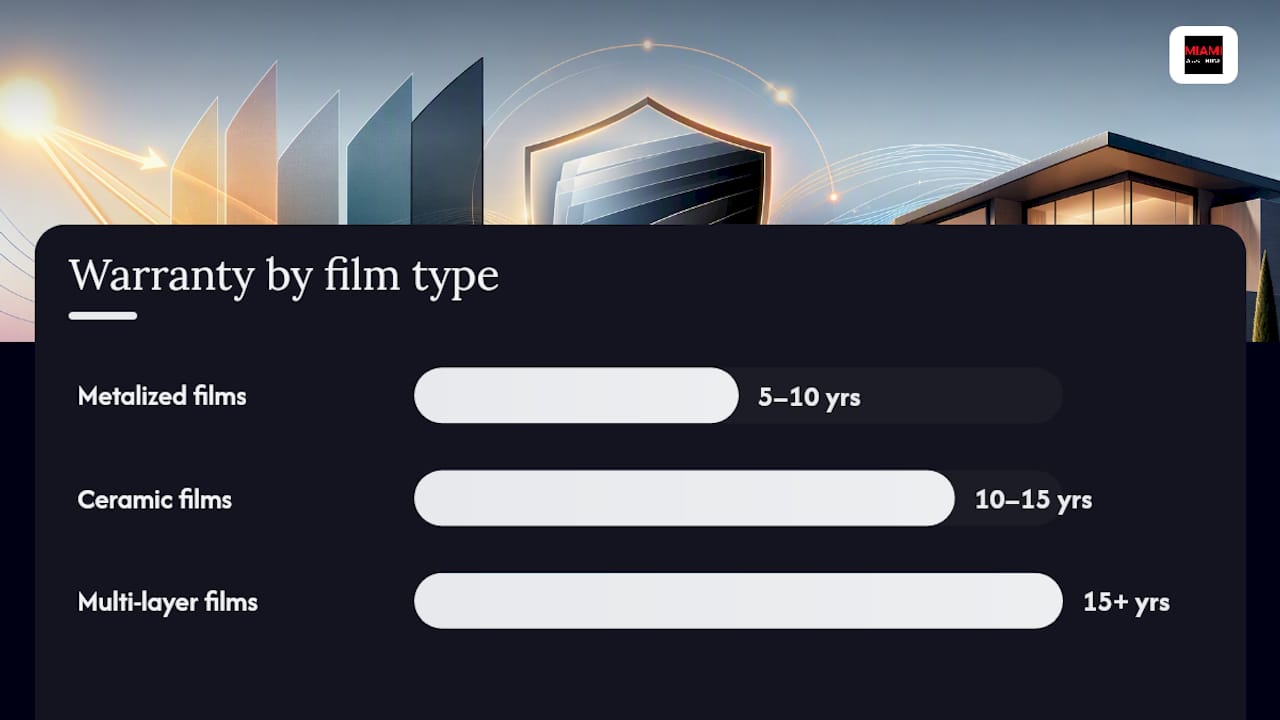
- Metalized films: The most affordable entry point. Strong IR reflection but a noticeably reflective exterior appearance. Can interfere with Wi-Fi and cellular signals. Warranties typically run 5–10 years.
- Ceramic films (e.g., Iviron KoolMax, 3M Ceramic IR): Top-tier IR rejection (up to 98% in some specs) with good visible light transmission and no signal interference. More expensive than metalized but the preferred choice for homeowners who want clarity and performance. Warranties often reach 10–15 years.
- Low-E films (e.g., 3M Thinsulate): Specifically engineered for emissivity reduction. Best for homes in mixed or cold climates where winter heat retention matters as much as summer cooling. Can improve a single-pane window's effective U-value meaningfully.
- Spectrally selective films: Excellent for rooms where you want maximum daylight with minimum heat gain. Higher visible light transmission than standard tinted films. Mid-to-upper price range.
- Multi-layer / 3M Crystalline: Very high heat rejection with near-clear appearance. Premium price, but the right choice when aesthetics and performance both matter. Lifespan commonly cited at 15+ years.
Budget-wise, entry-level metalized films cost less per square foot installed, while premium ceramic and multi-layer options sit at the higher end. You can review 3M's residential film options to see how the product tiers compare in practice.
How do you read the specs on a film data sheet?
Five numbers tell you almost everything about how a film will perform. Understanding them lets you compare quotes and hold installers accountable.
A Low-E film that drops emissivity from 0.84 (standard single-pane glass) toward 0.20 meaningfully reduces how much interior heat radiates out on cold nights. For a deeper look at interpreting these numbers, the thermal performance guide breaks down real spec-sheet examples.
Understanding VLT and tint percentage choices is especially useful when balancing privacy needs against daylight preferences.
What does thermal window film cost, and what savings can you expect?
Professionally installed residential window film typically runs $5–$15 per square foot depending on film grade, window size, and project complexity. A standard home with 10–15 windows might see a total installed cost ranging from $500 to $2,500 or more for premium films.
On the savings side, manufacturer and installer sources report that properly fitted thermal films can cut heat loss through windows by up to about 40% and reduce solar heat gain in some cases by as much as 70%. Your actual savings depend on several factors:
- Window area and orientation: South- and west-facing windows in a hot climate yield the fastest payback.
- Climate: Homes in high-sun regions like Miami-Dade see stronger summer savings; mixed climates benefit from Low-E films year-round.
- HVAC efficiency: A newer, efficient system still benefits from reduced load; an older system may show more dramatic bill reductions.
- Film performance tier: Higher-spec ceramic and multi-layer films cost more upfront but deliver greater heat rejection.
- Installation quality: Poorly fitted film with gaps or bubbles underperforms its rated specs.
For Miami-area homeowners, the local climate context makes the ROI case particularly strong given the near-constant solar load.
Film or new windows: which makes more sense for your home?
Film is a cost-effective retrofit for most homes, but it is not always the right answer. The decision comes down to your windows' current condition and your performance goals.
Film is the stronger choice when:
- Your windows are structurally sound but single-pane or older double-pane with high solar gain
- Budget limits a full window replacement
- You want to preserve natural light without adding drapes or blinds
- The primary problem is radiant heat or UV exposure, not conductive loss through frames
Window replacement makes more sense when:
- Sealed double-pane units have failed (fogging between panes means the insulating gas is gone)
- Frames are deteriorating and contributing significantly to air infiltration
- You need a major improvement in whole-window U-value that film alone cannot achieve
- You are doing a full renovation where replacement cost is absorbed into a larger project
Pro Tip: You do not have to choose one or the other across the whole house. A practical approach is to replace the worst-performing windows (typically north-facing single-panes or failed sealed units) and apply high-performance film to the remaining sound windows. This hybrid strategy often delivers the best performance per dollar spent.
What should you expect from a professional installation?
A professional install for a typical home takes a few hours to a full day, depending on the number of windows and film type. The risk of bubbling, peeling, and edge lifting drops significantly with professional application compared to DIY.
Here is what a standard professional process looks like:
- Site prep: Windows are cleaned thoroughly with a lint-free solution. Any dust, grease, or residue causes adhesion failures.
- Film cutting: Film is cut to size with a small overlap, then trimmed precisely after application.
- Application: A slip solution is applied to the glass, the film is positioned, and a squeegee removes moisture and air pockets.
- Edge sealing: Edges are trimmed flush and sealed to prevent peeling.
- Cure time: Most films take 30–60 days to fully cure. During this period, minor haziness or small water pockets are normal and will clear.
Warranties on quality films typically cover delamination, bubbling, peeling, and color change for 10–15 years. Voiding conditions usually include abrasive cleaning, ammonia-based cleaners, and damage from aftermarket adhesives.
Common cost drivers include large or irregularly shaped windows, multi-pane units, high-floor access requirements, and premium film grades.
How long do films last, and how do you clean them?
Most quality residential films last 10–20 years with minimal maintenance. The biggest threats to film life are harsh cleaning chemicals, abrasive tools, and prolonged exposure to direct sun on south-facing glass without adequate UV stabilizers in the film itself.
Do:
- Clean with a soft cloth or rubber squeegee and a mild, ammonia-free soap solution
- Wait at least 30 days after installation before cleaning
- Use gentle, straight strokes rather than circular scrubbing
Avoid:
- Ammonia-based glass cleaners (they degrade the adhesive layer)
- Abrasive pads or paper towels
- Razor blades or sharp tools near edges
Films installed in high-sun climates or on south-facing glass may reach the lower end of the lifespan range. Proper installation and quality film from a reputable manufacturer are the two factors most within your control.
What are the real limitations of window film?
Film reduces radiative heat transfer and solar gain effectively, but it will not fix every thermal problem in your home. The most common unmet expectation: homeowners apply film to windows with failed sealed units or deteriorating frames and see minimal improvement, because the dominant heat loss path is conductive and convective through those failures, not radiative through the glass.
Watch for these red flags before committing to film:
- Fogged or cloudy double-pane glass: The sealed unit has failed. Film will not restore the lost insulating gas layer.
- Factory Low-E coatings on existing glass: Some coated glass is incompatible with certain films. Applying film to a hard-coat Low-E surface can cause thermal stress cracking. Always confirm compatibility.
- Tempered or laminated glass: Most films are compatible, but verify with the installer and manufacturer spec sheet.
- Historic or regulated glass: Some jurisdictions restrict visible changes to window appearance on historic properties. Check local rules before installation.
- Sensor interference: Certain films can affect infrared-based security sensors or remote-start systems if applied to the wrong surfaces.
Film is a strong tool for radiant and solar heat control. It is not a substitute for fixing broken seals, repairing frames, or adding bulk insulation to walls.
How to choose the right film and what to ask your installer
Start with a short decision checklist before you call anyone:
- What is my primary goal: summer cooling, winter heat retention, UV protection, or all three?
- Are my windows single-pane, double-pane, or do they already have a factory Low-E coating?
- What is my budget per window, and do I need a warranty longer than 10 years?
- Do I have any historic, tempered, or specialty glass that needs compatibility verification?
Once you have those answers, ask every installer these specific questions:
- What is the SHGC and % solar heat rejection for the film you are recommending?
- What is the VLT, and how will it affect daylight in the room?
- What is the UV rejection percentage?
- Does this film have a Low-E coating, and what emissivity value does it achieve?
- What does the manufacturer warranty cover, and for how long?
- Can you show me a physical sample or demo panel?
- How do you handle edge sealing, and what adhesive system does the film use?
- Will you leave installation records and manufacturer stickers for warranty claims?
Red flags: no lab data or spec sheet available, vague warranty language, no physical sample, and pressure to decide before seeing specs.
What does the research actually say about winter performance?
The biggest misconception about thermal window film is that it only helps in summer. Low-E and Thinsulate-style films can meaningfully improve a window's effective thermal performance in winter by reducing the glass surface's emissivity, which limits how much interior radiant heat escapes outward.
Low-E films are specifically designed to reduce emissivity and help retain indoor heat. By reflecting interior heat back into the room, they act as an extra insulating layer during cold months, making them a practical retrofit when replacing windows is not economical. (Film Systems)
That said, film does not fully replicate the U-value of a new double-glazed unit with a factory Low-E coating and an argon-filled cavity. For a single-pane window, adding a quality Low-E film can bring the effective insulation meaningfully closer to double-pane performance. For a double-pane unit with a failed seal, the film adds almost nothing because the thermal gap is already compromised.
Pro Tip: Before installing film on any double-pane window for winter performance, check the sealed unit for fogging on a cold morning. If you see condensation between the panes, replace the unit first. Film on a failed sealed unit is money spent on the wrong problem.
When Southmiamitint recommends thermal tint for your home
From our experience installing premium films across Miami-Dade, the homes that see the clearest results are those with sound single-pane or older double-pane windows where solar gain is the dominant comfort problem. In South Florida's climate, that describes a large share of the housing stock. Ceramic and Low-E films consistently deliver noticeable cooling load reductions, and customers frequently report that rooms that were previously unusable in the afternoon become comfortable without changing the thermostat setting.
Southmiamitint installs 3M Ceramic IR, 3M Crystalline, and Iviron KoolMax ceramic films, all of which carry manufacturer-backed warranties and published spec sheets you can verify. Mobile installation means we come to your home or property, no drop-off required.
Get a mobile thermal film installation in Miami-Dade
Southmiamitint brings professional window film installation directly to your home or commercial property anywhere in Miami-Dade County. No need to schedule around a shop's hours or transport anything.

The film options available include 3M Ceramic IR, 3M Crystalline, and Iviron KoolMax ceramic tint, covering the full range from budget-conscious heat rejection to premium multi-layer insulation performance. Every installation includes a manufacturer spec sheet, warranty documentation, and a thorough site prep process that prevents the bubbling and peeling common with DIY or low-quality installs.
To get started, request a quote for ceramic window tint and a Southmiamitint technician will assess your windows, recommend the right film for your goals and glass type, and complete the install at your location.
Sources
These are the primary sources cited in this article. Each one is worth bookmarking if you want to verify technical claims or read full manufacturer data.
- Home Window Films for Temperature Control | 3M United States
- Energy
- How Thermal Insulation Film Can Keep Your Home Warm in Winter and Cool in Summer
- Solar Window Film: Winter Insulation Benefits | Film Systems