
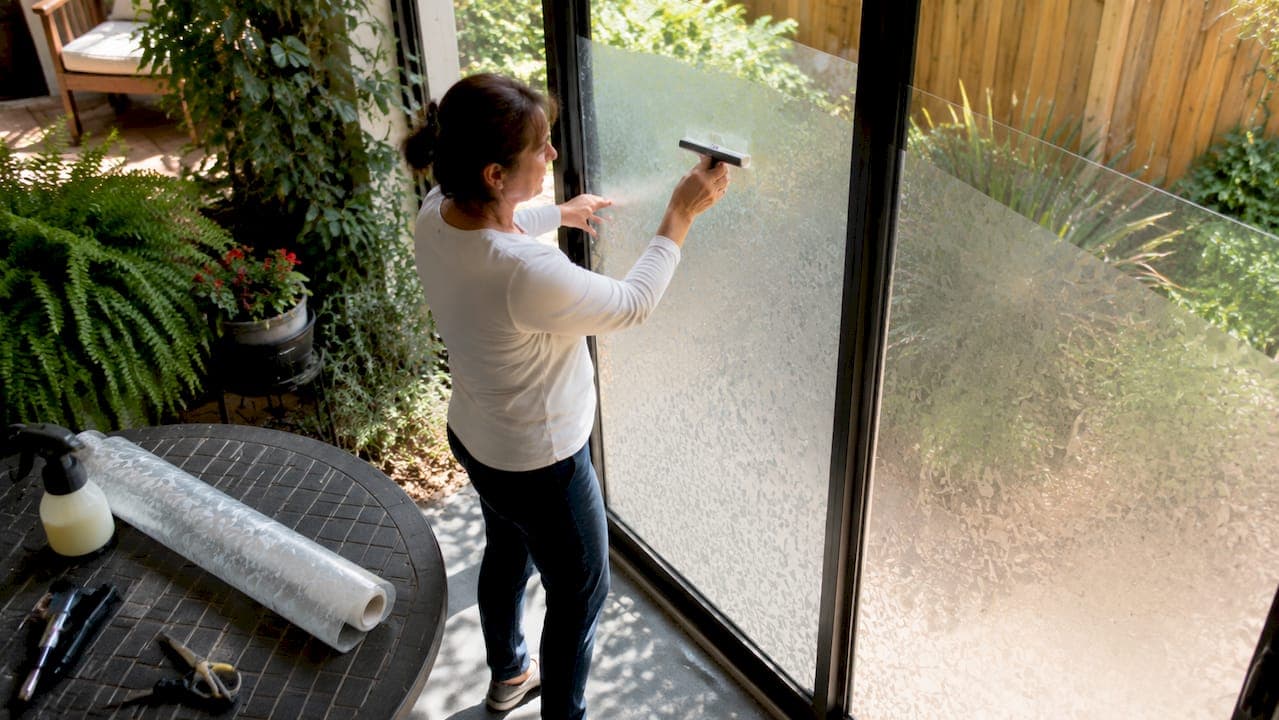
Decorative tint film is defined as a thin polyester (PET) or vinyl (PVC) layer applied directly to glass surfaces to change their appearance, privacy level, and light quality without replacing the glass itself. The film is constructed with three layers: a substrate layer, a decorative pattern layer, and either an adhesive or static cling backing. Homeowners and renters use decorative window tint to create frosted bathroom windows, stylish office partitions, and patterned living room glass at a fraction of the cost of etched or sandblasted alternatives. Southmiamitint installs professional-grade decorative films for residential properties across Miami-Dade, using films that deliver a clean, lasting finish.
What is decorative tint film and why does it matter?
Decorative tint film is the industry's standard term for any window film applied primarily for aesthetic or privacy purposes rather than heat rejection alone. The film sits on the interior glass surface and alters how light passes through, how much of the interior is visible from outside, and how the window looks from both sides. Unlike frosted glass, which is permanent and expensive to replace, decorative film can be swapped out when your style changes or when you move out of a rental.
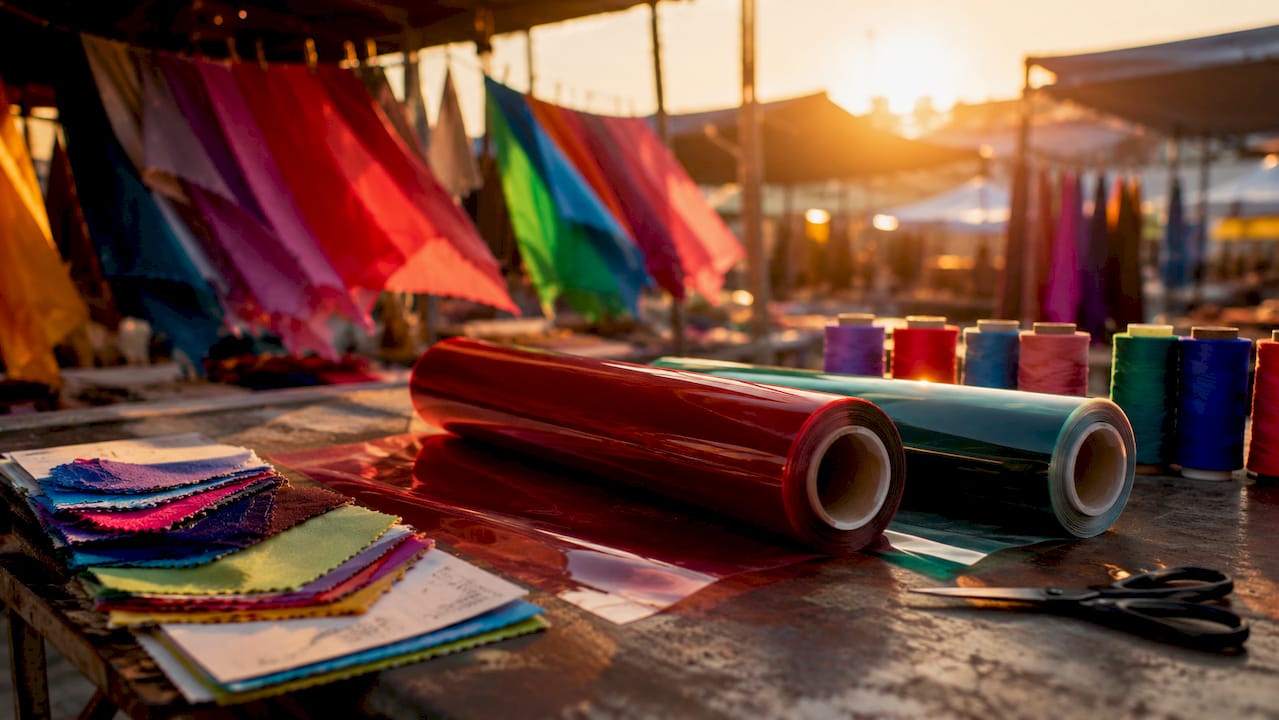
The material matters. Polyester films are more durable and dimensionally stable, making them the preferred choice for long-term residential installations. Vinyl films are softer and easier to cut into custom shapes, which makes them popular for decorative accents and temporary applications. Both materials provide privacy and design options that heavy curtains cannot match, since curtains block light entirely while decorative film lets diffused natural light flow through.
What are the key benefits of decorative tint film for homeowners and renters?
Decorative film delivers four core benefits that make it worth considering over other window treatment options.
- Privacy without darkness. Frosted and etched-style films obscure direct views into a room while still allowing natural light to enter. You get a bright, open feel without exposing your interior to neighbors or passersby.
- Design flexibility. Films come in geometric patterns, floral motifs, simulated stained glass, and solid frosted finishes. You can match a film to your existing décor or use it as a focal design element.
- Cost savings. Decorative film costs a fraction of sandblasted or acid-etched glass. Professional installation lasts for years with warranties against peeling or fading, making it a durable investment.
- Glare and UV reduction. Decorative films block glare and provide UV protection, reducing interior heat buildup and protecting furniture from fading. The level of protection varies by film type, but most films outperform bare glass on both counts.
- Renter-friendly removability. Static cling films leave no residue and require no solvents to remove. That makes them a practical choice for anyone in a rental property who cannot make permanent modifications.
Pro Tip: Before committing to a full window installation, buy a small sample of your chosen film and tape it to the glass for a few days. You will see exactly how it looks in your home's specific light conditions before spending a dollar on full coverage.
Durability is a real advantage of professionally installed films. Retail peel-and-stick films from hardware stores often yellow or peel within a year or two. Professional-grade decorative films outperform DIY retail options in clarity, durability, and bubble-free application, which is why the finish looks noticeably better and lasts significantly longer.
What types of decorative tint films are available?
The range of film styles available in 2026 is wider than most homeowners realize. Each type serves a different combination of privacy need and aesthetic goal.
Frosted and etched films
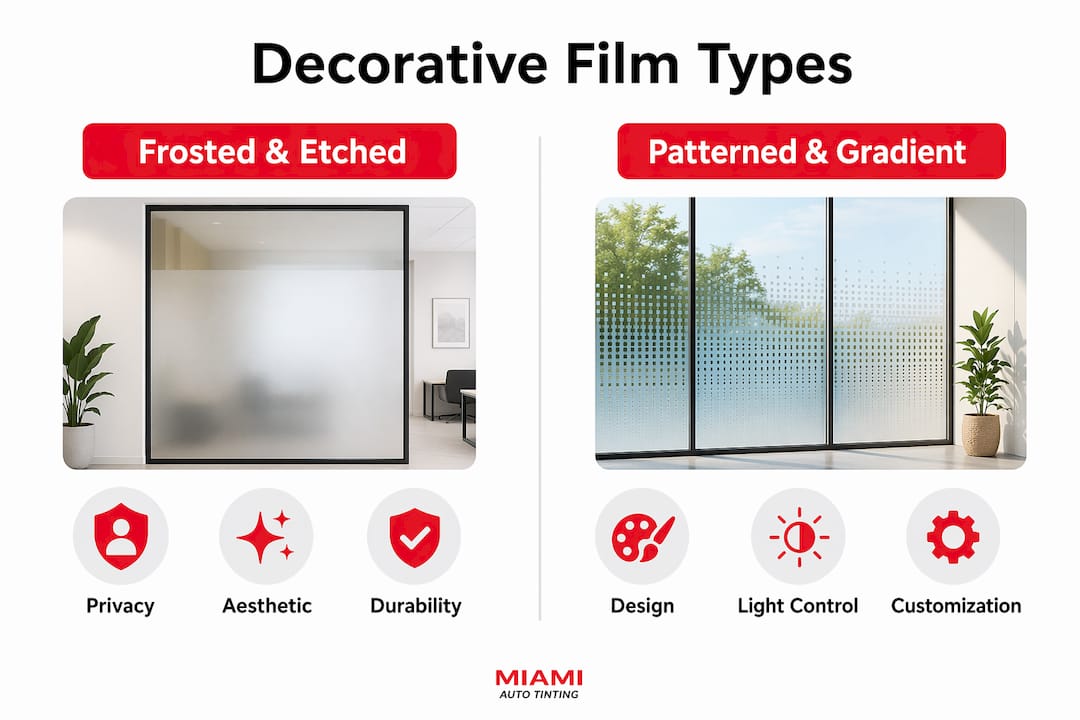
Frosted film is the most popular style for residential use. It mimics the look of sandblasted glass and works well on bathroom windows, shower enclosures, and front door sidelights. Etched-style films add fine line patterns that simulate the look of hand-cut glass at a much lower cost.
Patterned, gradient, and stained glass films
Patterned films use geometric or organic designs printed directly onto the film layer. Gradient films transition from opaque at the bottom to clear at the top, giving partial privacy while keeping an open sightline above. Stained glass-effect films use translucent colors to create decorative light effects that shift with the sun throughout the day.
Static cling vs. adhesive films
This distinction matters most for renters. Static cling films adhere through electrostatic attraction rather than glue. They can be repositioned, removed, and reapplied without any residue or damage to the glass. Adhesive films bond more firmly and last longer, but removal requires solvents or heat and carries a small risk of leaving residue. For owned properties, adhesive films are the better long-term choice. For rentals, static cling is the clear winner.
| Film type | Privacy level | Removability | Best use |
|---|---|---|---|
| Frosted adhesive | Semi-private to opaque | Requires solvent | Bathrooms, permanent installs |
| Frosted static cling | Semi-private | Residue-free | Rentals, temporary use |
| Patterned adhesive | Varies by design | Requires solvent | Living rooms, office glass |
| Gradient film | Partial (lower half) | Requires solvent | Kitchen windows, front doors |
| Stained glass effect | Low to semi-private | Varies | Decorative accent windows |
Popular styles include frosted, etched, gradient, and custom-printed designs, with privacy levels ranging from semi-private to fully opaque. A typical residential installation completes in a single session, which means minimal disruption to your day.
How is decorative tint film applied?
Proper application separates a film that looks professional from one that bubbles and peels within months. The process is straightforward, but each step requires attention.
- Clean the glass thoroughly. Remove all dust, oils, and fingerprints with a lint-free cloth and a streak-free glass cleaner. Surface cleanliness is critical because even microscopic dust particles cause permanent bubbles under the film.
- Mix a slip solution. Combine a few drops of mild dish soap with water in a spray bottle. This solution lets you slide the film into position before the adhesive sets.
- Cut the film to size. Measure the glass and cut the film about half an inch larger on each side. You will trim the excess after the film is positioned.
- Wet the glass and peel the film. Spray the glass surface generously, then peel the film backing and spray the adhesive side lightly as well. This keeps the film from sticking prematurely.
- Position and squeegee. Lay the film onto the wet glass and use a squeegee or credit card to push air and water out from the center toward the edges. Work slowly and methodically.
- Trim and dry. Use a sharp utility knife and a straight edge to trim the film flush with the frame. Allow the film to cure for 24–72 hours before cleaning it.
Pro Tip: Work in a cool, shaded room when installing adhesive film. Direct sunlight speeds up the adhesive set time and makes repositioning much harder. Early morning installation in a south-facing room gives you the most working time.
For DIY guidance on applying tint films, installation tips from professionals cover common mistakes and surface prep in detail. That said, professional installation eliminates the risk of bubbles, misalignment, and wasted film, especially on large or unusually shaped windows.
What practical factors affect privacy and aesthetics?
Choosing the right film is only half the equation. Where you place it and how your home's lighting works with it determines whether the film actually delivers the privacy you expect.
- Lighting differential is the biggest variable. Frosted film provides excellent privacy during the day when outside is brighter than inside. At night, bright interior lighting can project silhouettes through even a frosted film, reducing its effectiveness. Pairing the film with interior lighting control, such as dimmer switches or directional lamps, solves this problem.
- Room orientation changes everything. A north-facing window receives softer, more diffused light all day. A west-facing window gets intense afternoon sun. The same film looks and performs differently on each. Test a sample swatch in the actual window before buying full coverage.
- Opacity level should match the room's purpose. A bathroom needs near-opaque coverage. A home office benefits from semi-frosted film that reduces glare without making the room feel closed in. A living room accent window can use a decorative patterned film with lower opacity for visual interest without sacrificing brightness.
- Seasonal flexibility matters for renters. Static cling films can be swapped out seasonally. A stained glass-effect film in winter adds warmth and color. A lighter frosted film in summer keeps the room bright without overheating.
- Test before you commit. Testing a sample swatch in actual lighting conditions before full installation is the single most effective way to avoid a costly mistake.
Design experts consistently note that decorative films maintain natural light while providing privacy and creative expression, which is why interior designers treat them as flexible design tools rather than permanent architectural features. That framing is useful. Think of decorative film the way you think of paint color: it shapes the feel of a room, it can be changed, and getting it right makes a real difference.
Key Takeaways
Decorative tint film is the most cost-effective way to add privacy and style to residential glass without replacing it or blocking natural light.
| Point | Details |
|---|---|
| Film construction | Polyester or vinyl layers with adhesive or static cling backing applied directly to glass. |
| Privacy and light | Frosted and patterned films obscure views while allowing natural light to pass through. |
| Renter-friendly option | Static cling films remove without residue or solvents, making them ideal for rental properties. |
| Lighting affects privacy | Interior brightness at night can reduce film effectiveness; pair with dimmer switches for best results. |
| Professional installation | Pro-grade films outperform retail options in clarity and durability, with warranty-backed results. |
What I've learned after years of watching homeowners get this wrong
Most homeowners treat decorative film as a last resort. They try curtains, then blinds, then shutters, and finally land on film when nothing else works. That is the wrong order. Film should be the first option you consider for any glass surface where you want both light and privacy, not the fallback after everything else has failed.
The biggest mistake I see is choosing a film based on how it looks in a store display or a product photo. Glass in a showroom is lit from behind under controlled conditions. Your bathroom window at 10:00 PM with the overhead light on is a completely different situation. Always test a sample first. Always.
For renters, the static cling category is genuinely underused. People assume that "temporary" means "cheap-looking," but that is not true of quality static cling films. A well-chosen static cling frosted film on a bathroom window looks identical to an adhesive film and comes off cleanly when you move out. That is a real advantage that most renters overlook.
My honest advice: if you are covering more than two windows or working with an unusual shape, hire a professional. The film cost is the same. The labor cost is modest. The difference in the finished result is significant. Bubbles, lifting edges, and misaligned patterns are hard to fix once the adhesive sets, and they make an otherwise good film look like a DIY project gone wrong.
— Jose
Southmiamitint's professional decorative film services
Southmiamitint brings professional-grade decorative and privacy film installation directly to your home across Miami-Dade. You get access to premium film options not available in retail stores, applied by experienced technicians who prep the glass correctly and deliver a bubble-free finish the first time.

Southmiamitint works with residential and rental properties, and the team understands the specific needs of renters who need removable solutions alongside homeowners who want a permanent, warranted result. Whether you are looking for a frosted bathroom window or a full decorative treatment for a living room partition, explore premium film options and book a mobile installation at your location. For ceramic-grade performance on residential glass, mobile ceramic tint service is also available starting from $249.
FAQ
What is decorative tint film made of?
Decorative tint film is made of polyester (PET) or vinyl (PVC) with a decorative pattern layer and either an adhesive or static cling backing applied to the glass surface.
Does frosted window film provide full privacy at night?
Frosted film reduces visibility during the day, but bright interior lighting at night can project silhouettes through the film. Pairing it with dimmer switches or directional lighting improves nighttime privacy.
Can renters use decorative window film?
Static cling decorative films are ideal for renters because they leave no residue and can be removed without solvents or heat, causing no damage to the glass.
How long does decorative film installation take?
A typical residential installation completes in a single session. Curing time for adhesive films runs 24–72 hours before the surface should be cleaned.
Is professional installation worth it for decorative film?
Professional-grade films outperform retail options in clarity and durability. Professional installation eliminates bubbles and misalignment, and most professional installations come with a warranty against peeling or fading.