
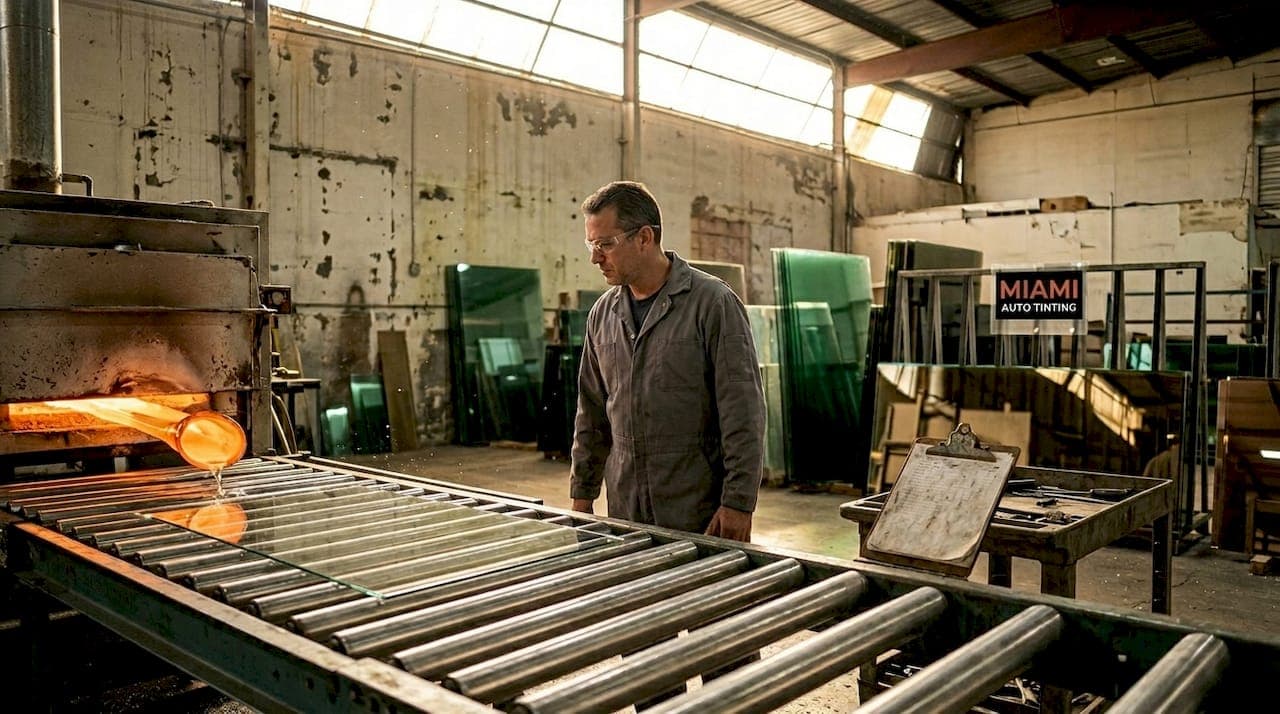
Most people assume tinted glass is just a dark film stuck to a window. That assumption leads to bad buying decisions, disappointed expectations, and money wasted on the wrong product. What is tinted glass, really? It is glass with color permanently built into its structure during manufacturing, not something applied afterward. Understanding this distinction matters whether you are shopping for a new car, upgrading your home, or specifying windows for a commercial build. This article breaks down how tinted glass works, what types exist, and where each one makes the most sense.
Table of Contents
- Key takeaways
- What tinted glass actually is
- Types of tinted glass you should know
- Tinted glass benefits across applications
- Choosing and installing the right tinted glass
- Tinted glass vs window film: a direct comparison
- My take on what most people get wrong
- Get professional tinted glass service in Miami
- FAQ
Key takeaways
| Point | Details |
|---|---|
| Tint is permanent in the glass | Body-tinted glass uses metal oxides added during production, so the color never peels or fades. |
| Films and tinted glass are different | Window films are removable surface applications; tinted glass is a manufactured product with embedded color. |
| Performance metrics matter most | Choose tinted glass based on SHGC and visible light transmission, not just how dark it looks. |
| Smart glass is a growing option | Electrochromic and switchable glass adjusts tint dynamically, adding energy and privacy benefits. |
| Application drives the right choice | Automotive, residential, and commercial uses each require different tint types, specs, and legal considerations. |
What tinted glass actually is
Tinted glass is manufactured with its color embedded directly into the glass during production. Manufacturers add metal oxides to the molten glass batch before it solidifies, which gives the final product a consistent color throughout its entire thickness. Common metal oxides include iron oxide for green or blue tones, cobalt for deep blue, and selenium for bronze. The result is a product where the tint is not a coating. It is the glass itself.
This matters because the color cannot be scratched off, peeled away, or degraded by UV exposure over time. The tint is uniform from edge to edge. Cut the glass in half and both pieces are equally tinted all the way through.
Window films are fundamentally different. They are thin laminate plastic layers applied directly to existing glass surfaces after installation. Films can achieve impressive performance, but they are surface applications. Over years of heat cycling and exposure, they can peel, bubble, and discolor. Tinted glass never does any of that.
How does the tint do its job? Metal oxides absorb solar energy as it passes through the glass. Some of that heat is then re-radiated outward rather than passing into the room or vehicle cabin. This is called solar heat absorption, and it is one of the primary tinted glass benefits for hot climates.
Pro Tip: If you press your fingernail against a window and the tint appears to be on the surface rather than throughout the glass, you are looking at a film, not body-tinted glass.
The key practical difference between tinted glass vs clear glass comes down to two things: solar heat reduction and visible light control. Clear glass transmits most of the solar spectrum. Tinted glass filters a portion of it, reducing glare and interior heat buildup without necessarily making a room feel dark.
Types of tinted glass you should know
Not all tinted glass works the same way. The category breaks into two broad families: static body-tinted glass and dynamic switchable glass.
| Type | How it works | Best for |
|---|---|---|
| Static body-tinted float glass | Metal oxides embedded during manufacturing; color is fixed | Residential windows, automotive OEM glass, commercial facades |
| Heat-absorbing tinted glass | High iron oxide content that absorbs more solar energy | Hot climates with strong direct sun exposure |
| Electrochromic (switchable) glass | Voltage applied to change tint level on demand | High-end commercial buildings, smart homes |
| Thermochromic glass | Tint adjusts based on temperature change | Passive solar management without controls |
Static body-tinted float glass is the standard product most people encounter. It comes in common colors like gray, bronze, green, and blue. Each color absorbs solar energy differently, and each transmits a different portion of visible light. Gray tinted glass, for example, reduces light without shifting color perception. Bronze tint reduces glare while giving interiors a warmer tone.
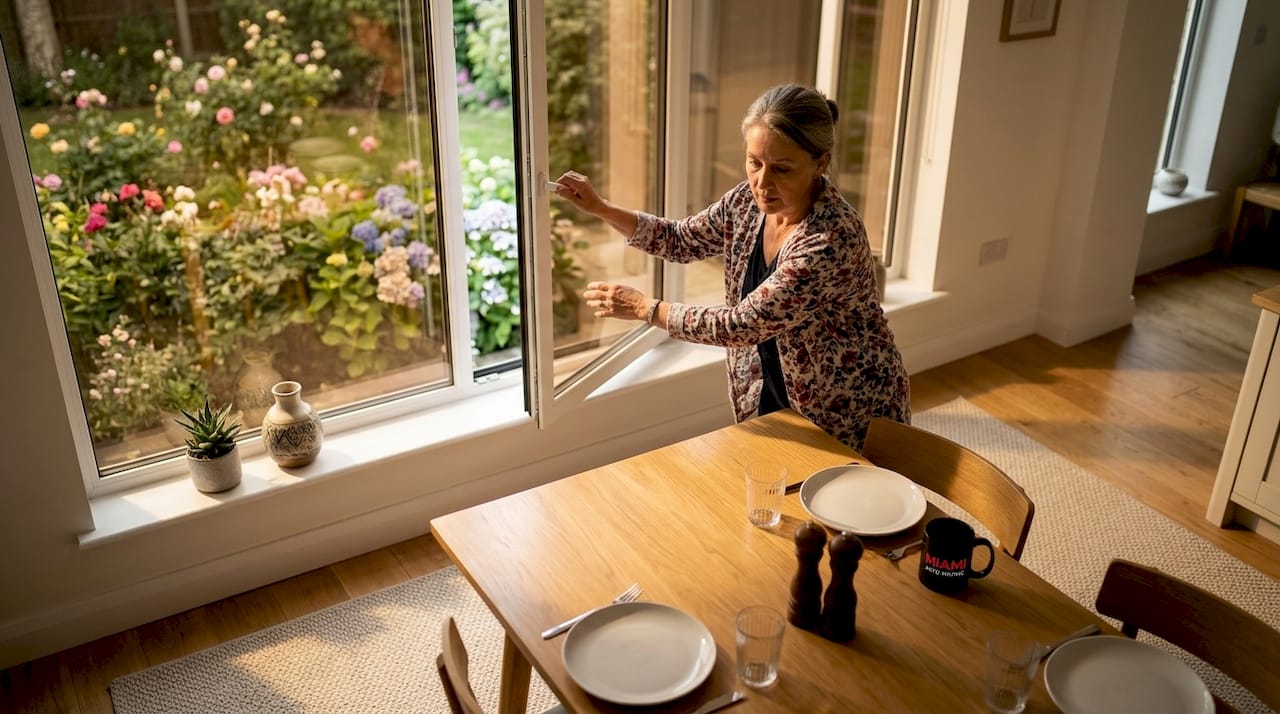
Electrochromic or switchable glazing takes tinted glass into a completely different category. These windows darken in response to an electric voltage, which means the occupant controls how much light enters at any given time. No blinds required. The tint adjusts in minutes and can reduce glare and solar heat gain dynamically throughout the day. Some advanced versions even integrate photovoltaic elements, combining tint control with solar energy generation for buildings pursuing net-zero goals.
Pro Tip: Electrochromic glass is still significantly more expensive than static tinted glass. For most residential and automotive applications, high-quality ceramic window films achieve comparable heat rejection at a fraction of the cost.
Thermochromic glass shifts tint automatically in response to temperature rather than voltage. It requires no electrical connection, which makes it simpler to install. The tradeoff is that you cannot manually override it. On a cold but bright day, the glass may stay clear even when glare is a problem.
Tinted glass benefits across applications
The benefits of tinted glass shift depending on where and how you use it. The core advantages — solar heat rejection, UV protection, glare reduction, and privacy — apply everywhere. But the degree and method of achieving those benefits differ between automotive, residential, and commercial uses.
Automotive
In vehicles, tinted glass reduces cabin heat significantly. Ceramic IR automotive films can reject up to 95% of infrared radiation and achieve around 66% total solar energy rejection. Factory-installed body-tinted auto glass typically does less than aftermarket ceramic films, which is why so many car owners add film on top of the existing tinted glass.
UV protection in vehicles is also critical. Prolonged sun exposure through clear glass causes skin damage and accelerates interior fading. Tinted glass and quality films block a significant portion of UVA and UVB radiation. Legal tint limits vary by state and jurisdiction, so always check your local rules before specifying darkness levels.
You can learn more about Miami-specific driving benefits if you are in a high-sun climate where heat rejection is the primary concern.
Residential
At home, windows account for roughly 45% of heat gain or loss in home exteriors. In Miami and other Southern U.S. climates, that means your windows are likely driving a significant portion of your air conditioning bill. Tinted glass for homes with low Solar Heat Gain Coefficient (SHGC) values directly reduces that load.
Privacy is the other major residential benefit. Tinted glass makes it harder for people outside to see in during daylight hours, which matters for ground-floor rooms and street-facing windows. You keep your natural light. Your neighbors lose the view into your living room.
Commercial
For commercial buildings, the tinted glass benefits extend to glare control, aesthetic consistency across a facade, and compliance with energy efficiency standards. ENERGY STAR certified windows meet tested performance thresholds for U-factor and SHGC in specific climate zones, which gives building owners documented proof of energy performance. Tinted glass also reduces the need for interior blinds, which improves the visual quality of office spaces and reduces distraction for workers near windows.
Choosing and installing the right tinted glass
Getting the right tinted glass means asking specific questions before you buy, not after. Here is a practical sequence for making a good decision:
- Define your primary goal. Is it heat rejection, privacy, glare reduction, or aesthetics? Each goal may point to a different product or tint color.
- Check your climate zone. Southern climates need low SHGC to block solar heat. Northern climates may actually want higher SHGC to capture solar warmth in winter.
- Review performance ratings. Balance SHGC and visible light transmittance to get the right tradeoff between energy savings and natural light. Do not just pick the darkest option.
- Confirm legal limits. For automotive glass, every state has specific visible light transmission (VLT) percentage limits for each window position. Violating those limits can result in fines or failed inspections.
- Assess installation method. Body-tinted glass requires factory or glazier installation as part of new construction or full window replacement. Retrofit upgrades for existing homes almost always use high-quality window films instead.
- Compare warranties. Body-tinted glass carries longer warranties than most applied films because degradation over time is much less likely when the tint is part of the glass structure itself.
Pro Tip: For existing homes and vehicles where you cannot replace the glass itself, a high-quality ceramic window film from a reputable installer will get you most of the same heat rejection and UV protection benefits at a fraction of the replacement cost.
Maintenance for tinted glass is straightforward. Avoid abrasive cleaners on the glass surface, especially if you have a ceramic coating or film layer on top. Standard glass cleaner applied with a soft cloth is enough for regular cleaning.
Tinted glass vs window film: a direct comparison
This question comes up constantly, and the honest answer is: both have legitimate use cases.
| Factor | Body-tinted glass | Window film |
|---|---|---|
| Durability | Permanent, no degradation | Can peel or bubble over time |
| Installation | Factory or full replacement only | Applied to existing glass |
| Cost | Higher upfront for new glass | Lower cost retrofit option |
| Heat rejection | Moderate, depends on tint type | High with ceramic/IR film options |
| Repairability | Requires full glass replacement | Film can be removed and replaced |
| Customization | Limited to manufactured options | Wide range of VLT and performance levels |
Body-tinted glass wins on longevity and zero maintenance. Once it is installed, there is nothing to replace or reapply. For new construction projects or full window replacements, it is the right call.
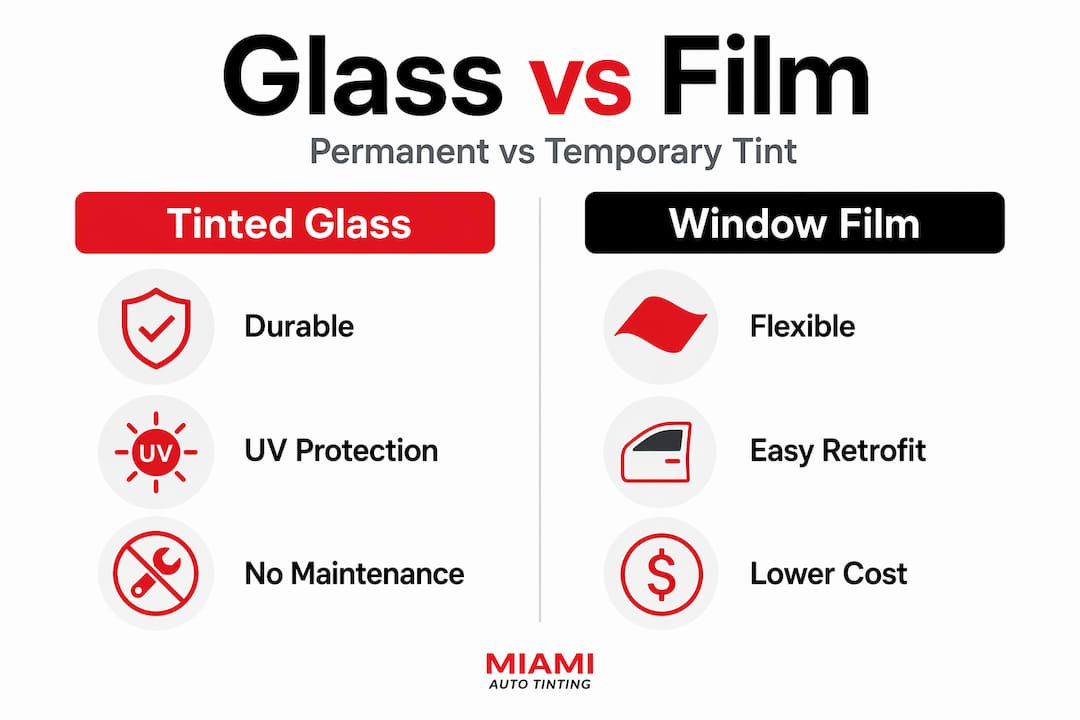
Window films win on flexibility and cost for retrofits. If you own a car and want better heat rejection today, or if you want to upgrade your home windows without replacing the glass, a quality ceramic film applied by a professional installer delivers real, measurable results. The two products are not competitors so much as tools for different situations.
My take on what most people get wrong
Over years of working with window tinting in Miami, what I have consistently found is that people focus on darkness and ignore performance. I have had customers come in asking for the darkest legal tint because they think darker means cooler. That is not how it works. A medium-shade ceramic film outperforms a dark dyed film in heat rejection every single time.
The same logic applies to body-tinted glass. A bronze-tinted glass panel may look less dramatic than a dark gray option, but it might have a significantly lower SHGC depending on the manufacturer's specifications. The number matters more than the color.
What I have also learned is that most homeowners do not realize how much body-tinted glass is already installed in their homes. Many modern double-pane windows come with a light tint built in from the factory. The problem is that factory tint is usually mild, and in Miami's climate, mild is not enough. That is where adding a ceramic window film on top of existing body-tinted glass creates a real, noticeable improvement in comfort.
The future of smart dynamic glass is genuinely exciting. Electrochromic technology is getting less expensive each year. Within a decade, adjustable tinting in residential windows will likely be standard in new construction. But for now, a professionally installed ceramic film gives you most of the benefit at a cost that actually makes sense.
— Jose
Get professional tinted glass service in Miami
If you are ready to move past theory and into actual results, Southmiamitint brings professional-grade window tinting directly to your location across Miami-Dade. No dropping off your car. No waiting around at a shop.
Southmiamitint uses 3M IR, 3M Color Stable, and Iviron Kollmax ceramic films, products that deliver measurable heat rejection and UV protection on cars, homes, and commercial properties. The ceramic window tint service starts at $249 and includes mobile installation at your home, office, or wherever your car is parked. If you want to compare options, check out mobile tinting prices and see what fits your budget before you commit to anything.
FAQ
What is tinted glass made of?
Tinted glass is made by adding metal oxides to molten glass during manufacturing, which permanently integrates color throughout the entire thickness of the glass. Common oxides include iron for green or blue tones and cobalt for deeper blue shades.
Is tinted glass the same as window film?
No. They are fundamentally different products. Tinted glass has color built into the glass itself during production, while window films are removable plastic laminates applied to existing glass surfaces after installation.
Is tinted glass safe for homes?
Yes, tinted glass for homes is safe and used widely in residential construction. It reduces UV exposure and solar heat gain, which protects both occupants and interior furnishings from sun damage without compromising structural integrity.
What are the main advantages of tinted glass?
The main advantages of tinted glass include solar heat reduction, UV protection, glare control, improved privacy, and long-term durability. In hot climates, windows drive up to 45% of home heat gain, making tinted glass a direct contributor to lower energy bills.
How do I choose between tinted glass and window film?
Choose body-tinted glass for new construction or full window replacement projects where you want permanent, low-maintenance performance. Choose ceramic window film for retrofitting existing vehicles or home windows where replacing the glass is not practical or cost-effective.