
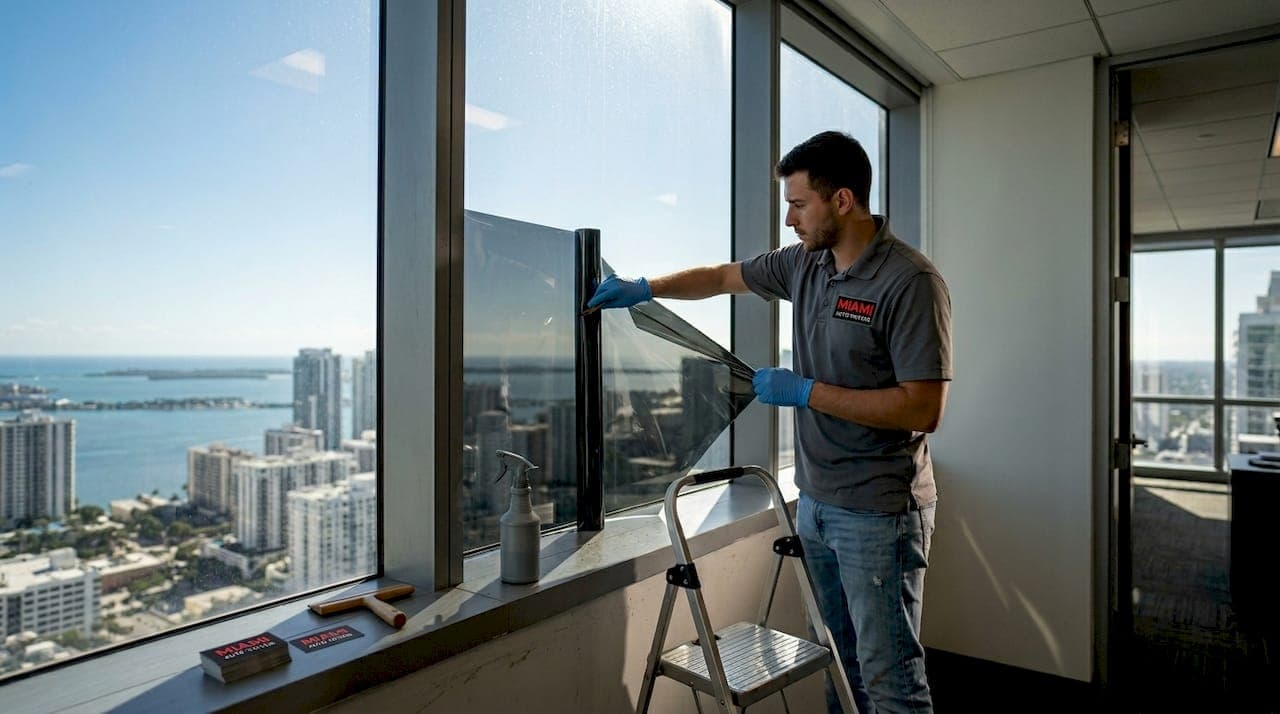
Picking the right window tint brand in Miami-Dade is harder than it looks. Dozens of brands flood the market, each promising superior heat rejection and UV blocking, but South Florida's relentless sun separates the premium performers from the pretenders fast. Whether you're protecting your car's interior, upgrading your home's windows, or cutting cooling costs in a commercial space, the brand and film type you choose will directly affect your comfort, your wallet, and how long your investment lasts. This guide walks you through exactly what to look for, which brands deliver real results, and how to make the right call for your specific situation.
Table of Contents
- What to look for when choosing a window tint brand
- Leading window tint brands for cars and properties
- Head-to-head: Ceramic vs. dyed window tints from popular brands
- Tinting for maximum UV protection and child safety
- Advantages and disadvantages of popular window tint brands
- Our take: What most Miami buyers forget when choosing a tint brand
- Where to find trusted window tint brands in Miami
- Frequently asked questions
Key Takeaways
| Point | Details |
|---|---|
| Brand matters, but so does type | Ceramic films from trusted brands outperform dyed films, especially in Miami's sun. |
| UV protection saves money | Choosing window tints with high UV rejection preserves interiors and protects health. |
| Quality installation is crucial | No matter the brand, proper installation ensures long-term performance and compliance. |
| Avoid cheap, uncertified tints | Lower-quality tints may fail quickly and cost more to replace—choose certified brands. |
What to look for when choosing a window tint brand
Before you compare brand names, you need to know what actually matters for Miami's climate. South Florida's combination of intense UV radiation, year-round heat, and high humidity places unique demands on window film. A tint that performs well in Chicago or Seattle may degrade or discolor far faster here.
Here are the most important factors to evaluate:
- UV protection rating: Look for films that block at least 99% of UV-A and UV-B rays. This protects your skin, your vehicle's interior, and your home's furnishings from fading.
- Heat rejection percentage: Total solar energy rejected (TSER) tells you how much overall solar heat the film keeps out. Higher percentages mean a cooler interior and lower energy bills.
- Visible light transmission (VLT): This is the percentage of light the film allows through. Florida law requires vehicles to have a minimum VLT of 28% on front side windows, so legal compliance is non-negotiable.
- Durability and warranty: Miami's sun accelerates film degradation. Choose brands that back their products with lifetime warranties and use scratch-resistant coatings.
- Signal compatibility: Metalized films can interfere with GPS, cell phone reception, and keyless entry systems. Ceramic films avoid this issue entirely.
- Aesthetic options: Shade level, reflectivity, and color matter for both curb appeal and interior ambiance. Top brands offer a wide range of looks without sacrificing performance.
Pro Tip: When choosing the right tint for your vehicle or property, always ask for the film's technical data sheet. Reputable brands publish their UV rejection, heat rejection, and VLT numbers clearly. If a seller can't produce that data, walk away.
Knowing these criteria upfront saves you from wasting money on a film that looks good in the showroom but fades within two years under Miami's sun.
Leading window tint brands for cars and properties
Now that you know what's important, here's how today's leading tint brands stack up. The brands listed below are consistently trusted by professional installers across Miami-Dade and are available for both automotive and residential or commercial applications.
- 3M: 3M is arguably the most recognized name in window film. Their Ceramic IR series and Color Stable line are known for outstanding infrared heat rejection, color stability over time, and a strong no-fad warranty. 3M films are particularly popular for luxury vehicles and high-end residential installs where both appearance and performance are priorities.
- Llumar: Llumar offers professional-grade films across a wide range of VLT options. Their ceramic and carbon lines deliver strong heat rejection for both vehicles and buildings, and their installer network is extensive across South Florida. Llumar is a solid all-around performer with competitive pricing at the premium level.
- SunTek: SunTek balances affordability and genuine performance better than most. Their carbon and ceramic lines are popular among professional installers who need reliable results across high-volume jobs. SunTek is a strong choice when budget matters but quality still can't be compromised.
- XPEL: XPEL's nano-ceramic films are engineered for extreme durability and come with lifetime warranties that actually hold up. XPEL has built a strong reputation for high infrared rejection and is a favorite among car enthusiasts in Miami who want the best protection available.
- Johnson Window Films: Johnson is a trusted name in residential and commercial window tinting. Their films are known for solid UV blocking and a range of decorative and privacy options, making them popular for homeowners and business owners in Miami-Dade.
"The best tint brand is the one installed correctly with verified, authentic film. A premium brand installed poorly will always underperform a mid-tier brand installed by a skilled professional."
For a more detailed breakdown of how each option fits your vehicle specifically, comparing tint options between brands can help you narrow your choice before talking to an installer.
Head-to-head: Ceramic vs. dyed window tints from popular brands
After covering the brands, it's useful to compare their key technologies. Ceramic and dyed films are the two most widely installed types, and in Miami's climate, the difference in performance is significant.
Here's how they break down:
- Ceramic films use nano-ceramic particles to reject infrared heat and UV radiation without relying on metal or dye. They maintain signal clarity, resist fading, and deliver the highest long-term performance. Most premium brands like 3M, XPEL, and Llumar lead with ceramic as their flagship technology.
- Dyed films use a layer of dye to absorb solar energy. They're the most affordable entry point, offer decent privacy, and block some UV. However, they degrade faster under UV exposure, can turn purple over time, and offer lower heat rejection than ceramic alternatives.
- Carbon films sit between dyed and ceramic. They use carbon particles for solid heat rejection without dye fading issues, and they're a reliable middle-ground option for budget-conscious buyers who still want solid UV performance.
| Film type | Heat rejection | UV block | Signal interference | Avg. lifespan |
|---|---|---|---|---|
| Ceramic (3M, XPEL, Llumar) | Up to 60%+ | Up to 99% | None | 10+ years |
| Carbon (SunTek, Llumar) | Up to 50% | Up to 99% | None | 7 to 10 years |
| Dyed (entry-level brands) | Up to 35% | Up to 80% | None | 3 to 5 years |
| Metalized (older tech) | Up to 50% | Up to 99% | Yes | 7 to 10 years |
The ceramic vs. carbon comparison makes it clear that ceramic wins for Miami drivers who park outdoors and deal with daily heat exposure. The higher upfront cost pays back quickly through lower air conditioning use and extended interior life.
Understanding ceramic vs. dyed tint performance is especially important for property owners. A home or office with large glass panels facing west will lose significant cooling efficiency with a dyed film that degrades in two to three years.
Pro Tip: Don't sacrifice quality for price in Miami's climate. The annual air conditioning savings from a quality ceramic film can easily offset the price difference compared to a dyed film within the first year alone. Do the math before you decide.
Tinting for maximum UV protection and child safety
With tech and performance considered, safety and UV protection should drive your final decision, especially for families with young children or pet owners who spend significant time in their vehicles or homes.
The best brands for maximum UV protection in Miami include:
- 3M Ceramic IR: Blocks up to 99.9% of UV rays while maintaining excellent clarity. Ideal for family vehicles and homes where skin protection is a top concern.
- Llumar CTX Ceramic: Delivers 99% UV rejection and strong infrared heat reduction, widely used in both automotive and residential applications.
- XPEL Prime XR Plus: XPEL's top nano-ceramic film rejects up to 98% of infrared heat and 99% UV, making it one of the best-performing options available today.
Smart window tint choices for families also include shatter-resistant safety films, which hold glass together during an accident or break-in, reducing injury risk from flying glass.
| Brand and film | UV rejection | Infrared rejection | Shatter resistance | Child safety certified |
|---|---|---|---|---|
| 3M Ceramic IR | 99.9% | Up to 97% | Available | Yes |
| Llumar CTX Ceramic | 99% | Up to 60% | Available | Yes |
| XPEL Prime XR Plus | 99% | Up to 98% | Standard | Yes |
| SunTek Carbon | 99% | Up to 50% | Available | Varies |
| Johnson Window Films | 99% | Up to 55% | Available | Yes |
Key statistic: Premium ceramic films block up to 99.9% of UV radiation, which is the primary cause of skin aging, eye damage, and interior fading. The skin damage reduction from quality tint is equivalent to wearing SPF 285 sunscreen on exposed skin, according to research published by the Skin Cancer Foundation.
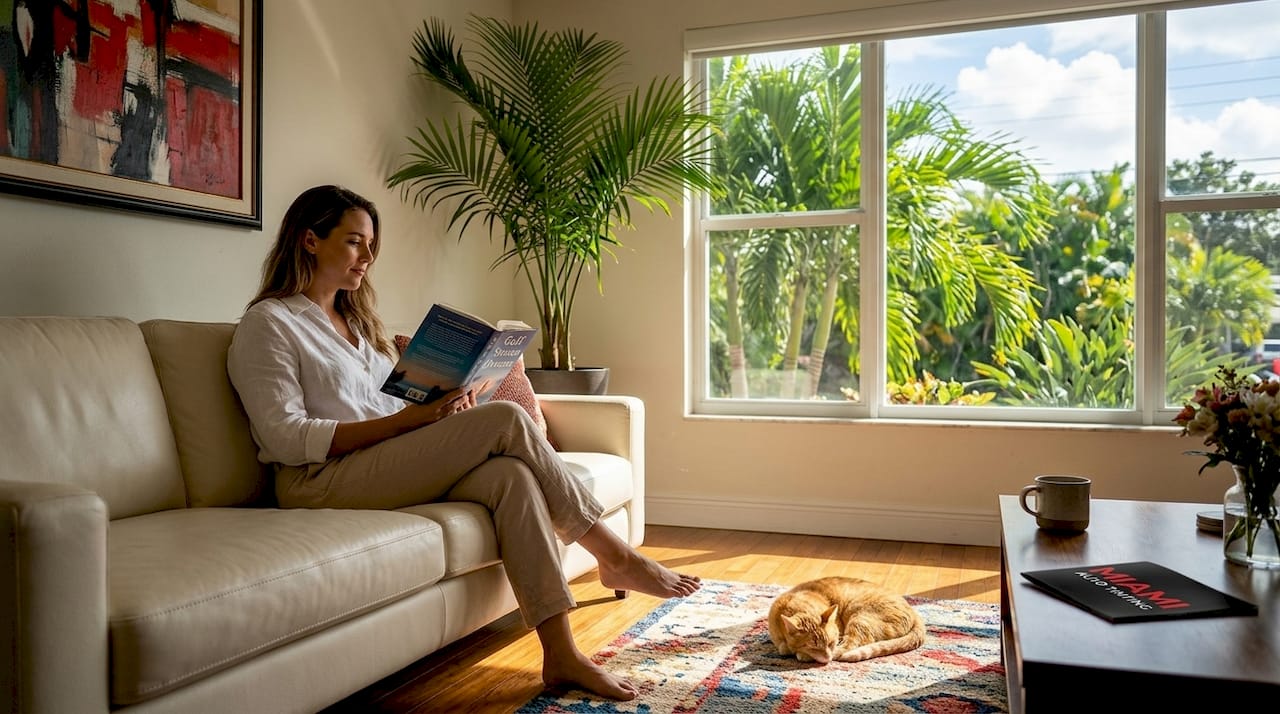
For property owners, UV-blocking residential films prevent furniture, flooring, and artwork from fading while reducing interior temperatures that make rooms uncomfortable during Florida's long summer months.
Advantages and disadvantages of popular window tint brands
After identifying brands and their features, weighing their advantages and disadvantages helps you make a smart final choice. No brand is perfect for every situation, and understanding the tradeoffs helps you spend wisely.
3M
- Pros: Best-in-class UV and IR rejection, lifetime warranty, huge product range, strong brand authenticity controls
- Cons: Premium pricing, requires certified 3M installers for warranty coverage
Llumar
- Pros: Wide product selection, strong residential and commercial options, competitive pricing at the professional level
- Cons: Quality varies by dealer tier, some entry-level Llumar films underperform versus the flagship ceramic line
SunTek
- Pros: Great value for money, solid carbon and ceramic options, widely available through professional installers
- Cons: Less brand recognition than 3M or XPEL, warranty terms vary by film type
XPEL
- Pros: Outstanding durability, lifetime warranty with excellent coverage, nano-ceramic technology is among the best available
- Cons: Higher price point, availability can be limited in some areas
Johnson Window Films
- Pros: Reliable UV protection, strong in residential applications, cost-effective for large commercial projects
- Cons: Less known for automotive applications, fewer premium ceramic options than competitors
One critical consideration is the risk of going cheap. The true cost of cheap window tints includes premature bubbling, purple discoloration, legal issues if VLT drops below Florida's limits, and potential damage to defroster lines during removal. These are all preventable with the right brand and installer.
Another major factor is installation quality. Even the best film fails if it's applied poorly. The DIY vs. professional tinting debate comes down to precision. Bubbles, dust contamination, and lifting edges are almost always the result of installation errors, not film defects. For Miami property owners investing in premium films, professional auto tinting ensures the warranty stays valid and the film performs as advertised.
Our take: What most Miami buyers forget when choosing a tint brand
Here's the uncomfortable truth that most comparison guides won't tell you: the brand name on the box matters far less than whether the film in the box is genuine, and whether the installer knows what they're doing.
Miami has a significant problem with counterfeit and gray-market window films sold under well-known brand names. These films look identical in the packaging but deliver none of the performance. Buyers who shop purely on price often end up with fake 3M or counterfeit Llumar that bubbles and fades within months. The hidden costs of cheap tints go beyond money. Failed film on a vehicle creates visibility hazards. Failed residential film means your home keeps absorbing heat and UV as if nothing was installed.
The second thing most buyers overlook is the installer's certification. Major brands like 3M and Llumar run authorized dealer networks. When you use a certified installer, you get access to the manufacturer's warranty, which typically covers defects, peeling, bubbling, and discoloration for the life of the film. Walk into an uncertified shop buying bulk film off a distributor and your warranty coverage is whatever that shop decides to offer.
Our experience with Miami-Dade clients confirms one pattern consistently: the buyers who are happiest years later are those who prioritized certified installation of a genuine film over the lowest possible price. The buyers who return frustrated are almost always those who chose based on price alone.
Pro Tip: Before committing to any installer, ask them to show you the manufacturer's certification documentation and to confirm the specific film line being installed. A reputable professional will have no hesitation providing both.
Where to find trusted window tint brands in Miami
If you're ready to upgrade your car or property with quality tint, working with a certified installer who uses verified brand-name films is the most important decision you'll make.
At South Miami Tint, we bring the service directly to you. Our mobile window tinting covers all of Miami-Dade for vehicles, homes, and commercial properties. We install 3M window tint in Miami, including the premium 3M IR and 3M Color Stable lines, as well as Iviron Kollmax ceramic film. Every installation is performed by trained professionals who care about quality and long-term results. If you want the convenience of professional tinting without driving anywhere, our mobile ceramic tinting service brings everything to your home, office, or preferred location across Miami-Dade.
Frequently asked questions
What are the best window tint brands for cars in Miami?
Top brands include 3M, Llumar, SunTek, XPEL, and Johnson, each offering durable films with strong UV and heat rejection suited to Miami's intense climate.
Which tint brand provides the highest UV protection?
3M, Llumar, and XPEL's nano-ceramic lines block up to 99.9% of UV rays, making them the top performers for skin and interior protection.
Are premium window tints worth the higher price?
Yes, premium ceramic films last significantly longer, reject more heat and UV, and come with better warranty coverage, making them more cost-effective over time than cheaper alternatives.
Can I install window tint myself, or should I use a pro?
Professional installation is strongly recommended because it prevents common issues like bubbling, lifting edges, and compliance violations, and keeps your manufacturer's warranty intact.
Does window tint affect cell phone or GPS signal?
Ceramic films are specifically engineered to avoid signal interference, while older metalized films can disrupt GPS, cell reception, and keyless entry systems.