
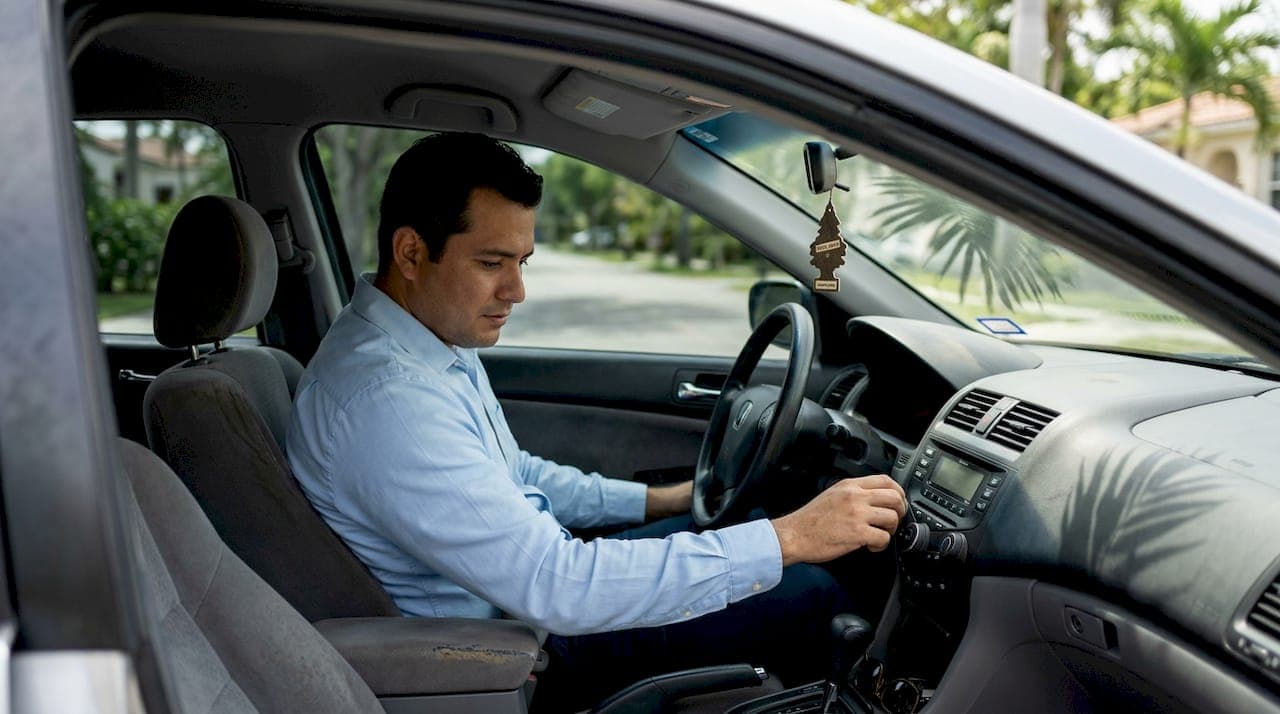
Miami sun doesn't just feel intense, it actively destroys your car's interior. Leather seats crack, dashboards warp, and door panels bleach out faster here than in almost any other city in the country. Many car owners assume any tinted window will handle the problem, but that belief leads to expensive regrets. The reality is that not all window films are built the same, and choosing the wrong one in Miami's climate is like wearing a cotton t-shirt in a hurricane. This guide breaks down exactly how window tint prevents fading, which films actually work, and what Miami drivers need to know before making a decision.
Table of Contents
- Why fading happens in Miami's climate
- How tint blocks UV and IR: the science explained
- Comparing tint types: which offers the best fading protection?
- Real-world results: how window tinting prolongs your car's interior
- The truth most Miami drivers miss: it's not about darkness, it's about technology
- Protect your car from fading with Miami's best window tint
- Frequently asked questions
Key Takeaways
| Point | Details |
|---|---|
| UV is the main fading culprit | Blocking UV rays is critical to stopping your Miami car’s interior from fading fast. |
| Ceramic and 3M tints work best | Premium ceramic or crystalline tints block up to 99.9% UV and IR for maximum interior protection. |
| Not all tint is equal | Film quality, not darkness, determines how well your tint reduces fading. |
| Proper installation matters | Expert application and maintenance ensure tint lasts and protects your car for years. |
Why fading happens in Miami's climate
Miami sits at roughly 25 degrees north latitude, which puts it closer to the equator than most major American cities. That geographic position means more direct solar radiation, longer sun exposure throughout the year, and significantly higher UV index readings compared to cities like Chicago or New York. For your car, this translates into a relentless assault on every interior surface.
There are two primary culprits behind interior fading: ultraviolet radiation and infrared heat. UV radiation, particularly UVA and UVB rays, penetrates glass and breaks down the chemical bonds in dyes, pigments, and synthetic materials. This is why a dashboard that looked pristine three years ago now looks chalky and cracked. Infrared radiation, on the other hand, is what you feel as heat. It doesn't just make your car uncomfortable. It accelerates the chemical breakdown that UV starts, essentially speeding up the aging process of every material inside your vehicle.
Here's what's particularly alarming about Miami specifically:
- Miami averages over 3,000 hours of sunshine per year, far above the national average
- UV index readings in South Florida regularly hit 10 or 11, classified as "extreme" by the EPA
- Parked cars can reach interior temperatures of 130 to 170 degrees Fahrenheit on a typical Miami summer day
- Humidity compounds heat damage by softening adhesives and materials, making them more vulnerable to UV degradation
- Even cloudy days in Miami deliver significant UV exposure because clouds block only a fraction of UV rays
"Car interiors fade rapidly in sun-rich environments due to UV and heat, with materials like leather, vinyl, and fabric showing visible degradation within months of unprotected exposure."
A common misconception is that factory-tinted glass, the slight gray or green tint you see on most new cars, provides meaningful UV protection. It doesn't. Factory glass typically blocks only about 25 to 30 percent of UV rays. That's barely a starting point. Understanding Miami's climate and tinting is the first step toward making a genuinely protective choice for your vehicle.
The damage isn't just cosmetic either. A faded, cracked interior significantly reduces your car's resale value. Buyers notice immediately when a dashboard is bleached or seats are worn from sun exposure. Protecting your interior with the right film is one of the highest-return investments you can make as a Miami car owner.
How tint blocks UV and IR: the science explained
Once you understand what causes fading, the next question is how window film actually stops it. The answer lies in the technology embedded in the film itself, and this is where the differences between cheap and premium tints become impossible to ignore.
Modern premium window films, particularly ceramic and advanced multi-layer films like 3M Crystalline, work through a combination of absorption and reflection. They contain nano-ceramic particles or specialized dyes and metals that intercept UV and infrared wavelengths before they pass through the glass and reach your interior.
Here's a breakdown of the key performance metrics you'll see when comparing films:
| Metric | What it measures | Why it matters for fading |
|---|---|---|
| UV rejection rate | % of UV rays blocked | Directly prevents dye and material breakdown |
| TSER (Total Solar Energy Rejection) | % of total solar energy blocked | Measures overall heat and radiation reduction |
| IRER (Infrared Energy Rejection) | % of infrared/heat blocked | Reduces heat buildup that accelerates fading |
| VLT (Visible Light Transmission) | % of visible light allowed through | Affects appearance, not fading protection |
The most important thing this table reveals is that VLT, which is essentially how dark a film looks, has almost nothing to do with fading protection. A nearly clear ceramic film can block 99.9% of UV rays while a very dark basic dyed film might only block 60 to 70 percent. This is the single most misunderstood fact in the window tinting world.
Ceramic films achieve their performance through nano-ceramic particles that are non-conductive and non-metallic. This means they reject heat and UV without interfering with GPS signals, cell phone reception, or toll transponders. Metallic films, by contrast, can cause signal interference because the metal particles disrupt radio frequencies.
Understanding the ceramic film science helps explain why these films command a higher price. The manufacturing process is significantly more complex, and the performance gap over basic films is substantial in real-world Miami conditions.
Pro Tip: When shopping for tint, always ask for the UV rejection rate and TSER rating, not just the VLT percentage. A film with 70% VLT (relatively light) and 99% UV rejection will protect your interior far better than a 5% VLT (very dark) dyed film with only 65% UV rejection.
IR rejection is equally important in Miami because heat is a co-factor in fading. Films with high IRER ratings keep cabin temperatures dramatically lower, which means materials aren't constantly being softened and stressed by extreme heat. The combination of high UV and high IR rejection is what separates truly protective films from decorative ones.
Comparing tint types: which offers the best fading protection?
Not all window films are created equal, and Miami's climate exposes those differences quickly. Here's how the main categories stack up against each other in real-world fading protection:
| Film type | UV rejection | IR rejection | Signal interference | Longevity in Miami |
|---|---|---|---|---|
| Dyed (basic) | 60-70% | Low | None | 2-4 years |
| Metallic | 75-85% | Moderate | Yes | 5-7 years |
| Carbon | 85-95% | Moderate-High | None | 5-8 years |
| Ceramic (Iviron Kollmax, 3M IR) | Up to 99.9% | Very High | None | 8-12+ years |
| 3M Color Stable | Up to 99.9% | High | None | 8-10+ years |
The data is clear. Ceramic tints provide top-tier fading protection because they lead in both UV and IR rejection while avoiding the signal interference issues of metallic films. For Miami drivers, this combination is exactly what the climate demands.
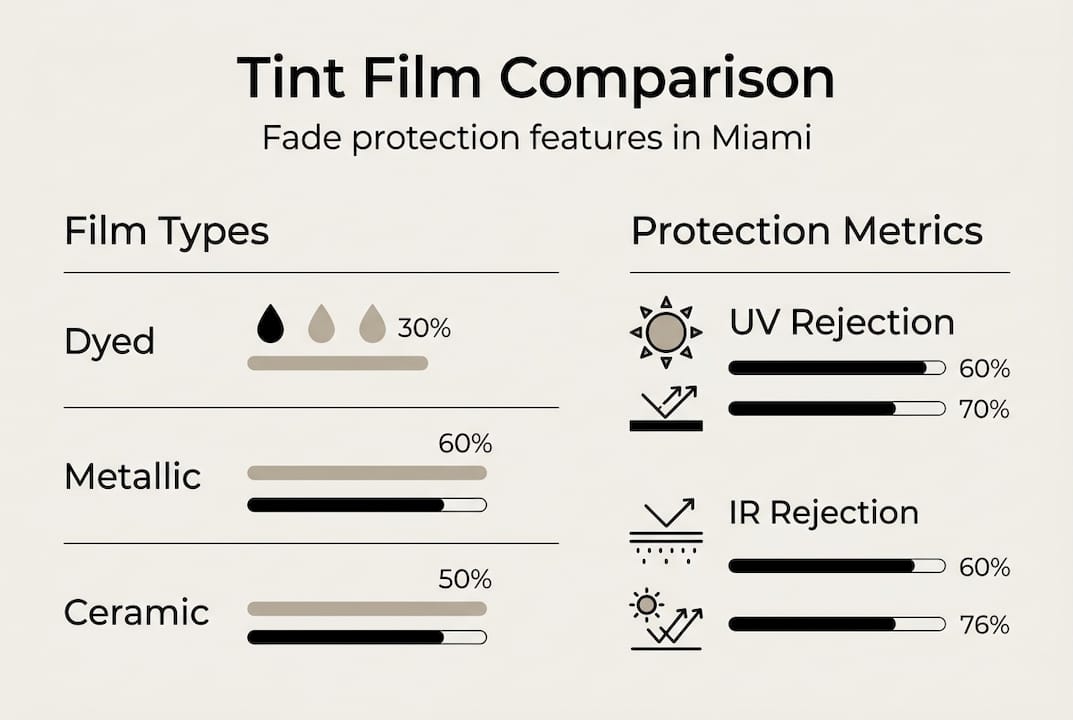
Dyed films are the most affordable option, but they're also the fastest to degrade in Miami's intense sun. The dye itself fades, which means the film that was supposed to protect your interior starts looking purple or blotchy within a few years. You end up paying twice: once for the film and once to replace it.
Metallic films perform better than dyed options but come with the signal interference drawback, which is increasingly problematic as cars rely more on GPS navigation, Bluetooth, and keyless entry systems.
Ceramic tint for Miami drivers represents the best long-term value because the higher upfront cost is offset by superior protection and a much longer service life. When you factor in the cost of reupholstering seats or replacing a cracked dashboard, the math strongly favors investing in quality film from the start.
Here's a simple numbered process for selecting the right tint grade for maximum fading protection:
- Identify your priority. If fading protection is the main goal, UV rejection rate should be your first filter. Look for films with 99% or higher UV rejection.
- Check the TSER rating. A higher TSER means less total solar energy entering your car, which reduces both fading and heat buildup.
- Consider your shade preference separately. Remember that VLT is independent of protection. Choose your shade after confirming the film's UV and IR specs.
- Verify film longevity. Ask about the manufacturer's warranty. Premium films like 3M Color Stable and Iviron Kollmax ceramic come with substantial warranties that reflect their durability.
- Factor in professional installation. Even the best film underperforms if it's installed with bubbles, gaps, or poor edge coverage. Always choose a certified installer.
Understanding why Miami drivers love ceramic tint comes down to this combination of performance, longevity, and the absence of trade-offs that plague cheaper alternatives.
Real-world results: how window tinting prolongs your car's interior
The numbers are compelling, but what does premium window tinting actually look like in practice for Miami car owners? The results are measurable and visible.
Vehicles with quality ceramic tint installed show dramatically less dashboard cracking, seat fading, and trim discoloration compared to untinted cars of the same age and model. In side-by-side comparisons of identical vehicles, the difference after just two Miami summers is striking. Tinted cars retain their interior color depth, material flexibility, and overall appearance far more effectively.
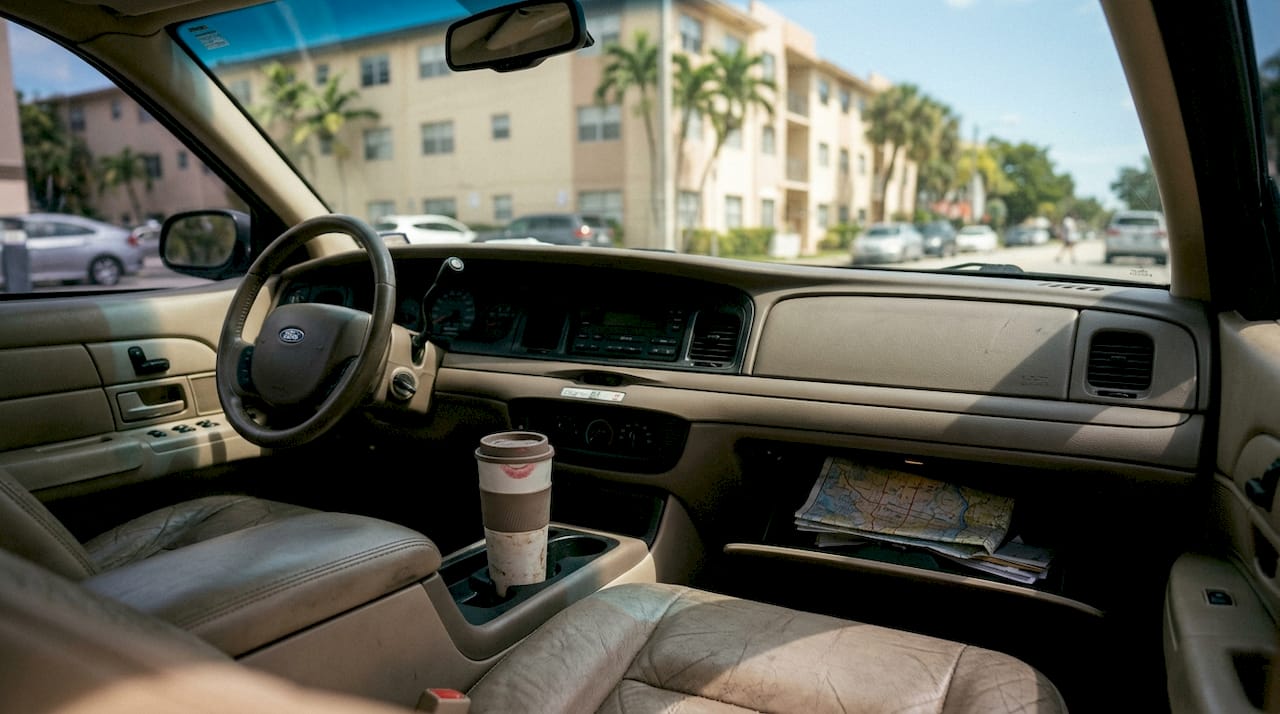
Films like 3M Crystalline can block up to 99.9% UV and cut significant heat, dramatically slowing interior fading even in the most demanding South Florida conditions. Miami car owners who have made the switch consistently report that their interiors look years younger than those of neighbors or coworkers driving untinted vehicles of similar age.
Here's a practical maintenance checklist to get the most out of your tint investment and keep your interior looking new:
- Wait 30 days after installation before cleaning the windows to allow the film to fully cure
- Use ammonia-free cleaners only on tinted windows; ammonia degrades the film over time
- Clean interior surfaces regularly to remove dust and debris that can scratch both tint and upholstery
- Use a windshield sunshade when parked for extended periods to supplement your tint's protection
- Inspect your tint annually for bubbling, peeling, or discoloration, which signals it's time for replacement
- Condition leather seats every 3 to 6 months even with tint installed, since some heat still enters through the windshield
The top benefits for Miami drivers go beyond just aesthetics. Maintaining your interior in excellent condition preserves resale value, reduces glare-related eye strain, and keeps your cabin cooler so your air conditioning doesn't have to work as hard.
One of the most common mistakes Miami car owners make is skipping professional installation to save money. DIY film kits from auto parts stores use lower-grade materials and almost always result in poor edge coverage, which allows UV to sneak in around the borders. Bubbles and gaps also create hot spots where fading accelerates. The UV protection for interiors only works when the film is applied correctly and completely.
Pro Tip: Schedule an annual inspection with your tinting professional. They can spot early signs of film degradation before it compromises your UV protection, and catching issues early is far cheaper than replacing a full set of windows.
The truth most Miami drivers miss: it's not about darkness, it's about technology
Here's the perspective that changes how most Miami drivers think about tinting. The instinct to go darker is completely understandable. Dark windows look protective. They look serious. They feel like they're doing more work. But this instinct is wrong, and it costs people real money.
We've seen this pattern repeatedly. A driver chooses a very dark basic dyed film because it looks tough, pays less upfront, and then wonders two years later why their dashboard is still cracking. Meanwhile, a driver in the same neighborhood with a lighter ceramic film has an interior that looks factory fresh. The difference isn't the shade. It's the technology.
Advanced ceramic films, even at relatively light shades, outperform dark basic films in every metric that actually prevents fading. The 3M Crystalline results we see in Miami are a perfect example. This film can be installed at lighter VLT levels and still deliver near-total UV rejection. That's a game-changer for drivers who want fading protection without the dark, tinted-out look.
The takeaway is simple: stop shopping by shade and start shopping by specs. Ask for the UV rejection rate. Ask for the TSER. Those numbers tell the real story.
Protect your car from fading with Miami's best window tint
Your car's interior is one of the most visible indicators of how well you've maintained your vehicle, and Miami's sun makes protection non-negotiable.
We offer mobile window tinting across Miami-Dade County, bringing premium ceramic window tint Miami solutions directly to your home, office, or anywhere convenient for you. Our films include 3M IR, 3M Color Stable, and Iviron Kollmax ceramic tint, all proven performers in South Florida's demanding climate. Whether you're looking for maximum fading protection, heat rejection, or both, we'll match you with the right film. Explore our mobile car tinting Miami service or learn more about our 3M window tint Miami options to get started today.
Frequently asked questions
Can window tint completely stop fading inside my car?
High-quality window tint dramatically reduces fading by blocking up to 99.9% of UV rays, but some minor fading may still occur over many years due to residual light and heat exposure.
Does a darker tint provide more fading protection?
No. Protection depends on the film's technology, not its shade. Ceramic films excel in UV and IR rejection even at lighter visible light transmission levels, outperforming dark basic films.
How long does window tint last in Miami's climate?
Quality ceramic or 3M films typically last 8 to 12 years or longer in Miami's harsh sun, especially when professionally installed and properly maintained with ammonia-free cleaners.
What areas of my car are most protected by tinting?
Window tint provides the greatest benefit to directly exposed surfaces like dashboards, front seats, steering wheels, and door panels, which receive the most concentrated UV and heat exposure.
Is professional installation important for fading protection?
Absolutely. Expert installation ensures complete edge-to-edge film coverage, eliminates gaps and bubbles, and maintains the manufacturer's warranty so your protection is guaranteed from day one.