
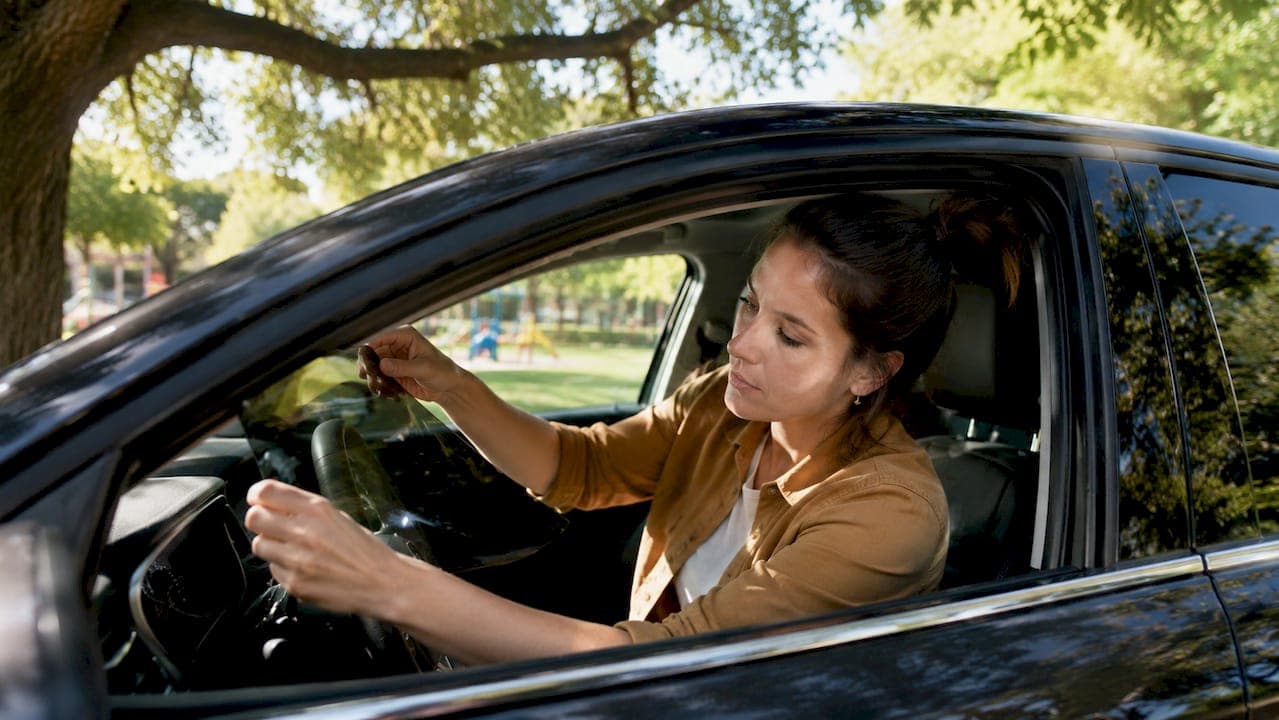
Car privacy upgrades are physical and digital modifications that protect what happens inside your vehicle from outside eyes and data collectors. The top car privacy upgrades in 2026 cover two distinct threats: people seeing into your car and connected systems transmitting your location, behavior, and personal data to third parties. The Federal Trade Commission's 2026 order against GM and OnStar, which banned sharing geolocation data for five years, confirmed that vehicle data collection is a real and regulated problem. Window tinting remains the most visible upgrade, but legal VLT limits vary by state and require professional measurement. This guide covers both fronts so you can make informed choices.
1. Top car privacy upgrades: window tint film
Window tinting is the single most effective physical upgrade for car privacy. A quality tint film reduces visibility into your vehicle from the outside, blocks UV rays, and cuts cabin heat. Not all films perform equally, and the type you choose determines both your privacy level and your legal standing.
Ceramic films, including products like 3M IR and Iviron Kollmax ceramic tint, block heat and UV without using metal particles that interfere with GPS or cellular signals. Metalized films offer strong heat rejection but can disrupt electronics. Dyed films are the most affordable option but fade faster and offer less heat control. For the best combination of privacy, durability, and signal compatibility, ceramic film is the right choice.
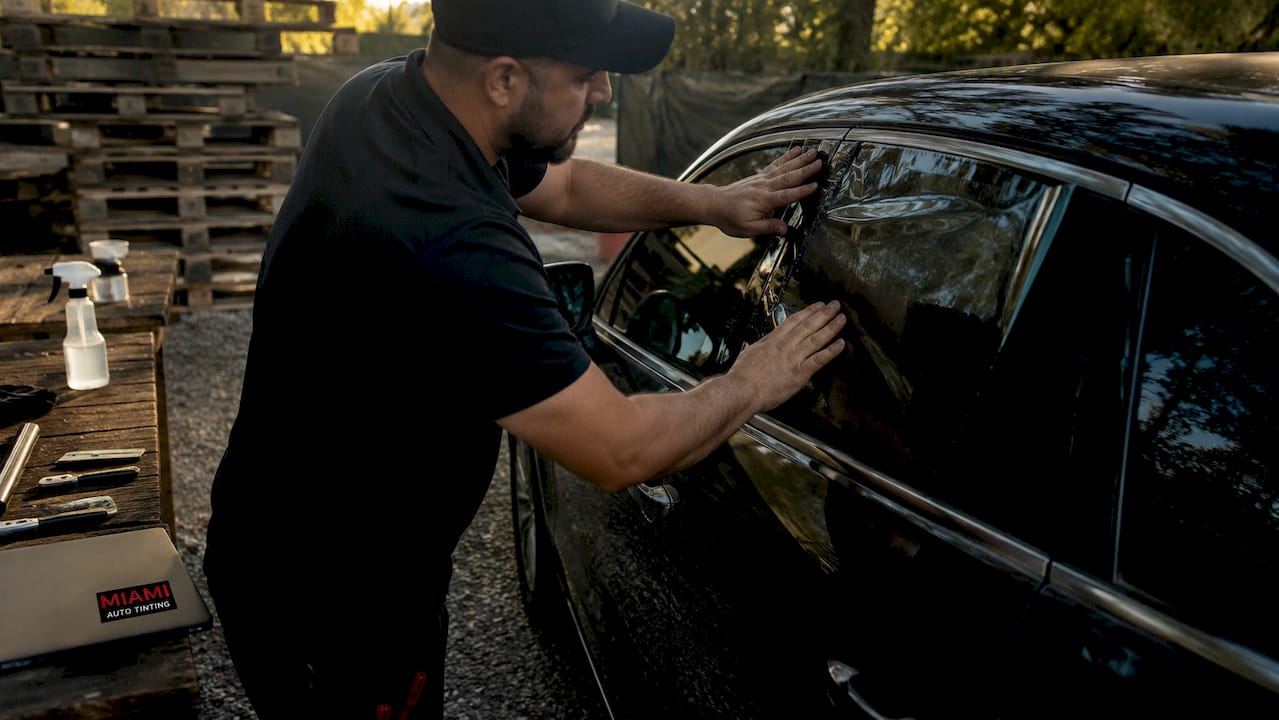
Legal VLT limits vary by state but typically require at least 70% visible light transmission on windshields and front side windows. Rear windows often allow much darker tints. The critical detail most car owners miss: the legal measurement is the combined VLT of the glass and the film together, not just the film's rating label. A film rated at 35% VLT on factory glass that already transmits 80% light will read differently than the same film on darker factory glass.
Pro Tip: Ask your installer to measure combined VLT with a calibrated meter before and after installation. Film labels alone do not guarantee legal compliance.
| Window Location | Typical Legal VLT Minimum | Notes |
|---|---|---|
| Windshield | 70% (federal standard) | Tint strips allowed at top in many states |
| Front side windows | 70% (many states) | Some states allow darker; verify locally |
| Rear side windows | Varies (often 20–35%) | Darker tints widely permitted |
| Rear window | Varies (often 20–35%) | Dual mirrors may be required |
For Miami drivers, local tinting regulations add another layer of specifics worth reviewing before booking an installation.
2. Ceramic vs. standard film: choosing the right tint
Ceramic tint outperforms standard dyed or metalized films in every category that matters for privacy and comfort. It blocks up to 99% of UV radiation, reduces infrared heat significantly, and maintains optical clarity without the purple haze that dyed films develop over time. For car owners in hot climates like South Florida, the heat reduction benefit alone justifies the price difference.
Standard dyed films cost less upfront but require replacement sooner. Metalized films last longer than dyed options but create signal interference that can affect your phone, GPS, and toll transponders. Ceramic films avoid all of these drawbacks. Southmiamitint installs 3M IR, 3M Color Stable, and Iviron Kollmax ceramic tint, all of which meet the performance threshold for both privacy and legal compliance.
The pros and cons of window tinting go beyond privacy. Glare reduction, interior protection, and resale value all factor into the decision. Ceramic film consistently scores highest across all of these categories.
3. How to disable connected car data sharing
Connected vehicles generate 1–2 terabytes of raw data daily. That data includes precise geolocation, driving behavior, seatbelt use, and infotainment activity. Most car owners have no idea this collection is happening, let alone how to stop it.
Opt-out options vary by manufacturer and require action across multiple interfaces. Mazda offers app-based opt-outs. BMW allows full in-vehicle SIM disablement at a dealership. Tesla provides infotainment system toggles for certain data categories. None of these options are unified or simple.
The steps to limit data sharing typically include:
- Open your vehicle's infotainment privacy or connected services menu and disable data sharing categories individually.
- Log into your manufacturer's mobile app and review account-level data sharing permissions.
- Contact your dealership for features that require in-person disablement, such as BMW's SIM card deactivation.
- Check your manufacturer's account portal online for additional opt-out or data deletion requests.
- Repeat this process after any software update, as updates can reset privacy settings.
Pro Tip: Review data-sharing categories one by one rather than looking for a single master off switch. Most manufacturers separate location data, driving behavior, and infotainment activity into different controls.
Disabling connected services comes with trade-offs. Turning off data sharing may also disable over-the-air software updates, remote diagnostics, and in some cases, emergency SOS calling. Weigh those trade-offs before making changes.
4. Physical hardware removal to stop vehicle telemetry
Physically removing the cellular modem and GPS antenna from your vehicle stops data transmission entirely. A security researcher's Toyota RAV4 modification confirmed this approach works. The process took a few hours and completely cut off data sharing, verified by the loss of internet connection and the SOS indicator going dark.
The steps involved in this approach are:
- Identify the location of the data communications module (DCM) and GPS antenna in your specific vehicle model using service documentation.
- Disconnect the DCM from the vehicle's power and data bus.
- Remove or shield the GPS antenna to stop location tracking.
- Confirm success by checking that the vehicle shows no active internet connection and that connected service indicators are off.
- Accept that SOS calling, over-the-air updates, and remote access features will no longer function.
This is not a casual upgrade. It requires technical skill, access to service documentation, and a clear understanding of what you are giving up. Hardware removal is also becoming harder as manufacturers integrate modems more deeply into vehicle architecture and anti-right-to-repair trends continue. For most car owners, software opt-outs are the more practical path.
5. Privacy accessories and DIY interior covers
Not every privacy upgrade requires a permanent installation or technical expertise. A range of physical accessories can block visibility into your parked vehicle without touching the factory glass.
Popular options include:
- Magnetic privacy curtains: Attach to door frames using magnets and cover side windows completely. They are removable and leave no marks.
- Reflective window shades: Reflectix or similar foil-bubble insulation cut to window size blocks both visibility and heat. A common choice for car campers and van dwellers.
- Foam board covers: Rigid foam board cut to fit each window provides a blackout effect and insulates against temperature extremes.
- Fabric window screens: Breathable mesh screens allow airflow while blocking direct sightlines into the cabin.
- Retractable sunshades: Windshield and rear window shades reduce visibility from the front and back while parked.
These solutions work best for parked scenarios, such as overnight stays, urban parking, or situations where you want complete interior blackout. They do not replace window tint for driving privacy, but they cost far less and require no installation appointment. For car accessories that cover both privacy and security needs, a combination of permanent tint and removable covers gives you the most flexibility.
6. Balancing legality, privacy, and vehicle functionality
The best privacy upgrade strategy is a layered one. Start with legal window tinting on rear and side windows, then address connected data settings, and add physical accessories where needed. Trying to do everything at once, especially hardware removal, creates unnecessary risk.
Federal law requires at least 70% VLT through windshields, and many states apply the same standard to front side windows. Violating these limits results in fines and failed vehicle inspections. More practically, illegal tint reduces your resale value and can create liability if you are involved in an accident where visibility is questioned.
Before selling or trading in your vehicle, perform a full factory reset and disconnect all linked accounts. Past data collection does not erase automatically when you change privacy settings on an active vehicle. A factory reset is the only reliable way to delete stored personal data before the car changes hands.
Pro Tip: When booking a tint installation, ask the installer to confirm the combined VLT reading on your specific factory glass, not just the film's rated value. Factory glass darkness varies by make and model.
For help choosing the right shade for your vehicle, the 2026 tint shade guide covers legal options by window position and privacy goal.
7. Data deletion before selling your car
Selling a car without wiping its data is the privacy equivalent of selling a phone without a factory reset. Connected vehicles store granular data including home and work addresses, contact lists synced from your phone, trip history, and saved payment methods for toll or parking systems.
The process for a clean data wipe includes performing a full factory reset through the infotainment system, removing all paired Bluetooth devices, deleting saved locations and navigation history, and logging out of all connected accounts including streaming services and manufacturer portals. Check your owner's manual for the specific factory reset procedure, as the steps differ by brand and model year. This step costs nothing and takes under 30 minutes. Skipping it hands your personal data to a stranger.
Key takeaways
The most effective approach to car privacy combines legal ceramic window tinting, manufacturer data opt-outs, and a factory reset before any vehicle sale or transfer.
| Point | Details |
|---|---|
| Ceramic tint is the top physical upgrade | Films like 3M IR and Iviron Kollmax block UV and heat while maintaining legal VLT compliance. |
| Combined VLT is the legal standard | Measure glass and film together with a calibrated meter, not just the film's label rating. |
| Data opt-outs require multiple steps | Adjust settings in the infotainment system, mobile app, and manufacturer account portal separately. |
| Hardware removal is a last resort | Disconnecting the DCM stops all telemetry but also disables SOS calling and OTA updates. |
| Factory reset before resale is non-negotiable | Active privacy settings do not delete stored data; only a full reset clears personal information. |
What I've learned from years of tinting and privacy upgrades
Car owners almost always underestimate how much their vehicle reveals about them. The window tint question gets asked constantly, and the answer is straightforward: start there. A quality ceramic film on your rear and side windows gives you immediate, visible privacy without touching any software or voiding any warranties. It is the upgrade with the clearest payoff and the fewest trade-offs.
The connected data side is where things get complicated. I have seen car owners spend hours trying to fully opt out of manufacturer data sharing, only to discover that a software update reset half their settings. The FTC's action against GM and OnStar was a wake-up call, but it did not solve the underlying problem for every brand. My honest advice: do the software opt-outs, but do not assume they are permanent. Check them again after every major update.
Hardware removal is a different conversation entirely. The Toyota RAV4 case study is impressive, but it is not a realistic path for most drivers. Losing SOS calling is a real safety trade-off, and the technical barrier is high. Unless you have specific reasons to go that far, layered software controls plus professional tinting will cover the vast majority of your privacy needs.
The one thing I would tell every car owner before they sell: do the factory reset. No one thinks about it until it is too late, and the data sitting in that infotainment system is more personal than most people realize.
— Jose
Professional ceramic tinting from Southmiamitint
Southmiamitint installs 3M IR, 3M Color Stable, and Iviron Kollmax ceramic tint on cars across Miami-Dade, with the convenience of mobile service at your location. No shop visit required.
Ceramic tint blocks UV radiation, reduces cabin heat, and gives your rear and side windows the privacy level you actually want, all while staying within Florida's legal VLT limits. Southmiamitint's installers measure combined VLT on your specific factory glass before and after installation, so you leave with documented compliance, not just a film label. For pricing and booking, visit the ceramic window tint Miami page and schedule your mobile appointment today.
FAQ
What is the legal VLT limit for car window tint?
Federal law requires at least 70% VLT on windshields, and many states apply the same standard to front side windows. Rear windows typically allow darker tints, but limits vary by state.
How do I stop my car from sharing my location data?
Opt-out options vary by manufacturer and require changes in the infotainment system, the manufacturer's mobile app, and the account portal. Some features, like BMW's SIM disablement, require a dealership visit.
Does removing the car modem fully stop data collection?
Yes. Physically disconnecting the DCM and GPS antenna stops all telemetry, but it also disables SOS calling, over-the-air updates, and other connected features.
What type of window tint is best for privacy?
Ceramic tint films offer the best combination of privacy, heat rejection, UV blocking, and signal compatibility. They outperform dyed and metalized films on every practical measure.
Should I wipe my car's data before selling it?
A full factory reset is the only reliable way to delete stored personal data before a vehicle sale. Changing privacy settings on an active vehicle does not erase previously collected data.