
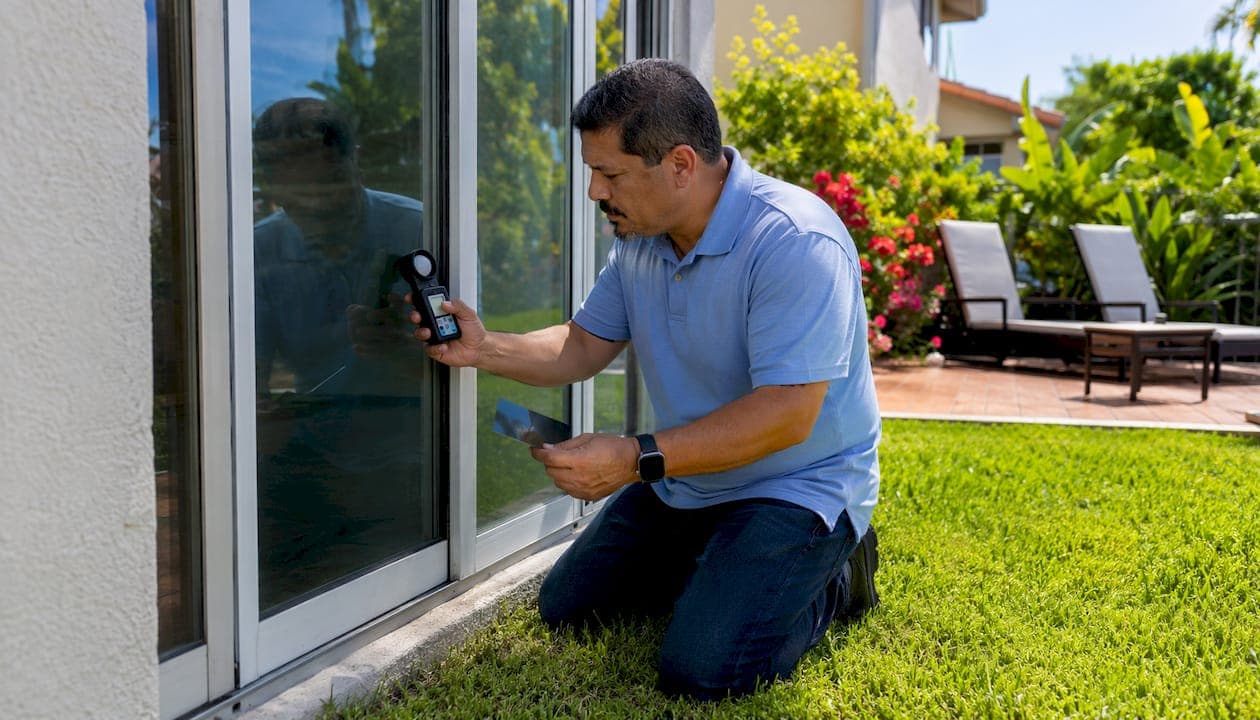
A professional residential window tinting upgrade genuinely helps Kendall homes sell better. Films cut cooling costs, protect interiors from UV damage, and give buyers the "finished" feeling they remember after a showing. It's a practical resale differentiator, not a guaranteed appraisal bump, but the right film choice can make your home stand out in Miami-Dade's competitive market.
Here's what the numbers look like upfront:
- Cooling cost reductions on south- and west-facing exposures, typically in the 10–25% range depending on exposure and film type
- Up to 99% UV blocking with modern ceramic films, protecting floors, furniture, and finishes
- Payback in some high-exposure cases within a year from energy savings alone
- Transferable manufacturer warranties that buyers can take with them at closing
- Hurricane-rated security film options, a genuine selling point in South Florida
Your first step: schedule an on-site consultation focused on SHGC reduction targets, your HOA's film rules, and whether hurricane-rated mounting makes sense for your property.
Table of Contents
- 1. How tinting lowers your cooling costs and why Kendall buyers care
- 2. UV protection preserves your floors, furniture, and finishes
- 3. Privacy and security benefits that attract Kendall buyers
- 4. How tinting affects your home's curb appeal and finished look
- 5. What does a tinting upgrade actually cost, and when do you break even?
- 6. Which films work best in Kendall's climate and resale context
- 7. How to choose a local Kendall installer and what to ask
- 8. What Kendall buyers actually notice and local market signals
- 9. Action steps before you list your Kendall home
- Key Takeaways
- Why most homeowners underestimate what tinting does for a sale
- Southmiamitint brings mobile ceramic film installs directly to your Kendall home
- Useful sources and further reading
1. How tinting lowers your cooling costs and why Kendall buyers care
South Florida buyers read utility bills. A home that runs its AC hard all summer is a liability; one with documented lower bills is a feature. That's the core argument for a tinting upgrade on Kendall resale homes.

Window film works by reducing the Solar Heat Gain Coefficient (SHGC) of your glass. SHGC measures how much solar heat passes through a window. Standard single-pane glass can carry an SHGC near 0.70; retrofit ceramic films can push that figure down to near 0.23 in some scenarios. Less heat entering the home means your AC runs less, and your utility bills reflect it.
For Kendall homeowners, the highest-impact windows are south- and west-facing exposures, sunrooms, and large sliding glass doors. These are the openings that drive the most solar load during peak afternoon hours. Prioritizing them gets you the fastest payback.
- Target SHGC reductions and visible light transmission (VLT) choices during your consultation
- Ask for energy-savings documentation from previous local installs
- South/west-facing rooms and sunrooms deliver the strongest cooling benefit
- Buyers appreciate seeing a documented utility comparison, even a rough one
Pro Tip: Ask your installer for a before/after utility comparison from a similar Kendall property. That single document can become a negotiating asset during buyer due diligence.
2. UV protection preserves your floors, furniture, and finishes
Modern ceramic films block up to 99% of UV radiation, and that number matters far more than most homeowners realize. UV exposure is the primary driver of fading in hardwood floors, upholstery, rugs, and artwork. A home with preserved interiors signals low maintenance to buyers and removes a common negotiation lever: "the floors are faded, so we want a credit."
The rooms to prioritize are the ones buyers spend the most time in during showings: the living room, primary bedroom, and any room with large picture windows or sliding glass doors. Faded floors in those spaces are immediately visible and immediately negotiable.
- Hardwood floors: most vulnerable to UV-driven color shift; ceramic film slows this significantly
- Upholstered furniture and rugs: fabric fading is cumulative and hard to reverse
- Artwork and photography: UV damage is permanent; film is far cheaper than restoration
- Kitchen cabinetry near windows: often overlooked but subject to the same UV load
Pro Tip: Choose a clear high-IR rejection ceramic film for living areas and bedrooms. You get full UV protection without darkening the room, which keeps the home feeling bright and open during showings.
The connection to resale is direct. Buyers touring a home with pristine floors and unfaded furniture perceive a well-maintained property. That perception reduces their inclination to negotiate down on price.

3. Privacy and security benefits that attract Kendall buyers
Daytime privacy and reinforced glass protection are practical upgrades buyers notice, especially in Kendall neighborhoods where homes sit close together or face busy streets. Security and hurricane-rated residential films with reinforced mounting systems are a genuine selling point in South Florida, where hurricane season is a real annual concern.
What privacy films do:
- Reduce outside visibility during daylight hours without blocking your view outward
- Cut glare on screens and work surfaces, improving livability
- Eliminate the need for heavy blinds or curtains, keeping rooms feeling open
What security and hurricane films add:
- Hold glass fragments together on impact, reducing injury risk from breakage
- Slow forced entry on ground-floor windows and sliding doors
- Provide structural reinforcement when installed with hurricane-rated edge mounting
- Qualify as a documented safety upgrade you can disclose to buyers
For Kendall properties with ground-floor bedrooms, large sliding glass doors, or any opening in a flood-prone or hurricane-exposed area, security film with proper mounting is worth the additional cost. It's a feature you can list on the disclosure form and in the MLS description.
4. How tinting affects your home's curb appeal and finished look
High-quality residential films are virtually invisible from the outside. They make a home look finished rather than visibly "tinted," which is exactly what you want for resale. The wrong film choice, typically a dark or highly reflective option, can make a home look institutional or dated in listing photos.
Visual choices that work for resale:
- Clear ceramic IR film: minimal visual change, maximum heat rejection, ideal for picture windows
- Low-reflectivity neutral films: contemporary look, reduces mirror effect on street-facing windows
- Lightly tinted ceramic: subtle darkening that reads as premium glass in photos
- Decorative films: privacy accents for entry sidelights and bathroom windows without blocking light
For listing photos, include before/after shots taken at the same time of day with the same lighting conditions. The difference in glare reduction and interior visibility is often striking. Street-facing windows, entry sidelights, and large picture windows are where curb appeal matters most. A professional install with clean edges and no bubbling reads as quality craftsmanship in close-up photos.
5. What does a tinting upgrade actually cost, and when do you break even?
Many Kendall homeowners recover a meaningful portion of their investment through energy savings alone, with some high-exposure cases reporting payback under 12 months. The total cost depends on project size, film grade, and whether hurricane mounting is included.
| Project scope | Estimated cost range | Expected annual energy savings | Typical payback |
|---|---|---|---|
| Entry-level (1–3 windows, basic film) | — | cooling cost reduction | — |
| Mid-range (whole house, quality film) | — | cooling cost reduction | — |
| Premium (ceramic IR + hurricane mounting) | — | cooling cost reduction | — |
Cost factors that change the price: film grade (dye vs. ceramic vs. nano-ceramic), window count and size, hurricane-rated edge mounting, and whether sliding glass doors are included. Large picture windows and specialty shapes cost more per square foot than standard double-hung windows.
- Film grade is the biggest cost driver; ceramic IR films cost more but perform significantly better in Miami-Dade's climate
- Hurricane mounting adds cost but also adds a documented safety feature for disclosure
- Sliding glass doors are high-priority for both energy savings and security
Pro Tip: Ask for a transferable manufacturer warranty in writing before you sign. A documented warranty that transfers to the buyer at closing is a concrete asset you can reference in negotiations, not just a nice-to-have.
Transferable warranties from premium manufacturers give buyers confidence that the film will perform for years after purchase. That documentation belongs in your closing package alongside the inspection report.
6. Which films work best in Kendall's climate and resale context
Premium nano-ceramic IR-rejecting films are the right choice for most Kendall homes. They maximize heat rejection while staying clear, which solves the biggest buyer objection: "the house is too dark." Here's how the three films Southmiamitint installs compare for resale use.
| Film | Best for | UV block | Heat rejection | VLT (approx.) | Durability |
|---|---|---|---|---|---|
| 3M IR Ceramic | Max heat rejection, picture windows | Up to 99% | Up to 80% solar heat rejection | High (stays clear) | Excellent; resists fading in humidity |
| 3M Color Stable | Long-term color consistency, south-facing rooms | Up to 99% | Strong mid-range (lower than IR ceramics) | Moderate-to-high | Very good; stable color over time |
| Iviron Kollmax Ceramic | High IR rejection, sliding doors, sun-facing rooms | Up to 99% | Up to 80% solar heat rejection | High | Excellent in harsh UV/humidity |
3M IR Ceramic is the top pick for large picture windows and any room where you want maximum heat rejection without darkening the glass. It's the film buyers notice most because the room stays bright.
3M Color Stable is built for long-term appearance. In south-facing rooms that take years of direct sun, color-stable technology prevents the film from shifting to a purple or bronze tint over time. That matters for resale because a film that looks fresh in five years is more valuable than one that has visibly aged.
Iviron Kollmax Ceramic delivers high IR rejection with excellent performance in South Florida's combination of intense UV and humidity. Ceramic films resist fading and bubbling better than dye- or metal-based alternatives in harsh climates, and Kollmax is a strong performer for sliding glass doors and sun-facing rooms.
Pro Tip: For a whole-house resale install, use 3M IR Ceramic on your largest picture windows and Iviron Kollmax on sliding glass doors. The combination gives you maximum buyer-facing benefit at every key opening.
Explore the window film types for Kendall weather guide for a deeper breakdown of how each film performs across Miami-Dade's seasonal conditions.
7. How to choose a local Kendall installer and what to ask
Choose a Kendall or Miami-Dade installer who documents their SHGC and energy claims, offers hurricane-rated mounting options, and provides a written transferable warranty. Those three criteria separate professional installers from cut-rate operations. The Kendall window tinting workflow covers what a professional install process looks like from start to finish.
Questions to ask every installer:
- What is the SHGC and IR rejection rating of the film you're recommending?
- What percentage of UV does it block, and do you have a spec sheet?
- Is the warranty manufacturer-backed, and does it transfer to the new owner?
- Do you offer hurricane-rated edge mounting for sliding doors and ground-floor windows?
- Can you provide references or before/after photos from Kendall-area installs?
- What certifications or manufacturer authorizations do you hold?
Red flags to watch for:
- No portfolio or local references
- Vague performance claims with no spec sheet to back them
- No written warranty or warranty that doesn't transfer
- Pressure to choose the darkest VLT without explaining the tradeoffs for resale
- No mention of HOA compliance or permit requirements
Pro Tip: Copy those six questions into an email and send them to every installer you're considering before the site visit. The quality of the response tells you a lot about how they'll handle the install.
8. What Kendall buyers actually notice and local market signals
Kendall buyers pay attention to interior comfort, utility bills, and natural light. A home that feels cool and bright during a July showing, with documented low electric bills, creates a strong impression. Local experts frame window tinting as a strategic investment for resale because it creates a comfortable, finished environment buyers remember.
Summer showings in Kendall are where the benefit is most demonstrable. A buyer walking into a home at 2 PM in August will feel the difference between a tinted and untinted west-facing living room immediately. That physical comfort translates into a more favorable impression of the whole property.
A common scenario: a Kendall townhouse with large west-facing windows and no film generates buyer comments about heat and glare during afternoon showings. After a ceramic IR install, the same showing produces comments about how bright and comfortable the home feels. Fewer objections, shorter negotiation, faster close.
- Schedule showings in the afternoon to demonstrate the comfort benefit directly
- Include utility bill comparisons in your listing package when available
- Disclose the film type, warranty, and installation date in your seller's disclosure
Pro Tip: Confirm your HOA's architectural guidelines before installation. Florida has no statewide residential film darkness law, but an HOA removal order after listing erases every resale benefit you've built.
9. Action steps before you list your Kendall home
Upgrading your home's window tinting before listing is a practical, low-disruption improvement. Here's how to move efficiently:
- Schedule an on-site SHGC consultation and ask for documented energy-payback examples from comparable Kendall properties.
- Prioritize ceramic IR films for south- and west-facing windows; add hurricane-rated security film for ground-floor openings and sliding glass doors.
- Verify HOA rules on film reflectivity and VLT before ordering any film.
- Get a written, transferable warranty and an installation certificate to include in your closing package.
- Book 2–3 local quotes to compare film specs, not just price. The cheapest quote rarely includes the best film for Miami-Dade's climate.
A whole-house ceramic install typically takes one day for a standard Kendall home. Mobile installers come to your property, which means no scheduling around a shop visit. The film cures within a few days, and the home is ready for photos and showings shortly after.
Key Takeaways
A professional ceramic window tinting upgrade is one of the most cost-effective Kendall home improvements you can make before listing, delivering documented energy savings, UV protection, and buyer-facing comfort that shortens time on market.
| Point | Details |
|---|---|
| Cooling cost reduction | Ceramic films cut cooling costs by 10–25%, with payback possible under 12 months on high-exposure properties. |
| UV protection | Modern films block up to 99% of UV rays, preserving floors, furniture, and finishes buyers see during showings. |
| Film choice for resale | 3M IR Ceramic and Iviron Kollmax are the strongest performers for Kendall's climate; prioritize high VLT to avoid the "too dark" objection. |
| Warranty documentation | A written, transferable manufacturer warranty included in your closing package adds buyer confidence and negotiating strength. |
| Southmiamitint | Offers mobile ceramic film installs in Kendall using 3M IR, 3M Color Stable, and Iviron Kollmax with transferable warranties. |
Why most homeowners underestimate what tinting does for a sale
Window tinting for resale gets treated as a cosmetic upgrade, like fresh paint or new fixtures. That framing undersells it. Paint doesn't lower your utility bill. Fixtures don't protect your floors from UV damage. Tinting does both, and it does them in a way that buyers can feel during a showing and verify on a utility statement.
The objection I hear most often is that buyers won't notice the film. That's exactly backward. Buyers notice the absence of problems: the room that doesn't feel like an oven at 3 PM, the floors that haven't faded, the sliding door that doesn't flood the living room with glare. Those absences create a perception of quality and care that influences offers.
The one mistake worth avoiding: choosing a film that's too dark because it has the best heat rejection numbers on paper. A buyer who walks into a dim home loses the sense of space and light that drives emotional attachment. Bright and comfortable is the target. Premium ceramic IR films deliver both, and that's the combination that actually moves the needle in Kendall's market.
Southmiamitint brings mobile ceramic film installs directly to your Kendall home
If you're preparing to list and want the upgrade done without the hassle of coordinating shop visits, Southmiamitint's mobile residential service covers Kendall and the surrounding Miami-Dade area. The team comes to your property, handles the full install in a single visit, and uses 3M IR Ceramic, 3M Color Stable, and Iviron Kollmax ceramic films with transferable manufacturer warranties.
Every install includes an on-site SHGC consultation, film spec documentation for your closing package, and hurricane-rated mounting options for sliding doors and ground-floor windows. You get the films buyers respond to, installed by a team that knows Kendall's climate and HOA landscape.
Ready to get your home ready for the market? Request a ceramic film estimate or check mobile tinting availability in Kendall to book your on-site consultation.
Useful sources and further reading
These are the primary sources behind the claims in this article. Use them to verify specs, request technical documentation, or compare film performance data before your consultation.
- U.S. Department of Energy — Update or Replace Windows: Best for understanding SHGC standards and how retrofit films compare to window replacement on energy performance.
- U.S. Department of Energy — Energy-Efficient Window Coverings: Covers solar heat gain, VLT tradeoffs, and how window treatments affect cooling load. Good technical background before your installer consultation.
- Miami Design Group — Window Tinting in Kendall, FL: Local installer data on cooling savings, ceramic film performance, and hurricane-rated mounting options for South Florida properties.
- The Window Stinting — Residential Home Window Tinting: Technical specs on SHGC reduction, UV blocking, and transferable warranty language. Useful for comparing film performance claims.
- Southmiamitint — Window Film Types for Kendall Weather: 2026 Guide: Local guide on how 3M IR, 3M Color Stable, and Iviron Kollmax perform across Kendall's seasonal conditions.
Always request a written spec sheet and a copy of the manufacturer warranty before purchase. The spec sheet should list SHGC, VLT, UV block percentage, and IR rejection. If an installer can't provide it, that's a red flag.