
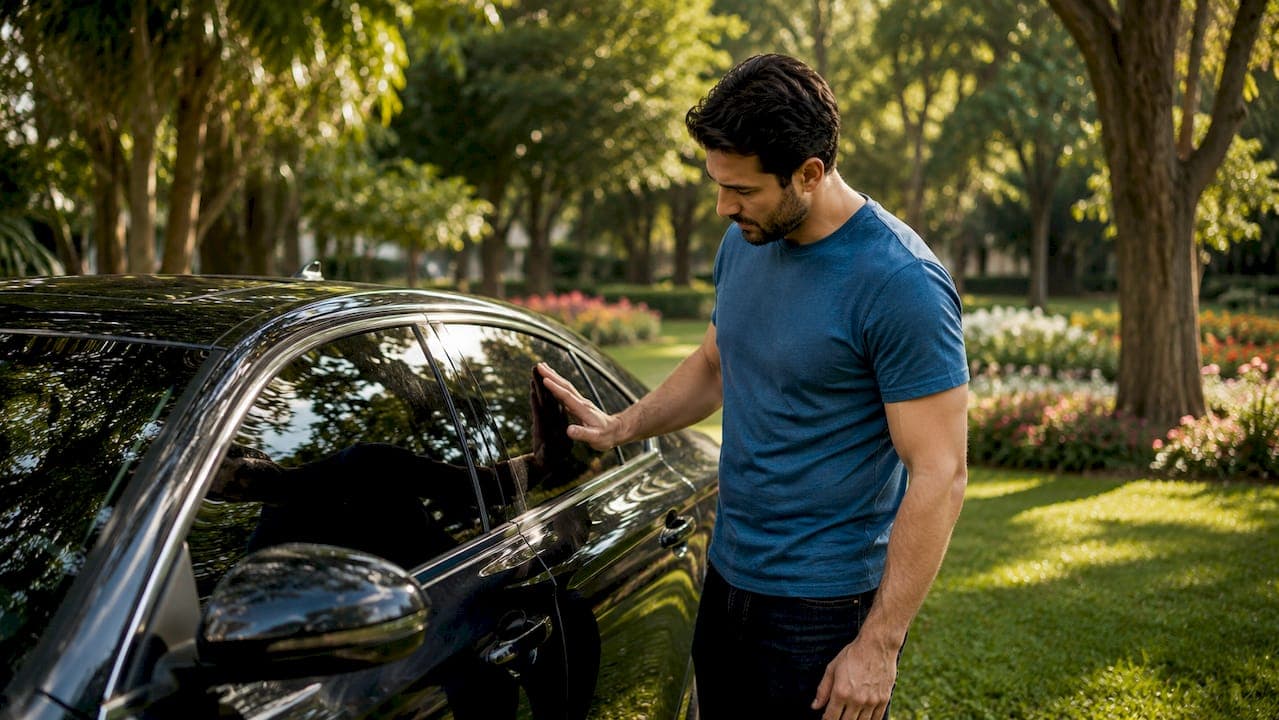
Window tinting is a direct investment in your car's resale value. It protects the interior from UV damage, sharpens the vehicle's appearance, and signals to buyers that the car was well maintained. The role of window tint in resale value is more concrete than most car owners realize. Films like 3M IR, 3M Color Stable, and Iviron Kollmax ceramic tint do more than block glare. They slow interior aging, reduce heat buildup, and give your car a finished look that stands out in listings. Understanding why tinting increases vehicle value helps you make a smarter decision before you sell or trade in.
How does window tinting preserve and protect your vehicle's interior?
Interior condition is the single biggest factor buyers notice after price. A faded dashboard, cracked leather, or discolored upholstery tells a buyer the car was neglected. Window tinting directly slows that kind of damage by blocking the UV radiation responsible for it.
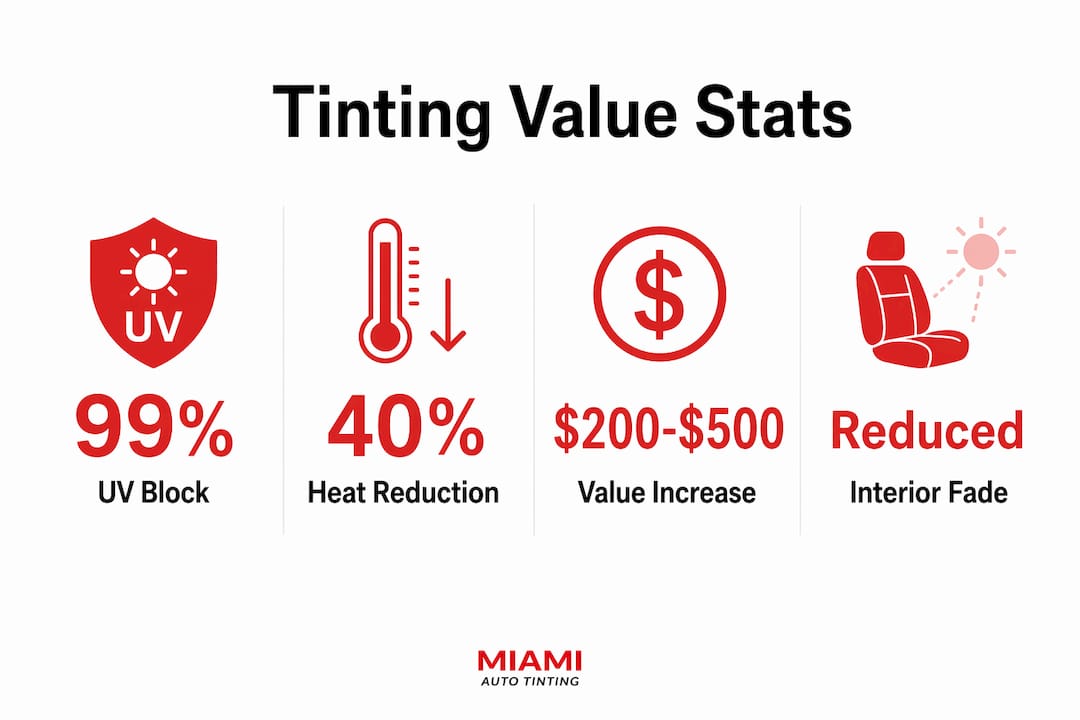
High-quality tint films block up to 99% of UV rays and reduce cabin temperature by up to 40%. That combination matters because heat and UV radiation work together to break down interior materials. Less heat means the dashboard does not warp. Less UV means the seats do not fade or crack prematurely.
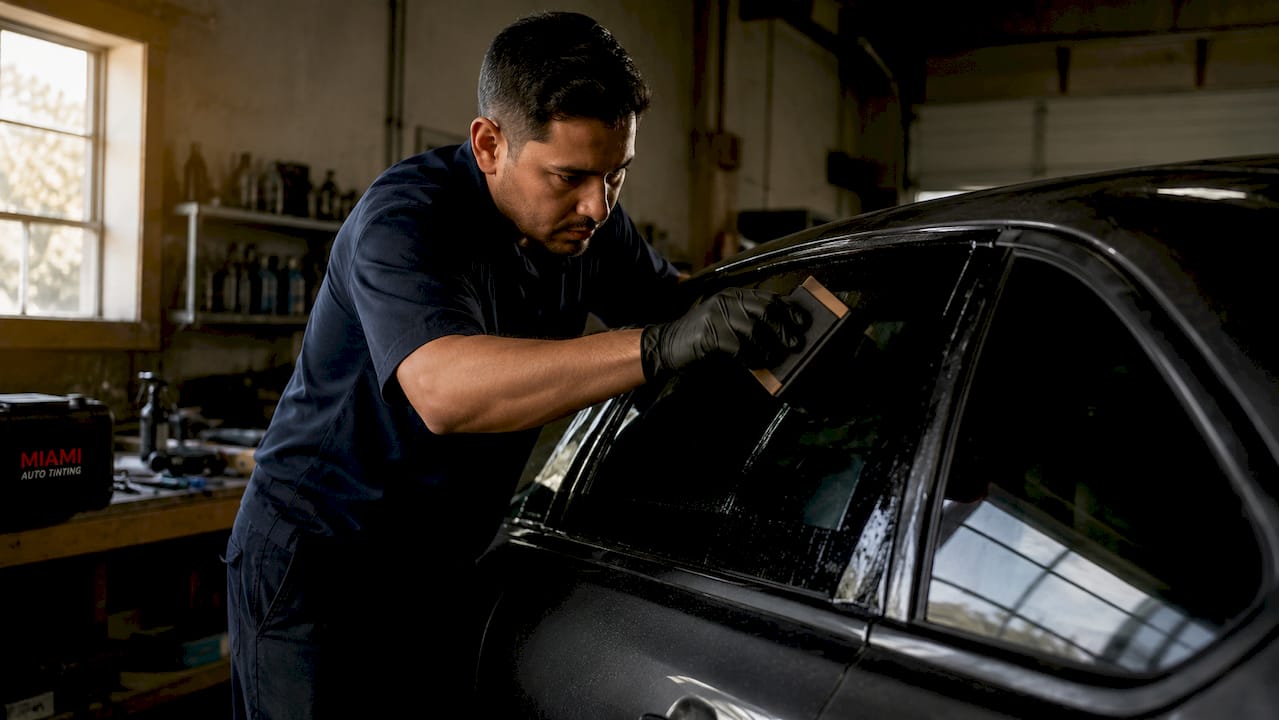
Interior preservation is the core mechanism by which tinting supports vehicle value. A buyer who opens the door and sees a clean, unfaded interior assumes the car was cared for. That perception translates directly into confidence and willingness to pay closer to asking price.
The air conditioning benefit is also real. A cooler cabin means the AC system runs less aggressively over the vehicle's life. Reduced AC strain can lower the risk of compressor wear, which is one of the more expensive repairs a buyer might factor into a negotiation.
Pro Tip: Pair window tinting with regular interior detailing. Tint slows UV damage, but conditioning leather and cleaning plastics keeps the interior looking its best for listing photos and showings.
Key interior benefits of quality window tint include:
- Blocks UV rays that fade upholstery, carpets, and dashboard surfaces
- Reduces cabin heat that causes cracking and warping of plastic trim
- Keeps interior materials looking newer for longer, improving buyer perception
- Lowers AC demand, reducing long-term mechanical wear
- Protects against UV damage to car interiors in high-sun climates like Miami
In what ways does tinting improve exterior appearance and curb appeal?
A car's first impression happens before anyone opens a door. Window tinting gives a vehicle a clean, finished look that factory glass alone rarely achieves. That visual upgrade matters both in person and in online listings, where buyers make snap judgments from photos.
Uniform, clean tint without defects enhances exterior aesthetics and provides privacy that buyers find desirable. Tinted windows complement a car's body lines and give it a more cohesive, intentional appearance. A silver sedan with clean, matched tint looks more expensive than the same car with bare, reflective glass.
Online listings are where most car sales begin. Tinted windows reduce interior glare in photos, making the cabin look cleaner and the exterior more polished. Buyers scrolling through listings respond to cars that look well presented. A car with quality tint photographs better and attracts more clicks.
Appearance benefits that tinting delivers for resale include:
- Creates a modern, unified look that elevates the vehicle's perceived quality
- Reduces interior glare in listing photos, making the car look cleaner
- Adds privacy that many buyers actively seek, especially for family vehicles
- Complements body lines and gives the car a more finished, premium appearance
- Signals that the owner invested in the vehicle beyond basic maintenance
Pro Tip: Choose a tint shade that complements your car's color. Darker cars often look sharp with a medium shade, while lighter cars can appear washed out with very light tint. A professional installer can show you samples before committing.
What factors affect how much tinting adds to your vehicle's resale value?
Not all tint adds value. The wrong installation or the wrong shade can actually cost you money when you sell. Understanding what separates value-adding tint from value-reducing tint is the most practical knowledge a seller can have.
Professional installation avoids bubbling, peeling, and defects that hurt buyer confidence. A buyer who sees bubbled or peeling tint does not think "easy fix." They think "what else was done cheaply?" That perception can drop an offer by more than the cost of a professional installation.
Illegal or overly dark tint raises red flags that lower offers or trade-in value. Florida law sets specific limits on visible light transmission for each window. Tint that violates those limits forces the buyer to factor in removal costs and potential fines. Dealers will subtract that cost from a trade-in offer without hesitation.
Industry estimates suggest that quality tint adds roughly $200–$500 in resale value depending on the vehicle's condition and the film used. That figure is not guaranteed, but it reflects the real-world perception premium that clean, legal, professional tint creates.
| Tint scenario | Resale impact |
|---|---|
| Professional install, legal shade, quality film | Adds $200–$500 in perceived value |
| DIY install with bubbling or peeling | Reduces buyer confidence, lowers offers |
| Illegal darkness level | Buyer factors in removal cost, dealer deducts it |
| Deteriorated or failed tint | Signals deferred maintenance, hurts trade-in value |
Failed or deteriorated tint is often interpreted as deferred maintenance. Dealers may remove it and subtract the removal cost from your trade-in offer. That is a direct financial penalty for a problem that a quality installation would have prevented.
Pro Tip: Before listing your car, inspect the tint in direct sunlight. Look for bubbles, purple discoloration, or peeling edges. If you see any of those signs, replace the tint before showing the car. The cost of replacement is almost always less than the negotiating leverage a buyer gains from pointing it out.
How does tinting improve buyer interest and speed up the sale?
Resale value is not only about the final number. It also includes how quickly you sell and how much negotiating leverage you hold. Tinting influences both.
-
Tint signals good vehicle care. Buyers interpret quality tint as evidence that the owner invested in the car. That perception reduces their concern about hidden problems and makes them more willing to pay asking price.
-
Comfort improvements attract more buyers. Reduced glare and lower cabin heat are features buyers notice during a test drive. A car that feels comfortable on a hot Miami afternoon is more memorable than one that feels like an oven.
-
Tinted cars stand out in online listings. A vehicle with clean, matched tint photographs better and draws more inquiries. More inquiries mean more competition among buyers, which supports your asking price.
-
Tinting can speed up the sale. Tinting improves buyer interest by enhancing comfort, privacy, and appearance, which can speed the sale and improve negotiation outcomes. A faster sale also means fewer days of depreciation and carrying costs.
-
Better perceived condition reduces negotiation room. A buyer who finds nothing to complain about has less leverage to push the price down. Clean tint removes one of the most common objections buyers use to justify a lower offer.
The resale value impact is mainly perception-driven. Tinting enhances appearance and signals care rather than delivering a guaranteed monetary premium. That distinction matters because it means the quality of your tint and the care you take in maintaining it directly determine how much value it adds.
Key Takeaways
Window tinting adds resale value by protecting the interior, improving appearance, and signaling good maintenance, but only when the installation is professional, the shade is legal, and the film is high quality.
| Point | Details |
|---|---|
| Interior protection drives value | Quality tint blocks up to 99% UV rays, slowing fading and cracking that buyers penalize. |
| Appearance lifts buyer perception | Clean, uniform tint improves listing photos and gives the car a more finished look. |
| Professional install is non-negotiable | Bubbling or peeling tint signals neglect and reduces offers more than the cost of a proper job. |
| Legal shade protects your price | Illegal tint forces buyers to factor in removal costs, which dealers deduct from trade-in offers. |
| Tinting speeds up the sale | Comfort and appearance improvements attract more buyers and reduce negotiation leverage against you. |
What I've learned about tinting for resale after years in Miami
Most car owners think about tinting as a comfort upgrade. The resale angle is an afterthought. That is a mistake, and I have seen it cost sellers real money.
The cars that get the best offers are the ones where every detail looks intentional. Clean tint is part of that picture. When a buyer sits in a car with quality ceramic tint on a hot day and the cabin is noticeably cooler, they feel the value. They do not negotiate as hard. That is not a coincidence.
The biggest pitfall I see is owners who tinted their car years ago with a cheap film and never replaced it. Purple, bubbled tint is one of the first things a sharp buyer points to when they want to knock down the price. And they are right to point it out. Deteriorated tint is a visible sign of deferred care, even if everything else on the car is perfect.
My honest advice: if you are planning to sell within the next year, inspect your tint now. If it is showing any signs of failure, replace it with a quality film from a professional installer. Choose a shade that is legal in Florida and tasteful for your car's color. The investment is modest. The return in buyer confidence and negotiating position is worth it.
Tinting is not a magic number adder. It is part of a broader presentation strategy. Pair it with a clean detail, fresh tires, and a service record, and you are presenting a car that buyers trust. That trust is what closes deals at asking price.
— Jose
Southmiamitint's ceramic tint service for your resale prep
If you are getting your car ready to sell, the quality of your tint installation matters more than most sellers realize. Southmiamitint offers mobile ceramic window tinting starting from $249, using 3M IR, 3M Color Stable, and Iviron Kollmax ceramic films. The service comes to you anywhere in Miami-Dade, so there is no need to drop off your car or rearrange your schedule.
Southmiamitint's ceramic films block UV rays and reduce cabin heat, protecting the interior condition that buyers pay attention to. Every installation is done by a professional, so you get clean, defect-free results that add to your car's appeal rather than subtract from it. If your current tint is showing its age, Southmiamitint can replace it before your first showing. Check 3M tint options in Miami to find the right film for your vehicle and budget.
FAQ
Does window tinting actually raise a car's resale value?
Yes. Quality window tint adds an estimated $200–$500 in resale value by improving appearance and protecting the interior from UV damage. The actual amount depends on installation quality, film type, and legal compliance.
What type of tint is best for resale value?
Ceramic films like 3M IR and Iviron Kollmax ceramic tint offer the best combination of UV protection, heat rejection, and long-term appearance. They resist fading and discoloration better than dyed films, which means they still look good years after installation.
Can bad tint hurt my car's resale value?
Yes. Bubbling, peeling, or illegally dark tint signals neglect and gives buyers a reason to lower their offer. Dealers will often deduct the removal cost directly from a trade-in price.
How does tinting affect the selling process beyond the final price?
Tinting improves buyer comfort during test drives and makes the car look better in listing photos. Both factors attract more interest and reduce the negotiating leverage buyers use to push prices down.
Is window tinting worth it if I plan to sell soon?
Yes, as long as you use a professional installer and choose a legal shade. The cost of quality tinting is typically recovered through better offers, faster sales, and reduced buyer objections.