
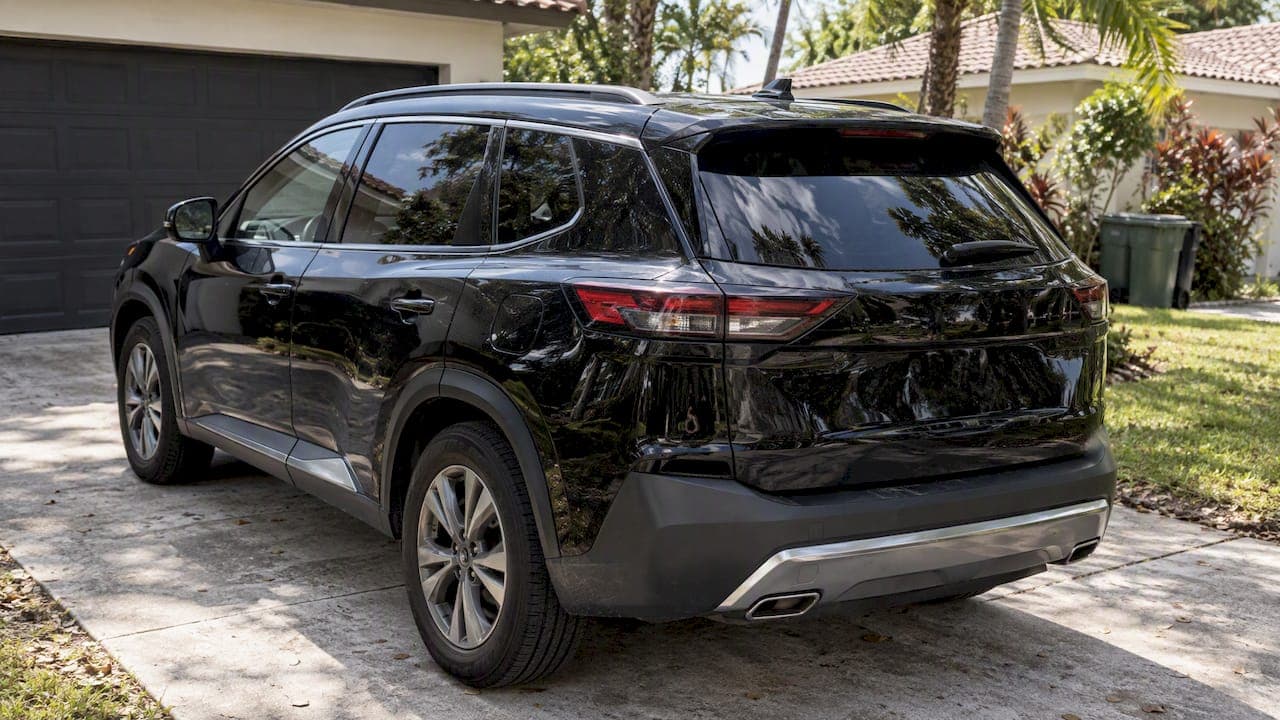
For privacy and real heat protection in an SUV cargo area, a professionally installed high-IR ceramic film can be more effective than factory privacy glass. Pick a shade by its VLT (visible light transmission), keep it consistent with federal glazing rules, and leave the curved hatch glass to a specialist. We install these films at Southmiamitint, and the glass is where most DIY jobs go wrong.
TL;DR:
- Ceramic films can block 90% or more of infrared heat, and lighter shades may outperform darker dyed films; compare IR ratings, not VLT alone.
- Choose the lightest VLT that meets your privacy needs, since darker windows reduce night visibility; verify current state limits and federal glazing rules first.
- Curved hatch glass needs professional heat shrinking; one sheet looks cleaner but demands skill, while a split install fits steep curves and leaves a seam.
- After installation, wait several days before cleaning; use a cleaner without ammonia and soft microfiber, and avoid scraping near defroster lines.
- A cargo cover offers removable concealment but does not block heat; pair it with film when you want temporary hiding and daily solar protection.
Table of Contents
- How is factory privacy glass different from aftermarket tint film?
- Which film type is best for SUV cargo privacy?
- How do installers handle large curved rear and hatch glass?
- How do you pick the right VLT for your cargo windows?
- How do you clean and care for tinted cargo windows?
- How much does it cost to tint SUV cargo windows?
- Is privacy tint better than a cargo cover or privacy screen?
- An installer's view: why IR performance often beats the darkest shade
- How our mobile tinting solves SUV cargo privacy and heat problems
- FAQ
- Sources
How is factory privacy glass different from aftermarket tint film?
Factory privacy glass is dyed glass, not a film. The tint is built into the glass itself, which gives you a visual barrier but not much heat control. Aftermarket film is a separate layer applied to the inside surface, and the better families are engineered around infrared (IR) energy, the part of sunlight you feel as heat.
Here is what that means in practice:
- Factory privacy glass hides cargo from view and trims some glare, but it is styled for looks first.
- Dyed glass cannot be upgraded later, so if it lets too much heat in, the only fix is film over it.
- Ceramic film targets IR directly, so you can keep a lighter, more visible shade and still cool the cabin.
- Glass suppliers treat solar control glazing as its own engineered product, distinct from privacy styling, which is why the two are not interchangeable.
Factory privacy glass is dyed rather than filmed, and it is significantly less effective at blocking infrared energy than high-performance ceramic films, which can block up to 90% or more of infrared heat. Darkness alone does not tell you how much heat gets through.
Which film type is best for SUV cargo privacy?
Ceramic is our pick for most SUV owners. It rejects IR heat without needing a very dark shade, it holds its color, and it does not interfere with phone, GPS or radio signals. That combination matters on a big cargo area, where the sun bakes whatever you leave inside.
Here is how the main families compare:
- Ceramic: best heat rejection at lighter VLTs, fade resistant, no signal interference. Higher cost.
- Carbon: matte look, good heat control, strong durability, no signal issues. A solid middle option.
- Metallic or IR-reflective: effective at reflecting heat, but metal content can interfere with electronics.
- Dyed: the lowest price and the darkest look, but it offers the least heat rejection and can fade or purple over time.
- Reflective: a mirror-like finish that adds privacy in daylight but draws attention and varies in legality.
For shade, think in terms of your priority. If privacy comes first, many owners choose a darker VLT in the range of the factory glass. If heat comes first, a lighter ceramic can outperform a much darker dyed film. If night visibility matters most, stay lighter.
Pro Tip: Ask for the IR rejection rating of the film, not just the shade number. Two films with the same VLT can perform very differently in the sun.
Our blog post on SUV tinting options goes deeper on film families, and our look at truck cabin heat shows why IR rejection beats darker shades.
How do installers handle large curved rear and hatch glass?
Rear and cargo glass is the hardest glass on an SUV. It curves in more than one direction, so flat film wrinkles unless the installer shrinks it to fit. This is why we do not recommend learning on a hatch.

Installers choose between two methods. A one-piece install covers the whole glass with a single sheet, which looks cleanest but needs a very skilled shrink. A two-piece install splits the film where the curve is steepest, which is easier to fit on extreme curvature but leaves a seam. The curvature of your specific glass decides which one makes sense.
The usual process looks like this:
- Clean and prep the glass inside and out, removing dust, adhesive residue and any old film.
- Cut a pattern from a roll of film, either by hand or with a computer cutter matched to your vehicle.
- Heat shrink the film on the outside of the glass with a heat gun so it lies flat across the compound curve.
- Apply the film to the inside surface with slip solution, then squeegee out the water from the center outward.
- Work around the defroster lines, pressing the film into the ridges so it bonds without lifting, bubbling or trapping air.
- Trim, seal edges and let it cure so the adhesive sets fully.
Common problems are fingers (unshrunk creases), dust under the film, and poor adhesion over the defroster grid. Experienced installers prevent them with clean conditions, the right tools and patience on the shrink. Take care with defrosters yourself: scraping or rough handling can damage the lines.
How do you pick the right VLT for your cargo windows?
VLT is the percentage of visible light that passes through the glass and film together. A lower number means a darker window, more privacy, and less visibility at night, which matters when you back up in the dark.
Our rule of thumb is to choose the lightest VLT that still gives you the privacy you want. Pair it with a ceramic film and you can get heat control without going extremely dark.
- Privacy first: darker shades, similar to factory privacy glass, hide the cargo area well.
- Balanced: a medium shade keeps some visibility while still reducing glare and hiding items.
- Visibility first: lighter ceramic gives the clearest night view and still blocks IR heat.
- Check your local limits: tint rules vary, and our guide to local tint regulations is a good place to start.
Federal glazing rules under 49 CFR 393.60 set minimum glazing requirements and cover coloring of windshields and certain side windows, so treat them as background, since state limits still vary. Confirm the current rules for your area before you choose a shade.
How do you clean and care for tinted cargo windows?
Good care keeps film clear and bonded for years. Wait several days after installation before cleaning so the adhesive can cure, and do not roll the windows down in that period if they are side glass.
- Use non-ammonia cleaners. Ammonia can break down the film and cloud the finish.
- Wipe with soft microfiber. Paper towels and rough cloths leave scratches.
- Skip sharp tools and abrasive pads near the film and defroster lines.
- Return to your installer if you see peeling edges, bubbles that grow, or lifting adhesive.
If you also want a removable layer of concealment, a cargo shade works alongside film. The GMC cargo area shade is one example: retractable, easy to remove, and a way to hide items and add sun protection without changing the glass.
How much does it cost to tint SUV cargo windows?
Price depends on the film family, how many windows you tint, and how complex the glass is. Dyed film costs the least, carbon sits in the middle, and ceramic costs the most. The rear hatch takes extra labor because of the curve and the defroster lines, so expect it to cost more per window than flat side glass.

Here is what we publish for our own services. Tinting two front windows starts at $150, a windshield tint starts at $150, and a full car plus windshield starts at $500. See our ceramic window tint page for details about our mobile ceramic tint. Prices for cargo-only jobs depend on your vehicle and film, so we quote those on request.
A few things push the number up or down:
- Film choice: ceramic costs more up front but rejects far more heat.
- Number of windows: tinting all cargo glass together is usually better value than doing it piece by piece.
- Old tint removal: stripping failed film adds time before the new film goes on.
- Vehicle size and glass shape: a large SUV with a steeply curved hatch takes longer.
You can see more on our mobile window tinting prices page. A good rule is to compare quotes by film type and warranty, not just the lowest number, because cheap film that fades or bubbles ends up costing you twice.
Is privacy tint better than a cargo cover or privacy screen?
It depends on what you want to protect and for how long. A cargo shade or retractable cover hides items inside the vehicle, costs little, and goes in or out in seconds. It does nothing for the glass itself, so heat and UV still pour through the windows.
Tint works on the glass all day, every day. It hides cargo from the outside, cuts glare, and, with ceramic film, rejects IR heat. You cannot forget to deploy it, and it protects the interior surfaces and anything stored in the back.
- Choose a cover or screen if you only need occasional concealment, want a removable option, or are not ready to commit to film.
- Choose tint if you want permanent privacy, steady heat reduction and a clean look from outside.
- Use both when you want maximum concealment: film for daily heat and visibility control, a shade for the moments you want the cargo area fully hidden.
The two options are not rivals so much as layers. Covers handle temporary jobs, and film handles the underlying heat and privacy problem. If your SUV sits in the sun, the film does the heavier lifting.
One more note on durability: sun exposure breaks down cheap materials of every kind. This technical piece on UV-resistant resins explains why low-quality materials yellow in the sun, the same reason we steer you toward fade-resistant ceramic film over bargain dyed options.
An installer's view: why IR performance often beats the darkest shade
Most people ask for dark first, but heat is what you notice every day. If your SUV lives in hot weather and you carry gear, groceries or pets, IR rejection protects the cargo and the interior far better than raw darkness. Go darker only when privacy is the whole goal. For curved rear glass, hire a pro, because a rough install shows every day. Our crew has done this work across Miami-Dade for years, and the rear hatch is where we spend the most care.
— Jose
How our mobile tinting solves SUV cargo privacy and heat problems
We come to you and tint your SUV where it is parked, with computer-cut patterns and installers who work on curved hatch glass all the time.
- 3M Ceramic IR and Color Stable films, plus Iviron KoolMax ceramic tint
- Rear and hatch glass installs, with old tint removal if needed
- Online quotes and scheduling are available.
See our 3M window tinting options or get a quote for your SUV today.
FAQ
What percent tint is on SUVs?
Many SUVs come with factory privacy glass on the rear windows, which is dyed glass rather than a film. It is typically fairly dark, but the exact VLT varies by make and model. Check your vehicle's glass markings or ask your installer to measure it.
What is a privacy tint?
A privacy tint is a darker window shade that makes it hard to see into the vehicle from outside. It can be factory dyed glass or an aftermarket film applied to the inside of the window. It is mostly used on rear and cargo windows.
Does tint protect the car interior?
Yes. Quality film reduces glare, heat and sun exposure that fade and dry out seats, dashboards and cargo. Ceramic films do this best because they target infrared energy, and federal glazing rules still apply to the windows you can legally tint.
Does privacy glass stop UV?
Factory privacy glass can reduce some UV and heat, but it is engineered mainly for styling and is a different product from aftermarket IR-blocking film. If UV and heat protection are your goal, ceramic film adds more.