
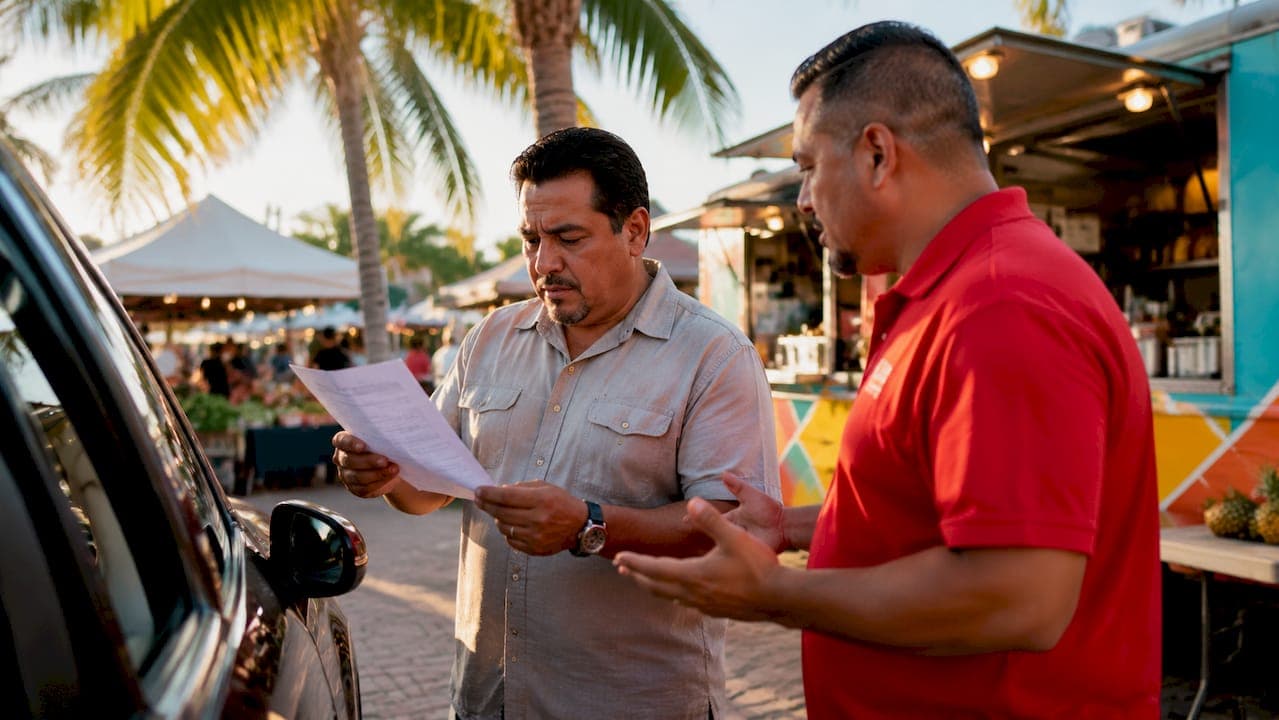
Asking the right questions to ask tinting pros is the single most effective way to avoid a bad install, an illegal tint job, or a warranty that evaporates the moment you need it. Florida car owners face specific challenges: intense UV exposure, strict VLT regulations, and humidity that punishes poor installation environments. The best tinting professionals answer questions about film brand, technical data, legal compliance, and warranty coverage without hesitation. Any shop that deflects or gives vague answers is telling you something important.
1. What questions should you ask about film quality and type?
Film quality is the foundation of every tinting decision. Ask the installer for the exact brand and product line, not just a category like "ceramic." A shop offering genuine ceramic film should name it specifically, such as 3M Ceramic IR or Iviron Kollmax ceramic tint, and hand you a Technical Data Sheet on request.
The TDS is non-negotiable. UV rejection ratings of 99% or higher are the industry standard, and the TDS also lists Total Solar Energy Rejected (TSER) and infrared rejection percentages. These numbers tell you how much heat and radiation the film actually blocks, not just what the marketing says.
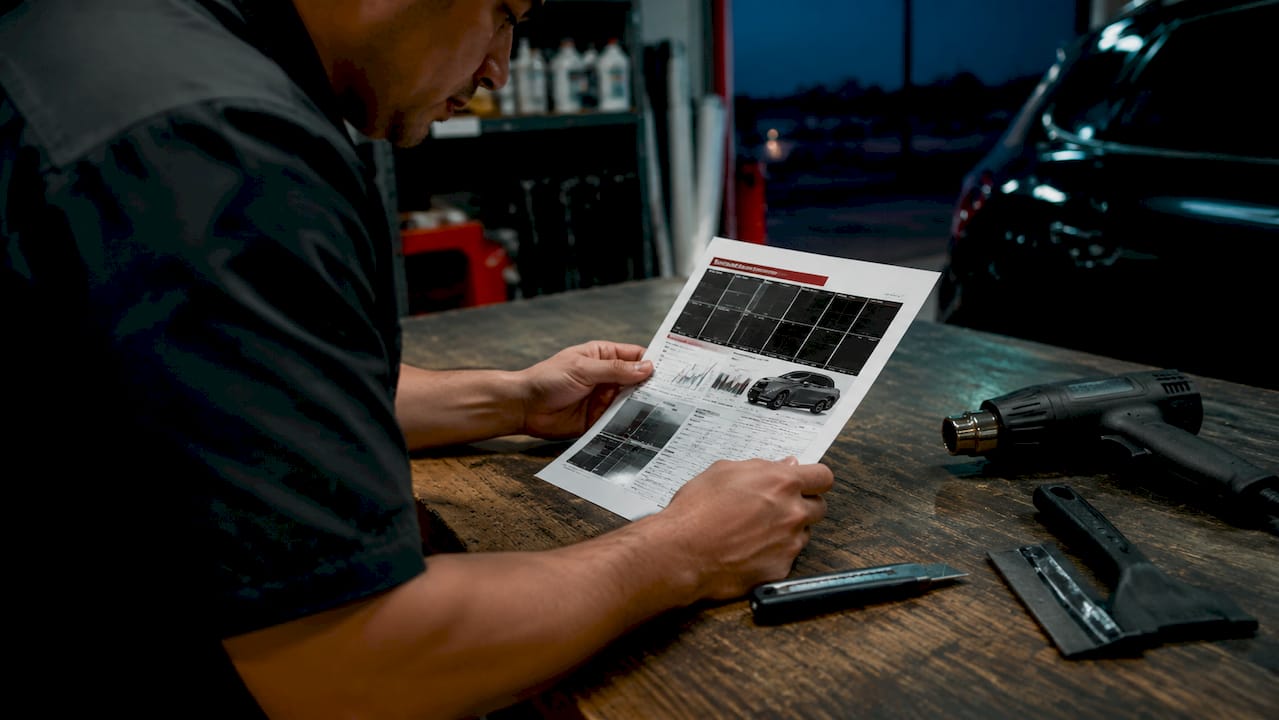
Ask for a heat lamp demonstration. Seeing heat rejection with a live demo cuts through marketing language instantly. You feel the difference between a true ceramic film and a dyed or ceramic-infused film with your hand, not your eyes.
Dyed films fade and turn purple within a few years in Florida's sun. Ceramic-infused films are a step up but still not the same as true ceramic. True ceramic films use nano-ceramic particles that block infrared heat without affecting visibility or signal reception.
Pro Tip: Ask the shop to show you the TDS before you book. Shops that refuse to provide technical data or skip the heat demo are a red flag. Walk away.
2. What do you need to know about Florida's legal tint requirements?
Florida law sets specific Visible Light Transmission (VLT) limits for each window on your car. Getting this wrong costs you money in fines and forces you to remove and replace the film. Ask your installer exactly what VLT percentage they plan to apply to each window and confirm it meets Florida's current limits.
- Ask whether the front side windows will meet the legal minimum VLT for Florida.
- Confirm the rear side and back windows are within the permitted range for your vehicle type.
- Ask if the shop provides a film-applied compliance sticker or documentation for law enforcement stops.
- Request written confirmation of the VLT applied to each window on your receipt.
Florida law requires that the compliance sticker be placed between the film and the glass on the driver's side window. A professional shop knows this and does it automatically. If your installer seems unfamiliar with this requirement, that is a serious warning sign.
The consequences of illegal tint go beyond a ticket. Law enforcement can require you to remove the film on the spot or within a set timeframe. Removal costs money, and you lose the film entirely. Getting the VLT right the first time protects your investment.
For a detailed breakdown of what is legal in Miami-Dade, the Florida tint law guide from Southmiamitint covers VLT limits, exemptions, and enforcement specifics. Local Miami tint regulations add another layer of context for drivers in the area.
3. What questions reveal the quality of the installation process?
The installation environment matters as much as the film brand. A climate-controlled install bay with humidity below 60% and active dust control is the standard for professional shops. Dust particles trapped under the film create permanent specks that no amount of cleaning will fix.
Ask these specific questions before you commit:
- Is the install bay climate controlled with humidity management?
- Are technicians trained and certified on the specific film brand being applied?
- How is the glass prepped before film application?
- Are film edges cut by hand or with a plotter, and how are they finished?
- Can I see close-up photos of recent completed work?
When reviewing photos, look at the edges and the rear window. Tight micro-edges and no air pockets near the rear defroster matrix lines are the marks of a skilled installer. Air pockets near defroster lines are one of the most common failure points and one of the hardest to fix after the fact.
Technician certification matters more than years in business. A shop that has been open for a decade but never trained on 3M Ceramic IR will apply it differently than a certified 3M installer. Ask specifically whether the technician working on your car is trained on the film you are purchasing.
Pro Tip: A quick phone screening asking about film brand, product line, and install bay conditions takes five minutes and filters out amateur shops before you ever visit. Do it before booking.
For a local perspective on what a professional installation inspection looks like, the South Florida tint inspection guide from Southmiamitint walks through the key checkpoints.
4. What should you ask about warranty coverage and aftercare?
A warranty is only as good as what it covers and who backs it. Ask whether the warranty is manufacturer-backed or shop-backed. Manufacturer warranties from brands like 3M carry more weight because they are tied to the film itself, not just the shop's continued operation.
- Ask what specific defects the warranty covers: bubbling, peeling, cracking, color change, and adhesive failure.
- Confirm the warranty duration. A professional-grade warranty covers these defects for seven or more years.
- Ask whether the warranty is transferable to a future owner if you sell the car.
- Request that the exact brand and product line appear on your written receipt.
- Ask what voids the warranty, including cleaning products and window operation timing.
Warranty transferability is something most car owners never think to ask about. A transferable warranty adds real resale value to your car. It tells the next buyer the tint is protected, and it gives you a selling point when the time comes.
The curing process is the other area where aftercare questions matter. After installation, temporary haze and moisture between the film and glass are normal. Ask the shop exactly how long to wait before rolling down windows and what cleaning products are safe to use. Using ammonia-based cleaners on tinted windows damages the film and voids most warranties.
Having the brand and product line documented on your receipt protects you from bait-and-switch situations and makes warranty claims straightforward. If the receipt just says "ceramic tint," you have no proof of what was actually installed.
5. How do cost, longevity, and energy savings factor into your questions?
Price is a legitimate factor, but it is not the right starting point. Ask how pricing is structured and what drives the cost difference between film options. A shop that cannot explain why one film costs more than another probably does not understand the products it sells.
- Ask how long the film is expected to last under Florida sun exposure.
- Ask whether the film has been tested for color stability, since purple tinting is a common failure in cheaper films.
- Ask about estimated cabin temperature reduction and whether the shop can quantify it.
- Ask whether the film protects interior surfaces from UV-related fading.
Premium films and proper installation reduce fading, prevent purple tinting, and deliver better heat rejection over the long term. The upfront cost difference between a quality ceramic film and a budget dyed film is real, but so is the cost of replacing a failed film in two years.
Florida's heat makes longevity a financial question, not just a comfort question. A film that degrades in three years under Miami sun costs more over a decade than a premium ceramic film installed once and backed by a seven-year warranty. Frame your cost questions around total value, not just today's price.
Key takeaways
Asking the right questions before hiring a tinting professional protects your investment, keeps your car legal in Florida, and ensures the film performs for years.
| Point | Details |
|---|---|
| Demand a Technical Data Sheet | Request UV, TSER, and IR rejection data before agreeing to any film. |
| Confirm Florida VLT compliance | Ask for the exact VLT per window and a compliance sticker on your receipt. |
| Verify the install environment | A climate-controlled bay with humidity below 60% is the professional standard. |
| Get warranty details in writing | Confirm coverage duration, transferability, and the exact film product line on your receipt. |
| Balance cost against longevity | Premium ceramic films cost more upfront but outlast budget options in Florida's climate. |
What I've learned from watching bad installs get avoided
The car owners who walk away satisfied are almost always the ones who asked uncomfortable questions before booking. I've seen jobs where the customer assumed "ceramic" meant the same thing at every shop. It does not. One shop's ceramic is a nano-ceramic film with documented 99% UV rejection. Another shop's ceramic is a dyed film with ceramic particles mixed in, marketed with the same word.
The warranty transferability question is the one most people skip. I understand why. You're thinking about your car today, not the buyer two years from now. But a transferable warranty is a real asset. It signals to any future buyer that the tint was done right and is still protected. That's worth asking about even if you plan to keep the car forever.
The detail that surprises people most is how much the install environment matters. You can put a premium 3M Ceramic IR film in a dusty, humid garage and get a result that looks terrible within a year. The professional installation difference is not just about skill. It's about the controlled conditions that let the film bond correctly from day one.
Ask every question on this list before you hand over your keys. A professional shop will answer all of them without hesitation. That confidence is itself a quality signal.
— Jose
Southmiamitint answers every question before you book
Southmiamitint installs 3M Ceramic IR and 3M Color Stable films along with Iviron Kollmax ceramic tint across Miami-Dade, with every job done in a climate-controlled environment by trained technicians. Technical Data Sheets are available for every film on the menu, and compliance stickers are applied as standard on every Florida vehicle.
Every installation comes with a manufacturer-backed warranty documented on your receipt, including the exact brand and product line. Southmiamitint also offers fully mobile service, so the professional install bay comes to you. Request a fast tint quote and get clear answers to every question covered in this guide before your appointment is even scheduled.
FAQ
What VLT is legal for front side windows in Florida?
Florida law requires front side windows to allow more than 28% VLT. A professional installer confirms the exact percentage and provides a compliance sticker between the film and glass.
How do I verify a shop is using genuine ceramic film?
Ask for the Technical Data Sheet showing UV, TSER, and infrared rejection metrics. Shops using genuine ceramic film provide this without hesitation and can demonstrate heat rejection with a heat lamp.
How long should I wait before rolling down windows after tinting?
Most professional shops recommend waiting at least 48–72 hours after installation before rolling windows down. The exact timeline depends on the film and Florida's humidity, so ask your installer for written aftercare instructions.
What does a professional window tint warranty cover?
A professional-grade warranty covers bubbling, peeling, cracking, color change, and adhesive failure for seven or more years. Confirm the warranty is manufacturer-backed and transferable before you book.
Can I clean my windows immediately after tinting?
Cleaning tinted windows too soon or with ammonia-based products damages the film and voids most warranties. Ask your installer for the approved cleaning products and the earliest safe date to clean after installation.