
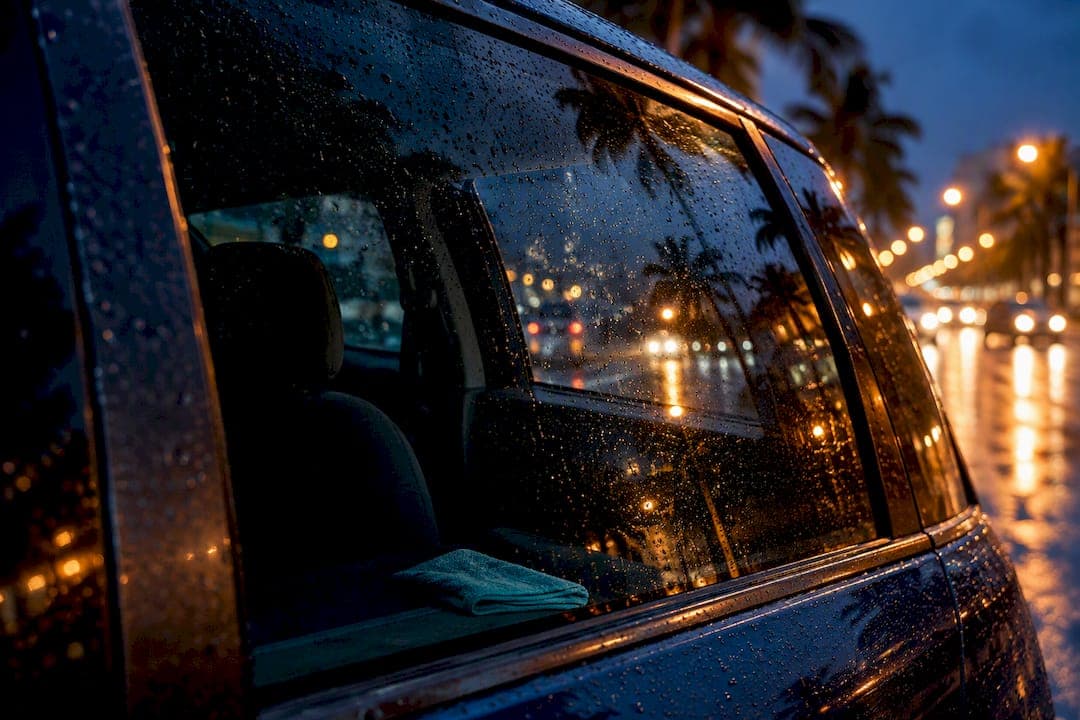
For most minivan owners, a non-metallic nano-ceramic film in the 20% to 35% VLT range delivers the best mix of heat rejection, UV protection, and electronics compatibility. Ceramic tint outperforms cheaper dyed or metalized films on nearly every measure that matters to a family vehicle. Just remember that legal tint darkness varies by state, so confirm your local VLT limit before booking an install.
TL;DR:
- Most minivan owners should choose a nano-ceramic film between 20% and 35% VLT for optimal heat rejection and UV protection without interfering with electronics.
- Legal tint limits vary significantly by state, with front windows typically restricted to around 70% VLT, while rear windows can often go darker depending on local laws.
- Professional installation is highly recommended for curved rear windows and hatch glass to ensure proper fit and avoid installation errors or damage.
- Curing takes approximately 15 to 20 days, during which windows should not be rolled down or washed, especially in cold or humid weather.
- Tinting can reduce cabin temperature, block UV rays, and improve privacy, but darker shades may impair night visibility and reaction time in low-light conditions.
Table of Contents
- What Types of Minivan Window Tint Actually Work Best?
- How Dark Can You Legally Tint a Minivan?
- What Are the Real Benefits of Tinting a Minivan?
- How Do You Choose the Right Tint for Your Minivan?
- What Does Minivan Window Tint Installation Cost?
- How Long Does Minivan Tint Take to Cure?
- Why Is Tinting Minivan Windows Harder Than Tinting a Sedan?
- Does Tinted Glass Change How Well You See at Night or in Rain?
- How Should You Clean and Maintain Tinted Minivan Windows?
- How Do You Judge Tint Film Quality and Warranty Terms?
- Does Tinting a Minivan Actually Save Energy?
- Why Mobile Ceramic Installs Make Sense for Minivans
- Ready for a Mobile Ceramic Tint Install?
- Sources
- FAQ
What Types of Minivan Window Tint Actually Work Best?
Not all window film does the same job, and the differences matter more on a minivan than on a small sedan because you're covering more glass, including larger rear quarter windows and a wide back hatch.
- Dyed film absorbs heat with a layer of dye but offers the weakest infrared rejection and tends to fade over several years. It's the cheapest option and fine for basic glare and privacy needs, but it won't do much for cabin temperature.
- Carbon film blocks more infrared heat than dyed film and resists fading better, without the shine some metalized films leave behind.
- Metalized film reflects heat effectively using tiny metallic particles, but that same metal content can interfere with GPS, satellite radio, and cell signal, a real concern for families running phones and tablets for backseat entertainment.
- Hybrid film blends dye and metal to split the difference, though it rarely matches dedicated ceramic film on either heat rejection or clarity.
- Ceramic (nano-ceramic) film uses ceramic particles instead of metal or dye, so it delivers strong heat and UV rejection without any electronics interference.
- Crystalline film is a specialty clear or near-clear option, useful when someone wants heat rejection on a windshield without darkening it.
3M's Ceramic IR series is a clear example of why ceramic has become the default recommendation for minivans: it's non-metallic, so it won't mess with your key fob or hands-free system, and manufacturer data shows strong total solar energy rejection along with high infrared rejection. Carbon film remains a reasonable budget step-up from dyed if a full ceramic install isn't in the cards yet, and crystalline film is worth asking about specifically for windshields. Precut kits, like the Rvinyl carbon ceramic kits cut for specific minivan models, work fine for a confident DIYer on flat glass, but professional film and installation are worth the money on curved rear quarter windows and hatch glass where a factory-cut pattern actually fits.
How Dark Can You Legally Tint a Minivan?
VLT stands for visible light transmission, the percentage of light that passes through the glass. Lower numbers mean darker glass: 5% VLT is what people call "limo tint," 20% is dark but common, 35% is medium, and 70% is barely noticeable, according to AAA's breakdown of tint types.
The 70% baseline: NHTSA's interpretation of FMVSS No. 205 treats 70% light transmittance as the threshold for glazing considered "requisite for driving visibility," meaning windshields and front windows in many states can't legally go much darker than that without a documented exception.
That federal standard mainly binds manufacturers, dealers, and repair businesses, who can face penalties for installing noncompliant glazing. Individual vehicle owners have more room to modify their own vehicles, but NHTSA's separate guidance still points owners back to their state's operating laws, which is where the real variability lives.
- Front side windows: often restricted to 70% VLT or lighter in many states.
- Rear side and rear windows: frequently allowed darker, sometimes down to 20% or even 5% depending on the state.
- Windshields: almost universally limited to a narrow strip along the top, if tinting is allowed there at all.
- Compliance stickers: some states, like Connecticut at 65% VLT, require a visible sticker certifying legal film.
State tint limits vary enough that the same 20% film legal on your minivan's back windows in one state could get you a ticket in another. Check your state's specific rule for each window position before you commit to a shade, and read more on how VLT affects nighttime visibility if you drive a lot after dark.
What Are the Real Benefits of Tinting a Minivan?
A minivan's glass area is enormous compared to most sedans, which means both the upside and the stakes of tinting are bigger too.
- Heat rejection: 3M's Ceramic IR product data shows strong total solar energy rejection and high infrared rejection levels that help lower cabin temperature on hot days, especially for vehicles with multiple glass rows.
- UV protection: Ceramic films effectively block nearly all UV rays, which helps protect skin exposure during long drives and reduces fading of interior materials.
- Glare reduction: Less windshield and side glare makes it easier for the driver to see the road, and easier for kids to see tablet or DVD screens without constant screen glare washing out the picture.
- Privacy: Darker rear windows keep car seats, bags, and passengers out of view at stoplights and parking lots.
- Shatter resistance: Quality film adds a layer of holding strength to glass, so it's less likely to scatter if a window breaks.
The trade-off to weigh is night visibility. Going too dark on front windows can make it harder to see mirrors and cross traffic after sunset, which is exactly why NHTSA's 70% guidance exists in the first place. A mid-range ceramic film keeps that balance intact instead of forcing you to choose between heat rejection and seeing clearly at night.
How Do You Choose the Right Tint for Your Minivan?
Start with how the vehicle actually gets used, not just what looks good in a showroom photo.
- Identify who rides most often. Kids in car seats, aging parents, or a mix of both changes how much privacy and glare control you want on rear windows.
- Think about your climate. Year-round sun exposure argues for stronger IR rejection; occasional summer heat might tolerate a lighter film.
- Decide on privacy needs. Families hauling valuables or frequently parking in public lots often lean darker on rear glass, within legal limits.
- Factor in nighttime driving. If you're regularly driving after dark, stay closer to 35% or lighter on front windows.
- Ask about electronics. If you rely on GPS, satellite radio, or a phone mount up front, confirm the film is non-metallic.
When you're vetting an installer, ask direct questions: What film brand and series do they use (Ceramic IR or an equivalent nano-ceramic line)? What's the warranty term, and is it against the installer or the manufacturer? Can they show VLT swatches so you can see the actual shade before committing? Do they offer mobile service, and what's their curing and drying guidance after the job's done?
Pro Tip: Ask to see a sample swatch in daylight before your appointment. VLT percentages can look darker or lighter than expected depending on the glass thickness and factory tint your minivan already has.
Red flags include installers who won't name the film brand, can't explain warranty terms clearly, or push a VLT darker than your state allows without mentioning it. A solid booking checklist runs quote, warranty terms, then appointment window, in that order, so nothing gets decided on the fly.
What Does Minivan Window Tint Installation Cost?
You have three real routes: a shop install, a mobile professional install, or a DIY precut kit.
- DIY precut kits run cheapest, and options like the Rvinyl kits for models such as the Chrysler Pacifica offer multiple VLT choices with a lifetime film warranty, though your results depend heavily on your own installation skill.
- Professional nano-ceramic installs for large vans and SUVs can run around $1,000 or more for a full vehicle, according to Kelley Blue Book's pricing guidance, compared to $250 to $500 for a sedan.
- Mobile professional service costs about the same as a shop visit but adds convenience, since the installer comes to your driveway or office instead of you sitting in a waiting room.
Mobile or shop installation earns its premium on minivans specifically because of curved rear quarter glass and large hatch windows, where a flat DIY sheet struggles to lay flush. A proper professional install includes glass prep, the right adhesive for your film type, precise trimming, and documented warranty paperwork you can actually use later.
How Long Does Minivan Tint Take to Cure?
Curing is the part most new tint owners get wrong. 3M's product bulletin for the Ceramic IR series points to a typical cure time of 15 to 20 days under moderate, dry conditions, though humidity and temperature can push that window longer.
- Avoid rolling down windows for at least two to three weeks after installation.
- Skip washing the tinted windows directly for the first week; let the adhesive set before introducing water pressure or cleaners.
- Watch for small water bubbles trapped under the film during curing. That's normal and should clear as moisture evaporates.
- Call your installer if bubbles persist past the cure window, if edges start lifting, or if you notice a hazy adhesive residue that won't clear.
Pro Tip: Warm, dry weather speeds up curing, while cold or humid stretches slow it down, so give your minivan extra patience if you tinted it in winter. For a full rundown of daily care after that window closes, see this step by step film care guide.
Why Is Tinting Minivan Windows Harder Than Tinting a Sedan?
Minivans present two challenges most sedans don't: sheer glass surface area and aggressively curved rear quarter windows. A three-row minivan can have nearly double the tintable glass of a compact sedan, which means more room for installation errors like dust trapped under film, uneven trim lines, or seams that don't align with window edges.
The curved rear quarter panels and the wraparound hatch glass common on minivans are the trickiest part. Flat precut sheets often can't stretch to match that curve without wrinkling, which is why professional installers rely on computer plotter-cut patterns and heat shrinking to mold film to the glass rather than forcing a flat cut to bend. Attempting that curve with a basic heat gun and no experience usually produces visible puckering along the edges.

Sliding door windows and third-row glass also sit lower and closer to the frame track, so debris and moisture can get trapped in the channel during install if the installer isn't careful about masking and cleaning the tracks first. Ask any installer specifically how they handle curved rear glass and sliding door tracks. Their answer tells you quickly whether they've actually worked on minivans before or mostly stick to sedans and pickups.
Does Tinted Glass Change How Well You See at Night or in Rain?
Tint affects visibility differently depending on the time of day and weather, and that's worth planning around rather than discovering after your install.
During daylight, tint reduces glare significantly, which genuinely helps with sun visibility, especially at sunrise and sunset when the sun sits low on the horizon. At night, darker film reduces the amount of ambient light reaching your eyes, making it slightly harder to spot pedestrians, cyclists, or dark-colored vehicles at intersections. That's the practical reason to stay closer to a mid-range VLT rather than the darkest legal option if you drive frequently after dark, a point worth revisiting when choosing tint for nighttime driving.
Rain and fog add another layer. Tinted windows don't fog differently than untinted glass, but reduced light transmission in already low-visibility weather compounds the effect. Combined with a rainy night, aggressive tint on front windows can meaningfully slow your reaction time to hazards. This is one more reason front windows deserve a lighter VLT than rear windows, where privacy matters more than a driver's forward sightline.
How Should You Clean and Maintain Tinted Minivan Windows?
Once the initial curing period passes, minivan tint needs only simple ongoing care, but a few habits will extend its life by years.
Use a microfiber cloth and a mild, ammonia-free cleaner made for tinted glass. Ammonia breaks down the adhesive layer over time and can cause haze or bubbling well after your film has already cured. Avoid abrasive sponges or paper towels, since both can create fine scratches that show up as a fogged look under sunlight.

Clean the inside of the glass separately from the outside, and avoid pressing hard around edges near the door frame or window track, where film is most likely to lift with repeated friction. If your minivan has power windows the kids use often, it's worth reminding them not to lean or press against the tinted glass while it's rolled down partway, since repeated pressure at the edge is a common cause of early peeling. A quick wipe every couple of weeks keeps dust from building into grit that scratches the surface over time.
How Do You Judge Tint Film Quality and Warranty Terms?
Not every ceramic film sold is equal, even when two products use the same marketing language. The clearest signal of real quality is a manufacturer data sheet with specific numbers: total solar energy rejection percentage, infrared rejection percentage, and UV block percentage, the kind of figures 3M publishes for its Ceramic IR line. If an installer can't produce comparable numbers for the film they're proposing, that's worth a direct question.
Warranty terms matter just as much as the film spec sheet. Look for a warranty that covers bubbling, peeling, and color fading, not just adhesive failure, and confirm whether it's backed by the manufacturer or only by the individual installer. A manufacturer-backed warranty tends to hold up better if your installer closes shop or you move states. Ask how many years the warranty covers and whether it transfers if you sell the minivan, since a transferable warranty adds resale value that a generic one doesn't.
Does Tinting a Minivan Actually Save Energy?
Cooling a minivan's cabin on a hot day takes real energy, and most of that heat load comes through glass. Reducing solar heat gain through ceramic film means your air conditioning compressor doesn't have to work as hard to bring cabin temperature down after the vehicle has been parked in the sun.
That translates into a modest but real reduction in AC runtime, particularly on short trips where the compressor spends most of the drive just catching up to a hot start. Less AC load means marginally better fuel efficiency on gas-powered minivans and a bit more range preserved on hybrid or electric models, since climate control draws directly from the battery rather than waste engine heat. It's not a dramatic fuel-economy fix, but for families running daily school runs and errands in direct sun, the cumulative effect over a year of driving adds up in comfort and in slightly lower energy use, even if it won't show up as a headline number on your fuel receipts.
Why Mobile Ceramic Installs Make Sense for Minivans
Minivan glass punishes shortcuts. Curved quarter windows and wide hatch glass reward installers who show up with plotter-cut patterns and real ceramic film experience, not a flat sheet and a heat gun. A mobile pro brings that precision to your driveway, backs the job with a real warranty, and skips the shop waiting room entirely. DIY precut kits still make sense for a confident owner tinting flat glass on a budget, but for the curved panels that define a minivan, professional installation is where the money is well spent.
— Jose
Ready for a Mobile Ceramic Tint Install?
This service offers an alternative to sitting in a shop waiting room for your minivan's tint job. The installer comes to your driveway or office in the Miami-Dade area with premium ceramic films, carbon options, and old tint removal, all installed on-site with computer-cut precision for the curved glass minivans are known for.
When you book, ask us about VLT choices for each window position, warranty terms on the film itself, and drying guidance so you know exactly when it's safe to roll your windows down again. Our 3M window tinting page breaks down the Ceramic IR and Crystalline options in more detail, and our ceramic mobile tint page lists current mobile install pricing starting from $249. If you're weighing your first ceramic install or replacing old, bubbled film, get a quote through Southmiamitint and we'll schedule a same-day mobile appointment around your family's routine. For general reading on the pros and cons of tinting before you decide, our window tinting pros and cons guide is a good starting point, and if you're also protecting your minivan's cabin beyond the glass, SMARTLINER's custom-fit floor liners are a solid complement for family hauling.
Sources
- 6 types of window tint to consider for your car | AAA
- NHTSA interpretation nht88-387
- 3M Automotive Window Film Ceramic IR Series | 3M United States
- Car window tinting: 7 things you need to know | KBB
FAQ
Is 35% or 20% Tint Darker?
20% VLT is darker than 35% VLT. Lower VLT numbers always mean less light passes through the glass, so 20% blocks more light than 35%, making the window appear noticeably darker to the eye.
What Is the Darkest Legal Tint for a Passenger Vehicle?
There's no single national answer because tint laws vary significantly by state, with front windows often capped near 70% VLT to satisfy the driving visibility standard NHTSA references, while rear windows are frequently allowed much darker. Check your specific state's motor vehicle code for exact front, rear, and windshield limits before installation.
What Is the Darkest Legal Tint for a Commercial Vehicle?
Commercial vehicle tint limits also vary by state and sometimes differ from passenger car rules, particularly for windshields and front windows used for driving visibility. There's no universal figure, so confirm the rule for your specific vehicle classification with your state's motor vehicle authority before tinting a commercial van.
Can I Tint My Minivan's Windows Myself?
Yes, precut kits like Rvinyl's carbon ceramic kits are made for specific models and work reasonably well on flat glass. Curved rear quarter windows and hatch glass are much harder to get right without professional tools, which is why many minivan owners choose a mobile installer for those panels specifically.
How Much Does It Cost to Tint a Minivan?
Professional nano-ceramic installs on large vans can run around $1,000 or more for a full vehicle, according to Kelley Blue Book, compared to $250 to $500 for a sedan. Southmiamitint's Full Car + Windshield package starts from $500, with front-window-only options starting from $150.
How Long Should I Wait Before Rolling Down My Windows After Tinting?
Wait roughly 15 to 20 days based on 3M's manufacturer guidance for the Ceramic IR series, though warm dry weather can shorten that timeline. Rolling windows down too early risks shifting the film before the adhesive fully sets.