
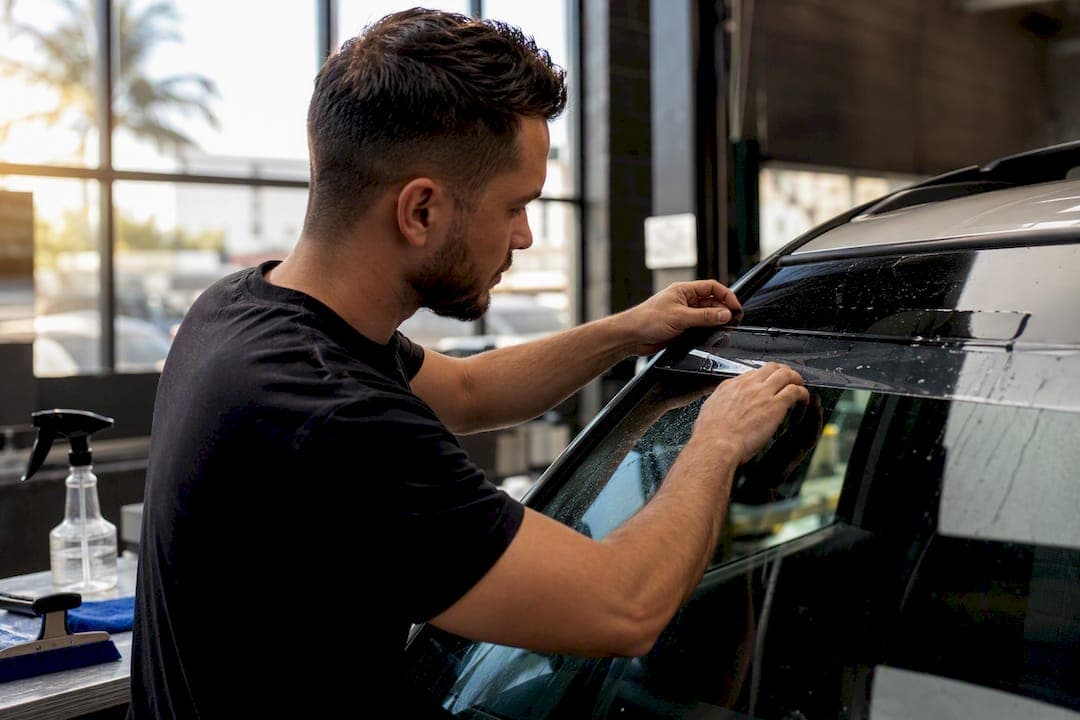
Florida law allows only one thing on your windshield without a special permit: a non-reflective, transparent strip above the manufacturer's AS-1 line or within the uppermost five inches of the glass. Anything darker below that line is illegal, full stop, unless you have a medical exemption from the Florida Department of Highway Safety and Motor Vehicles. Side and rear windows follow separate, more forgiving rules.
TL;DR:
- Drivers must measure the combined light transmission of tint films, as factory tint and curvature can significantly affect actual VLT levels.
- Medical exemptions allow for darker tint below legal limits if certified by a Florida-licensed physician and documented with approved paperwork.
- Tint violations can result in fines of $100 to $150 and a noncriminal infraction, but installing illegal tint poses a misdemeanor risk for the business.
- Proper installation involves requesting a pre-check with a calibrated meter and keeping proof of post-install VLT readings for legal defense.
- Tint above the AS-1 line or within the top five inches of the windshield is legal; anything darker below requires a medical exemption or is illegal.
Table of Contents
- Florida Windshield Tint Law at a Glance
- Understanding AS-1, VLT, and Reflectivity Rules
- Medical Exemptions for Darker Tint
- What Happens if Your Tint Fails Inspection
- Choosing Legal Tint and a Compliant Installer
- What Installers See That Drivers Don't
- Get Compliant Tint Installed at Your Location
- Sources
Florida Windshield Tint Law at a Glance
If you just want the numbers, here they are. These figures come straight from Chapter 316 of the Florida Statutes, and they apply statewide, whether you're in Miami-Dade or the Panhandle.
- Windshield: Non-reflective, transparent strip only, above the AS-1 line or top five inches. No exceptions without a medical exemption.
- Front side windows: Must let in at least 28% VLT (visible light transmission), with reflectivity capped at 25%.
- Rear side windows and rear windshield: Sedans need at least 15% VLT; multipurpose vehicles like SUVs, vans, and trucks need at least 6% VLT. Reflectivity on these windows tops out at 35%.
- Measurement tolerance: Every VLT reading gets a ±3% cushion, so a film rated 28% that measures 25% on a photometer still passes.
That last point trips people up constantly.
Understanding AS-1, VLT, and Reflectivity Rules
The AS-1 line is a small-etched marking on your windshield, usually near the top edge, left there by the original glass manufacturer as part of federal safety glazing certification. Florida law lets you apply tint above that line, or if your windshield doesn't have a visible AS-1 mark, above the uppermost five inches of the glass. Below either boundary, the windshield must stay clear and non-reflective except for factory tinting.
VLT measures how much visible light passes through the combined layers of glass and film together, not the film alone. That distinction matters more than most drivers realize.
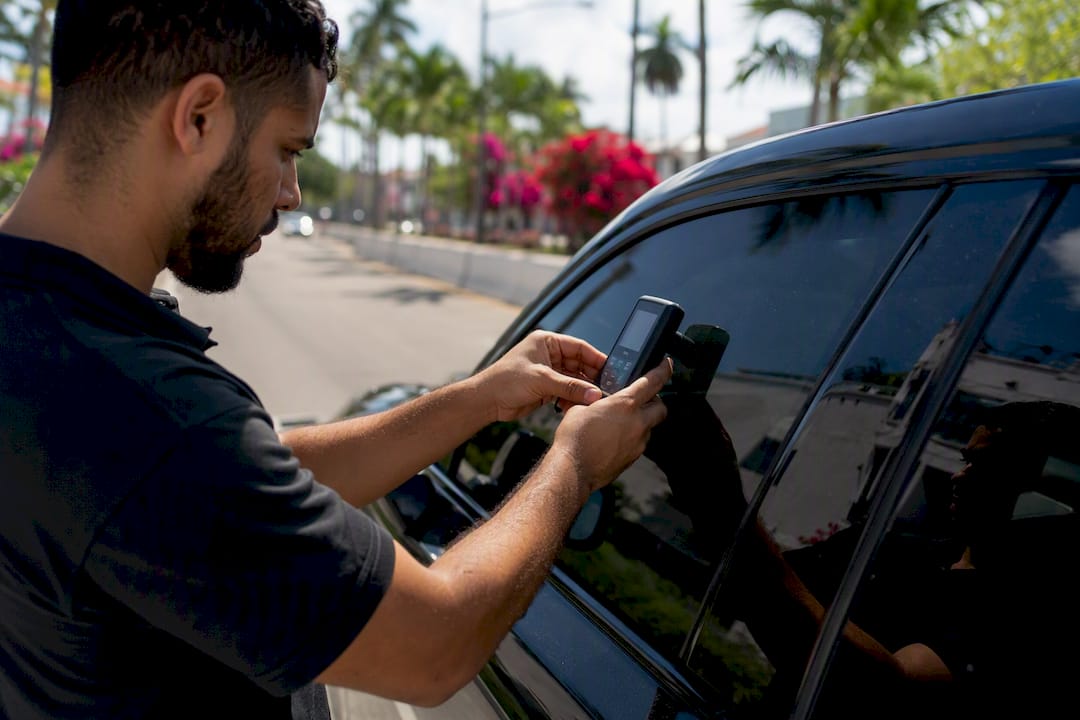
On a front side window, 20% VLT is illegal in Florida because the statutory floor is 28%.
Reflectivity rules add another layer. Florida statute also restricts amber, red, and other colorized films that alter how surrounding drivers perceive brake lights and turn signals.
A few practical notes worth remembering:
- Always ask what the combined glass-plus-film VLT will be, not just the film's rated percentage.
- Confirm your vehicle type first, since sedans and SUVs face different rear-window minimums under the same statute.
- If a rear window becomes so dark it's non-transparent, Florida requires the vehicle to have functioning dual side mirrors as a workaround.
Medical Exemptions for Darker Tint
Florida recognizes that some drivers have legitimate medical reasons for needing darker glass than the standard limits allow. Conditions like lupus, certain forms of photosensitivity, and other autoimmune disorders that trigger severe light sensitivity can qualify under Section 316.29545.
Getting approved isn't a rubber-stamp process. Here's what it actually involves:
- A Florida-licensed physician must certify that darker tint is medically necessary for your specific condition.
- You submit the certification through FLHSMV using Form HSMV 83390, which documents the diagnosis and requested exemption.
- Once approved, the certificate is tied to a specific vehicle and generally must stay in that car at all times.
- An approved exemption can allow darker film on any window, including the windshield below the AS-1 line, at levels your physician specifies.
If you're driving on an exemption, keep that paperwork current and in the glovebox. An officer at a traffic stop has no way to know your medical history without it.
What Happens if Your Tint Fails Inspection
Driving around with illegal tint in Florida is a noncriminal traffic infraction, similar to a seatbelt violation, and it won't add points to your license. The math is different for the shop that installed it: selling or installing tint that violates state limits is a second-degree misdemeanor, which carries real legal exposure for the business, not just the driver.
Fines for drivers typically land in the $100 to $150 range once court costs are added, though amounts vary slightly by county.
- Officers measure VLT directly through the glass, film included, using a calibrated meter.
- A reading within 3 percentage points of the legal minimum generally will not result in a citation.
- Many Florida courts will reduce or dismiss a tint ticket if you remove or replace the film and bring proof of a now-compliant reading.
- Correction timelines vary by county, but getting it fixed and documented within a couple of weeks is a reasonable target.
Pro Tip: Keep the receipt and post-install VLT reading from whoever fixes your tint. Some courts want that paperwork before they'll dismiss a citation, and showing up empty-handed can turn a quick fix into a second court date.
Choosing Legal Tint and a Compliant Installer
Picking the right film starts before installation, not after you're pulled over.
- Ask what VLT the film will produce on your specific glass, since factory tint and windshield curvature change the outcome from vehicle to vehicle.
- Insist on a pre-install meter check so you know your starting point, especially if your car already has factory-tinted glass.
- Get a written receipt showing the post-install VLT reading, plus a warranty. This document is your defense if you're ever stopped.
- Choose neutral, non-reflective ceramic or carbon films, and skip anything mirrored, amber, or red. Reputable shops document both the meter and method used for every reading, which cuts down on disputes later.
- Ask directly whether the installer understands the AS-1 rule and will refuse to tint below it without a medical exemption on file.
What Installers See That Drivers Don't
Most tint disputes come from relying on a film's advertised percentage instead of measuring the actual glass. Every windshield reads differently once factory tint and curvature are factored in, so a meter check before and after installation matters more than the number on the film roll.
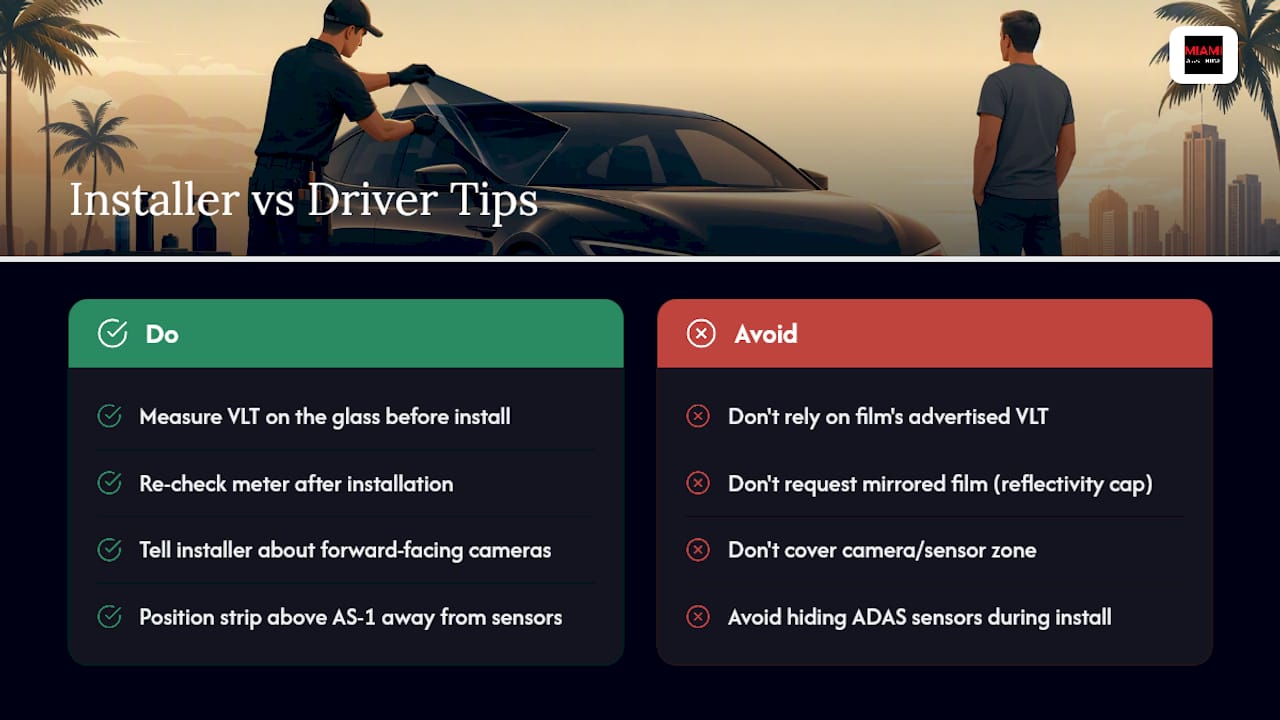
The biggest mistake I see is customers requesting mirrored film because it looks sharp, not realizing it violates the California window tint laws reflectivity cap outright. On newer vehicles with windshield-mounted cameras and rain sensors, the strip above AS-1 also has to be positioned carefully so it doesn't interfere with those systems.
Pro Tip: If your car has forward-facing cameras or lane-assist sensors near the mirror, tell your installer before they touch the glass. Covering that zone, even with a legal strip, can throw off ADAS calibration.
— Jose
Get Compliant Tint Installed at Your Location
Reading the statute is one thing; getting a film that actually passes inspection on your specific vehicle is another. Southmiamitint installs 3M Ceramic IR, 3M Crystalline, 3M Color Stable, and Iviron KoolMax ceramic films directly at your home or office across Miami-Dade County, and every job comes with a post-install VLT reading so you have proof the work meets Florida's statutory limits.
That documentation matters more than most drivers expect. If you're ever questioned at a stop, having a dated reading from your installer settles the question in seconds instead of turning into a court date. Ready to get your vehicle tinted right the first time? Check pricing and book a mobile appointment on the ceramic window tint installation page.
Sources
- Chapter 316 Section 2952 - 2025 Florida Statutes - The Florida Senate
- Chapter 316 Section 2953 - 2025 Florida Statutes - The Florida Senate
- Chapter 316 Section 2954 - 2025 Florida Statutes - The Florida Senate