
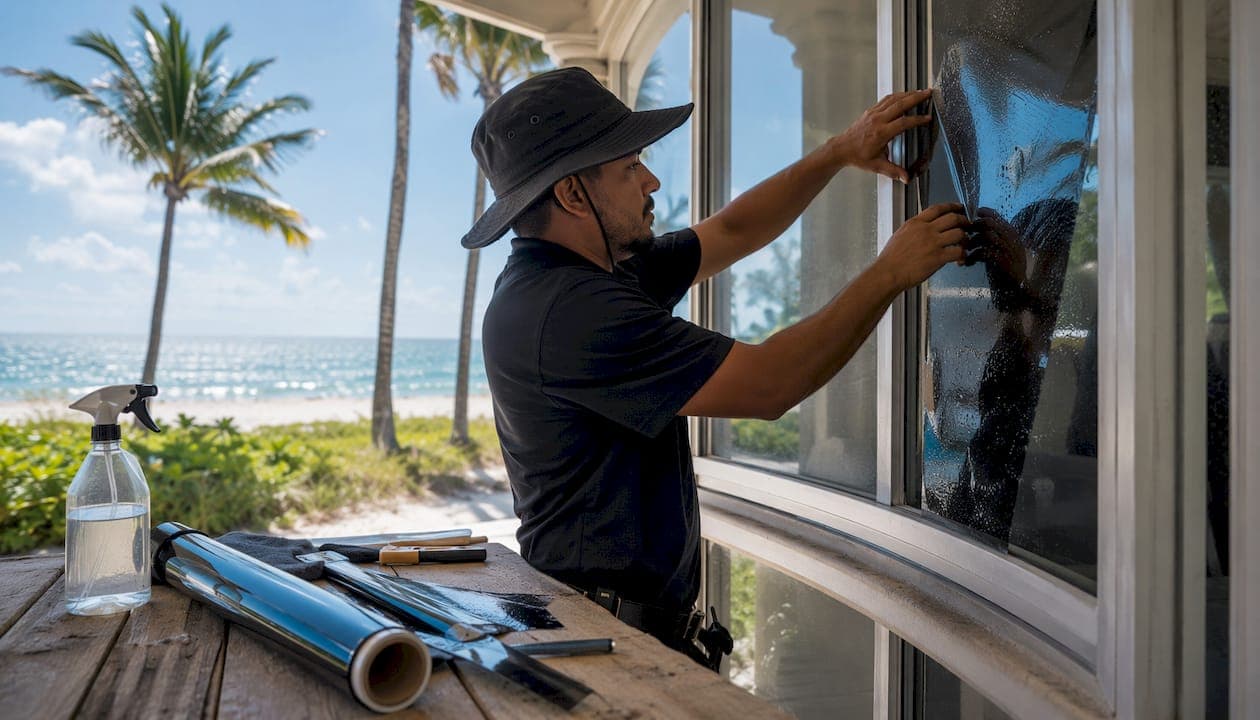
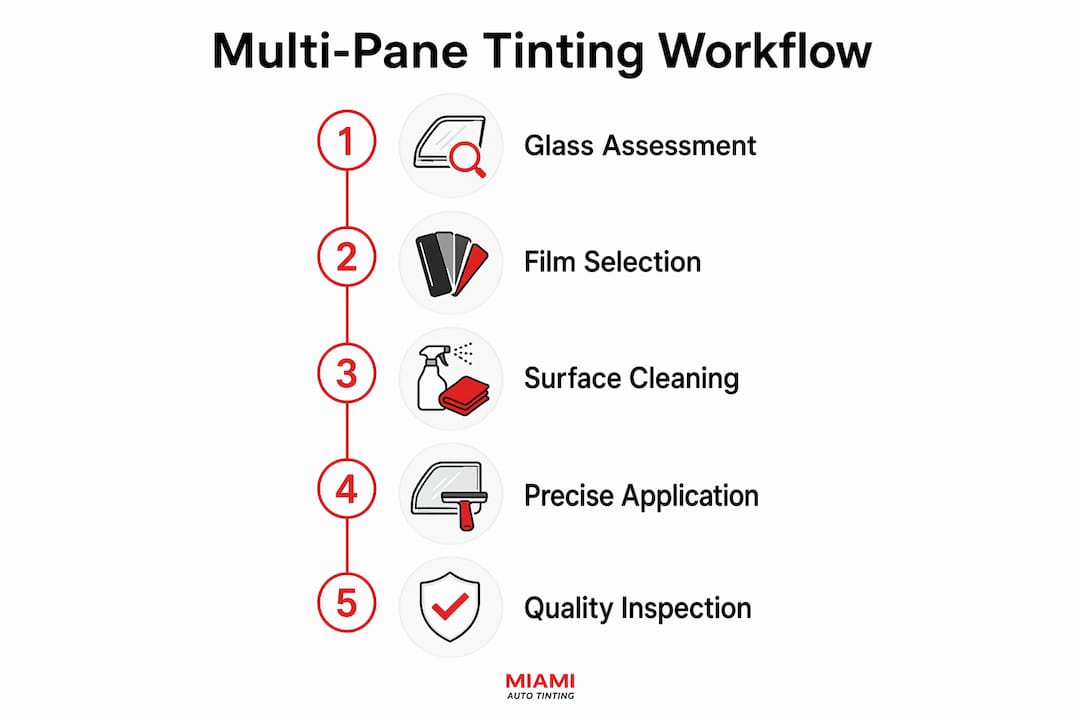
The professional workflow for multi-pane tinting follows six non-negotiable steps: certified glass assessment, area protection, manufacturer-matched film selection using SHGC and VLT ratings, precision wet application, center-to-edge squeegeeing, and staged curing. The single most important caution: never apply film to a Low-E surface without manufacturer compatibility confirmation, because trapped heat causes seal failure or stress fractures in insulated glass units (IGUs).
Here is what a proper multi-pane tinting process looks like, step by step:
- Site inspection: Confirm glass age, pane count, Low-E presence, and IGU seal condition before anything else.
- Area protection: Cover floors, sills, and nearby furniture to keep the workspace clean and dry.
- Glass compatibility check: Match film solar absorption to the glass thermal profile using SHGC and VLT metrics. Ceramic films like 3M Ceramic IR and Iviron KoolMax are the right call for most Miami-Dade IGUs.
- Precise film cutting: Custom hand-trim each pane. Pre-cut kits leave gaps that compromise edge adhesion.
- Wet application: Apply a controlled slip solution so the film can be micro-adjusted before bonding. This is measured lubrication, not soaking.
- Center-to-edge squeegeeing: Push air and excess solution outward in overlapping strokes for a bubble-free bond.
- Edge trim and staged curing: Trim edges clean, then allow the adhesive to set fully before cleaning the glass.
Pro Tip: Ask your installer three questions upfront: What is the glass type and surface number? Does this unit have a Low-E coating? Will this film void my window manufacturer's warranty? A qualified installer answers all three without hesitation.
Table of Contents
- What causes tint defects on multi-pane windows, and how do you fix them?
- Southmiamitint brings the full multi-pane workflow to your door in Miami-Dade
- Key Takeaways
What causes tint defects on multi-pane windows, and how do you fix them?
The most common failure in multi-pane tinting is thermal mismatch. When a film with high solar absorption is applied to a Low-E IGU without approval, the glass absorbs more heat than it can dissipate. The result is seal failure or stress fractures. Replacing a failed IGU costs far more than the original tint job.
Bubbling after installation usually means one of two things: inadequate cleaning before application, or a wet application that moved too fast. Professionals use a multi-stage cleaning process to remove all residue before the film goes on. Small bubbles that appear during curing often disappear within 30 days as moisture evaporates. Bubbles that persist past the cure window signal a bonding failure and require reinstallation.
Edge lifting is another common defect, and it almost always traces back to skipped edge trimming or cleaning the glass too soon after install. Avoid wiping the edges for at least the first week. For glass maintenance after the cure period, use a soft cloth and ammonia-free cleaner only.
One red flag worth knowing: any installer who skips the glass assessment, applies film dry, or cannot name the film's SHGC rating is a risk to your windows and your warranty. Professionals never disassemble IGUs to apply film between panes. That breaks the factory seal and causes long-term failure. The correct method is precise exterior surface application with proper edge trimming.
Southmiamitint brings the full multi-pane workflow to your door in Miami-Dade
Southmiamitint handles mobile installs for vehicles, homes, and commercial properties across Miami-Dade, carrying 3M Ceramic IR, 3M Color Stable, and Iviron KoolMax. Ceramic film is the right choice for Miami's heat and for homes with Wi-Fi and smart devices, since it delivers strong heat rejection and UV protection without the signal interference that metalized films cause.
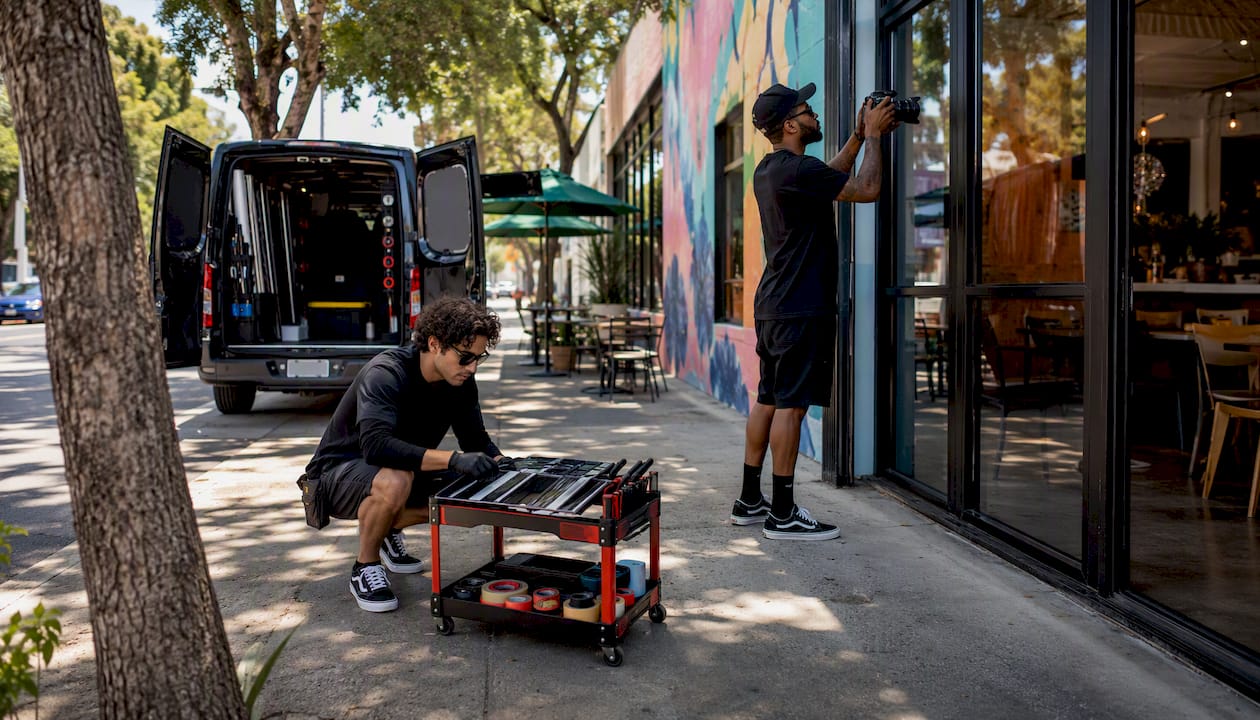
On arrival, the crew photographs the glass, confirms Low-E status, checks IGU compatibility, and stages the job by prioritizing high-exposure facades first. Small vehicle or targeted residential jobs typically take 2–4 hours. Whole-house multi-pane installs may take most of a day, while mid-size multi-pane suites can require 1–2 days depending on glass type and pane count. Every job includes before/after photos, documented film specs, and manufacturer compatibility sign-off. Post-install, you get clear curing instructions: no cleaning, no edge pressure for at least a week.
Ceramic tint packages start from $249 for vehicles. Get a quote for your home or vehicle by visiting the mobile tinting page or calling to schedule a visit at your location.
Key Takeaways
A proper workflow for multi-pane tinting starts with a certified glass assessment and manufacturer-matched film selection. Skipping either step risks seal failure, stress fractures, and voided warranties.
| Point | Details |
|---|---|
| Glass assessment is non-negotiable | Confirm Low-E status and IGU condition before any film goes on. |
| Match film to glass using SHGC/VLT | Thermal mismatch between film and glass causes seal failure or stress fractures. |
| Ceramic film suits Miami-Dade IGUs | 3M Ceramic IR and Iviron KoolMax reject heat without interfering with Wi-Fi or smart devices. |
| Cure time matters | Allow at least 30 days for full adhesion; avoid cleaning edges for the first week. |
| Southmiamitint | Mobile installs across Miami-Dade with 3M and Iviron ceramic films, starting from $249. |