
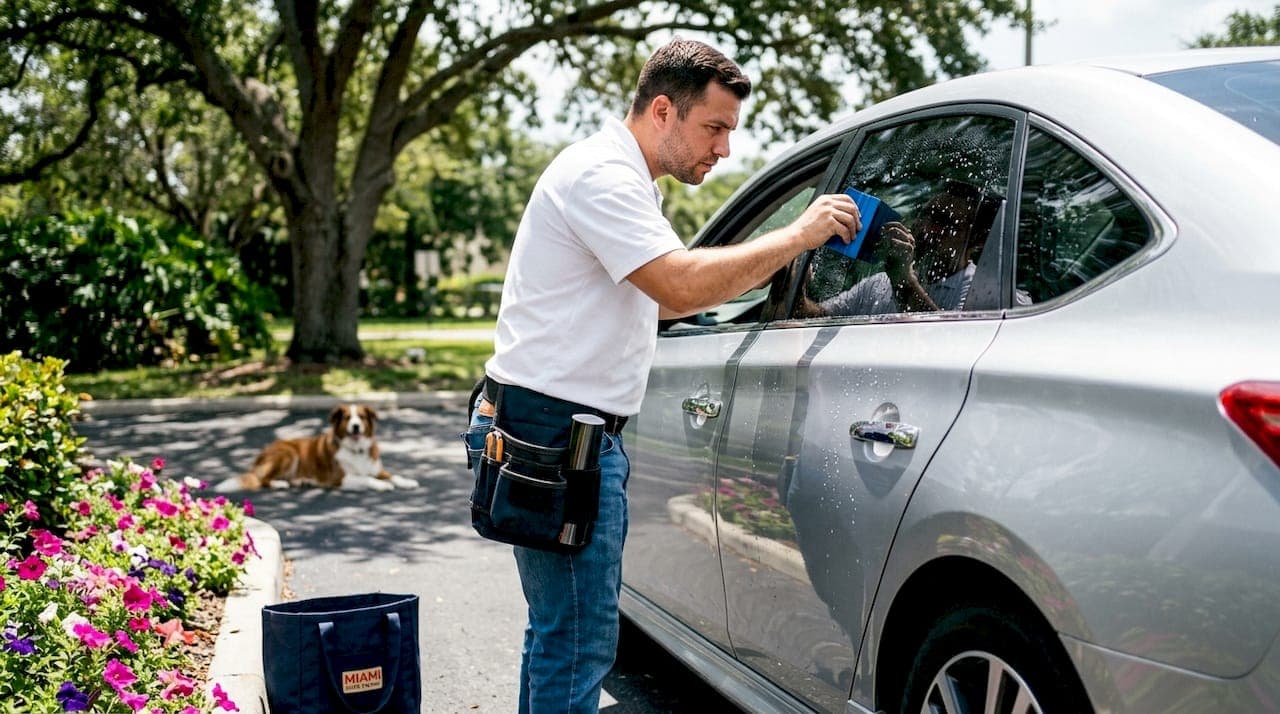
Upgrading existing window film is the most cost-effective way to improve your vehicle's heat rejection, UV protection, and interior comfort without replacing the glass itself. Car owners in hot climates like Miami deal with solar heat, glare, and fading interiors every day. Modern ceramic films, including 3M IR and Iviron Kollmax, deliver performance that factory tint and older aftermarket films simply cannot match. Understanding why upgrade existing window film decisions make sense starts with knowing what your current film is actually doing, and what it is failing to do.
Why upgrade existing window film: the performance gap
The core reason to upgrade is performance. Older films lose their heat-blocking and UV-filtering ability over time, even when they still look intact. Modern films block 60–86% of solar heat and over 99% of UV rays. That is a dramatic improvement over factory tint, which typically provides minimal heat rejection and almost no UV protection beyond basic visible light reduction.
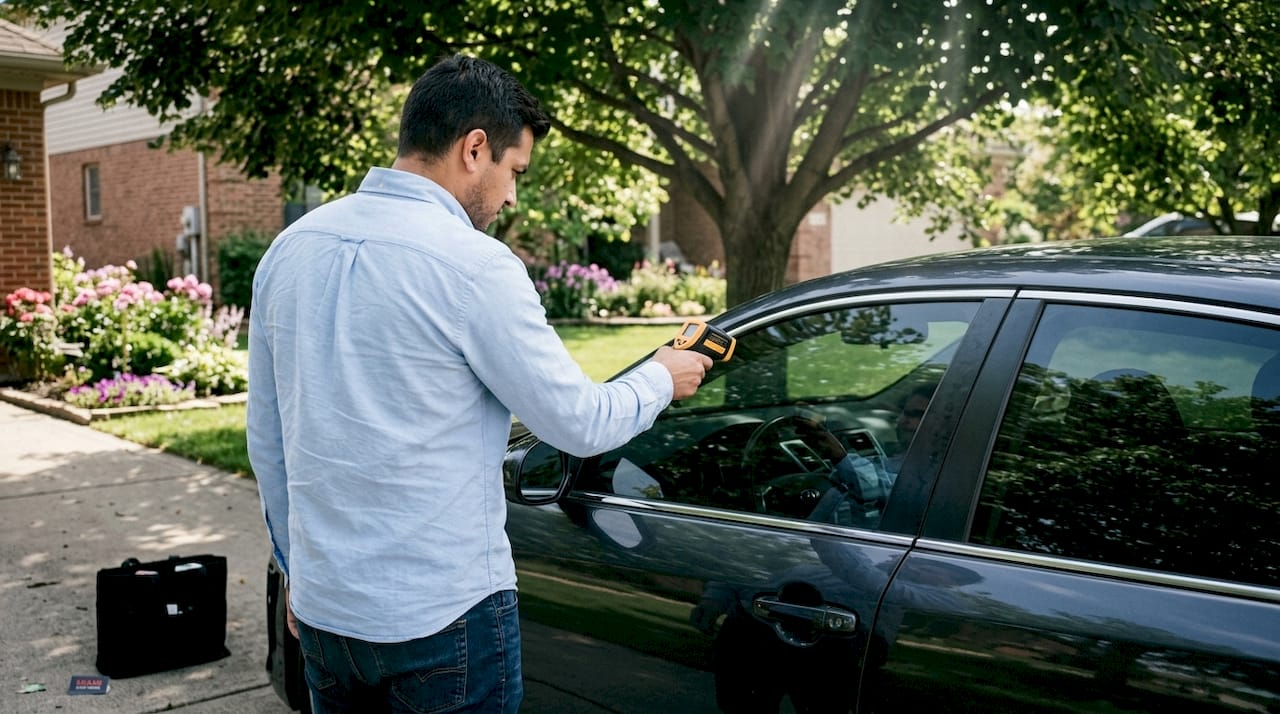
Total Solar Energy Rejected, known as TSER, is the standard metric professionals use to compare film performance. Prioritizing TSER and IR rejection over visible light transmission gives you the most accurate picture of how a film will actually perform in a hot car. A dark film with low TSER still lets heat pour through. A high-TSER ceramic film can be nearly clear and still keep your cabin noticeably cooler.
Glare is a separate but related problem. Film upgrades cut glare significantly while maintaining good visibility, which reduces driver fatigue on long Miami commutes. That combination of heat control and glare reduction is what separates a quality upgrade from a cosmetic one.
- Heat rejection: Ceramic films use nano-ceramic particles to block infrared radiation without relying on metallic layers that can interfere with GPS or phone signals.
- UV protection: Quality films block over 99% of UV-A and UV-B rays, protecting your dashboard, seats, and skin.
- Glare control: High-performance films reduce eye strain without making your windows too dark to see through safely.
- Privacy: Decorative and frosted films provide 24-hour privacy coverage, unlike reflective films that only work during daylight hours.
Pro Tip: When comparing film options, ask for the TSER rating first. A film with a TSER above 50% will make a noticeable difference in cabin temperature, even on a clear day in south Florida.
What are the signs your current film needs replacing?
Film does not fail all at once. It degrades gradually, and most car owners do not notice until the problems become obvious. Recognizing the early signs saves you from driving around in a car that offers far less protection than you think.
- Bubbling or peeling. Air pockets form when the adhesive breaks down, usually from prolonged UV exposure or poor original installation. Once bubbling starts, the film cannot be repaired. It needs to come off.
- Purple or brown discoloration. This is the most visible sign of dye failure. Non-ceramic films use dyes that break down under UV exposure, turning the film an uneven purple or brown color. The film looks bad and no longer performs.
- Reduced heat rejection. If your car feels hotter than it used to despite the tint still looking dark, the film has lost its thermal blocking ability. This is common in dye-based films after three to five years in direct sun.
- Scratches and hazing. Surface damage scatters light and creates glare rather than reducing it. A scratched film actively makes driving conditions worse.
- Expired warranty. Professional-grade films with manufacturer warranties last 15–20 years. Cheaper imported films fail in 5–7 years because they lack UV inhibitors in the adhesive layer. If your film is past its warranty period, its performance is no longer guaranteed.
The difference between DIY kits and professional-grade films is significant. DIY kits cost $50–$150 but frequently cause bubbling and peeling because the adhesive and film quality cannot match professional materials. Professional installation costs more per square foot but produces a result that lasts and performs as rated.
How do you choose the right window film upgrade?
Choosing the right film starts with defining what you actually need. Clarifying your goal before selecting a film, whether that is heat rejection, glare reduction, or privacy, prevents you from buying a product that solves the wrong problem.
Car owners in Miami typically prioritize heat rejection above everything else. The sun angle and intensity in South Florida mean that even a short drive without adequate IR rejection leaves the cabin uncomfortably hot. Ceramic films like 3M IR and Iviron Kollmax ceramic tint are the right choice for that environment because they block infrared radiation at the source rather than just reducing visible light.
Compatibility with your glass type also matters. Thermal stress analysis is the process of assessing how much heat a film will cause a specific glass panel to absorb. The wrong film on tempered rear glass can cause stress fractures over time. A professional installer evaluates this before recommending a film, which is something a DIY approach cannot replicate.
- Define your priority: Heat, glare, privacy, or security. Each requires a different film specification.
- Check glass compatibility: Rear windshields and curved side windows have different requirements than flat side glass.
- Verify warranty coverage: Seek both a manufacturer warranty and an installation warranty. One without the other leaves you exposed if the film fails.
- Choose certified installation: A certified installer follows manufacturer application protocols, which is required to keep the warranty valid.
Pro Tip: Ask your installer for the heat rejection film specs in writing before the job starts. A reputable shop will give you the TSER and IR rejection percentages for the exact film going on your car.
Is a film upgrade worth it compared to full window replacement?
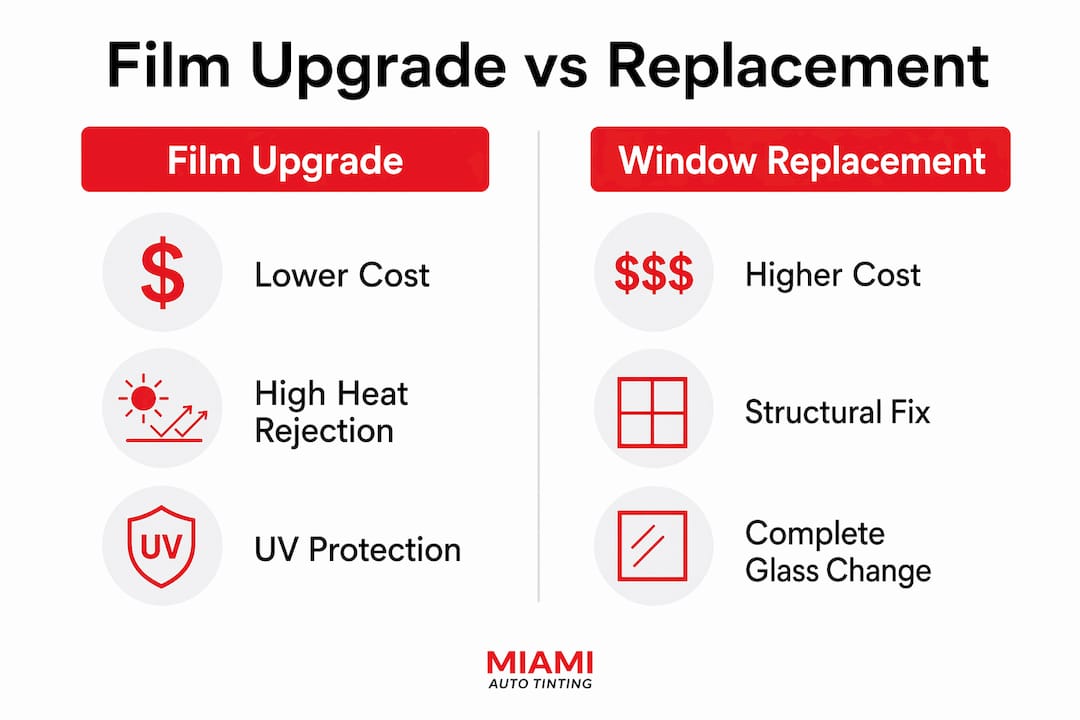
Window film on existing glass delivers 80–90% of full window replacement's thermal benefits at a fraction of the cost. For car owners, this comparison is straightforward. Replacing automotive glass is expensive, time-consuming, and only necessary when the glass itself is damaged.
Window replacement is the right call only when seals are broken, glass is cracked, or the structure is compromised. For every other comfort and performance issue, a film upgrade addresses the problem directly. Choosing between the two is really about scope. Film is a retrofit upgrade applied to existing glass. Window replacement involves removing and reinstalling structural components of the vehicle.
| Factor | Film upgrade | Full window replacement |
|---|---|---|
| Cost | Significantly lower | High, often $300–$1,000+ per panel |
| Installation time | 1–3 hours for full car | Half day to full day per window |
| Performance gain | 60–86% solar heat rejection | Depends on glass spec |
| Disruption | Minimal, mobile service available | Requires shop visit |
| When appropriate | Performance, comfort, UV protection | Cracked, broken, or failed seals |
| Warranty | 15–20 years with quality film | Varies by glass manufacturer |
The upgrade path also gives you options that replacement does not. You can layer a low-E film on existing glass to add an insulating layer, or choose a privacy film for rear windows while keeping a lighter film up front for visibility. Replacement glass gives you whatever the manufacturer specifies. Film lets you customize performance to your exact needs. For Miami drivers who want to protect their car interior from UV damage and keep the cabin cooler, the film upgrade is almost always the better first step.
Key Takeaways
Upgrading your vehicle's window film delivers 80–90% of the thermal benefit of full window replacement at a fraction of the cost, making it the most practical first step for car owners focused on comfort and protection.
| Point | Details |
|---|---|
| Performance gap is real | Older and factory films lose heat rejection and UV blocking ability over time. |
| TSER is the key metric | Prioritize Total Solar Energy Rejected over visible light transmission when comparing films. |
| Know the failure signs | Bubbling, discoloration, and increased cabin heat all signal it is time to upgrade. |
| Professional installation matters | DIY kits cause bubbling and peeling; certified installers protect your warranty and results. |
| Film beats replacement in most cases | Window replacement is only necessary when glass is cracked or seals have failed. |
What I have learned after years of watching car owners make this decision
Most car owners wait too long. They notice the purple tint or the bubbling and assume it is just cosmetic. By that point, the film has been underperforming for months, and the interior has been absorbing UV radiation and heat that a good film would have blocked entirely.
The other mistake I see regularly is choosing film based on darkness rather than performance specs. A very dark film with no ceramic layer does almost nothing for heat. It just makes the car look tinted. Car owners in Miami need to understand that visible darkness and infrared rejection are completely separate properties. You can have a nearly clear film that outperforms a dark one on every thermal metric.
My honest recommendation is to treat the film upgrade as a performance decision, not an aesthetic one. Start with your TSER target, confirm glass compatibility with a professional, and choose a film that carries both a manufacturer warranty and an installation warranty. The benefits of ceramic window tint go well beyond looks. They show up every time you get into a car that is 15 degrees cooler than it would have been without the right film.
— Jose
Professional ceramic tinting in Miami, done at your location
Southmiamitint installs 3M IR, 3M Color Stable, and Iviron Kollmax ceramic tint on vehicles across Miami-Dade, and the service comes to you. There is no need to drop off your car or wait at a shop.
If your current film is bubbling, fading, or simply not keeping your cabin cool enough, a ceramic upgrade is the most direct fix. Southmiamitint's ceramic window tint service starts at $249 and includes professional-grade film with manufacturer-backed warranty coverage. You can also check mobile tinting prices online before booking. The whole job takes a few hours, and the performance difference is immediate.
FAQ
Why should I upgrade my car's window film?
Older films lose their ability to block heat and UV rays over time, even when they still look intact. Upgrading to a ceramic film restores full heat rejection and UV protection at a fraction of the cost of replacing the glass.
How long does quality window film last?
Professional-grade films with manufacturer-backed warranties last 15–20 years. Cheap imported films typically fail within 5–7 years due to the absence of UV inhibitors in the adhesive.
What is TSER and why does it matter?
TSER stands for Total Solar Energy Rejected and measures how much overall solar energy a film blocks. A higher TSER means a cooler cabin, regardless of how dark the film appears.
Can I upgrade my window film myself?
DIY kits are available but frequently result in bubbling and peeling because the materials and application precision do not match professional-grade products. Professional installation protects both the result and the warranty.
When is full window replacement better than a film upgrade?
Window replacement is the right choice only when the glass is cracked, structurally compromised, or the seals have failed. For all comfort and performance issues on intact glass, a film upgrade is the more practical and cost-effective solution.