
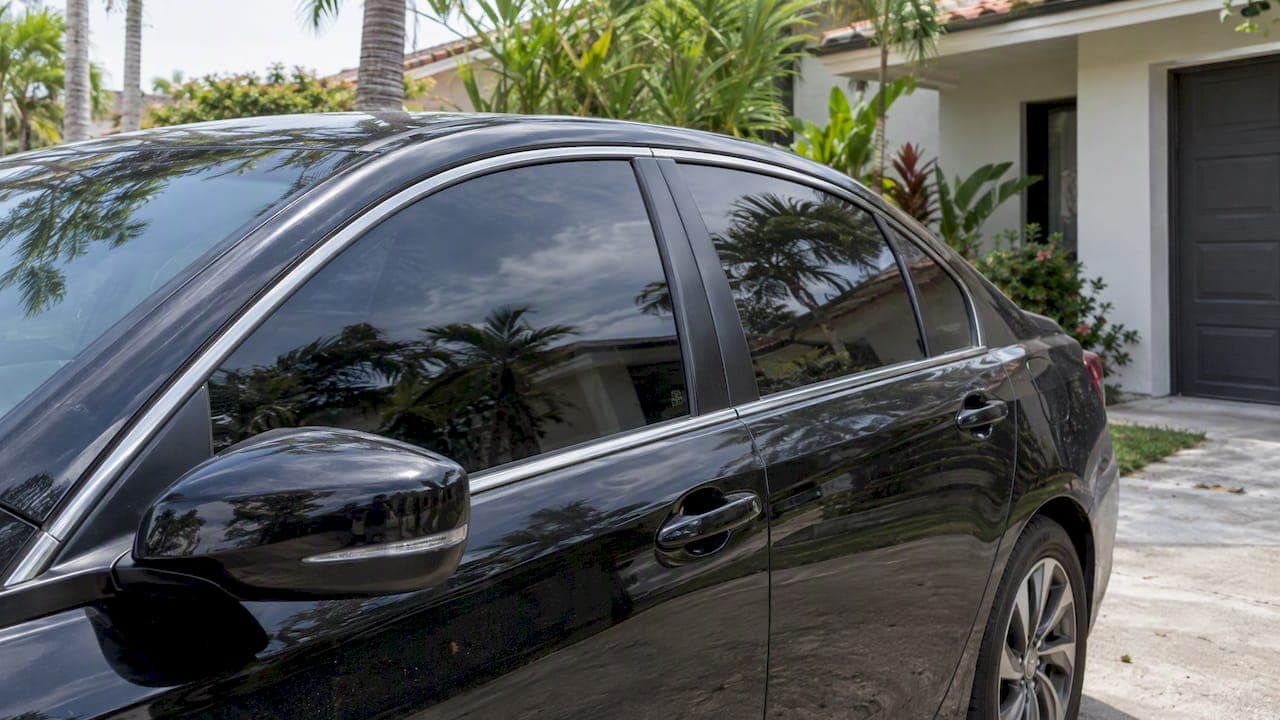
Window tint deters theft in two concrete ways: it hides valuables from view so thieves have less reason to target your vehicle or property, and security-grade films physically slow down forced entry by holding broken glass together. Standard decorative tint mainly handles concealment. Tint works as an added layer of protection, not a replacement for alarms, locks, or cameras.
TL;DR:
- Choose ceramic or carbon film for vehicle privacy, heat control, and ultraviolet protection; reserve tested security film for storefronts and vulnerable ground floor windows.
- Ask security film installers which resistance standard or class the product passed, and whether they use frame sealant or an impact protection attachment.
- Darker tint can impair night driving, so verify local visible light transmission limits and confirm windshield sensors or lane assistance cameras remain unobstructed.
- Pair storefront film with visible cameras and a monitored alarm; for vehicles, combine tint with an alarm or steering lock for layered protection.
- Clean film with a glass cleaner that contains no ammonia and a soft cloth, then inspect edges for lifting, which weakens shard retention.
Table of Contents
- How Window Tint Deters Theft: Concealment, Delay, and Surveillance Benefits
- Security Films and the Science of Glass Reinforcement
- Types of Tint and the Ideal Choices for Cars, Homes, and Retail Storefronts
- Professional Installation vs DIY: Why Installation Matters for Security
- How to Choose the Right Tint for Security: Checklist and Questions to Ask
- Other Benefits That Support Security and Loss Prevention
- Typical Lifespan and Durability of Quality Film
- Effectiveness of Different Thicknesses and Grades of Security Window Tinting Films
- Comparison of Window Tinting to Other Common Theft Deterrent Measures
- Maintenance Tips to Preserve Security Features of Tinted Windows
- Installer Experience: What Customers Actually Ask About Security
- Get a Mobile Quote for Security-Focused Tinting
- FAQ
- Sources
How Window Tint Deters Theft: Concealment, Delay, and Surveillance Benefits
Most car and home break-ins are opportunistic. A thief looks inside, sees a laptop bag or a purse on the seat, and acts fast. Tint removes that trigger. When someone can't see what's inside your vehicle or storefront, there's nothing to tempt a quick smash-and-grab.
The second mechanism is physical. Security and laminated films bind glass fragments together on impact, so instead of shattering into an opening, the glass stays in one flexible sheet. A thief has to work harder, use more force, and spend more time, and time is the one thing opportunistic criminals don't want to spend.
Tint can also support surveillance. Reducing glare on glass sometimes improves what security cameras and passersby can actually see, which matters for retail storefronts watching entry points at night.
- Concealment removes the visual trigger that turns a quick glance into a targeted theft.
- Physical delay from security film buys seconds or minutes, which is often enough to discourage an opportunistic thief.
- Glare reduction can help cameras and people on the street spot suspicious activity near glass.
None of this stops a determined, tool-equipped intruder. If someone is specifically targeting your car or business and brings the right tools, tint slows them down rather than stops them. That distinction matters when you're deciding how much protection you actually need.
Security Films and the Science of Glass Reinforcement
Security window film works because of what's inside it, not just the tint on the surface. Multi-ply PET layers, combined with strong adhesives, create a barrier that holds shattered glass together instead of letting it fall away in pieces. Some advanced glazing systems use PVB or ionoplast interlayers between glass panes themselves, and laminated security glazing research shows that interlayer choice changes how well the assembly resists forced entry and splintering.
One widely cited standard in this space is ASTM, alongside UL and DIN EN 356 test programs, which rate films and glazing by how much force and time they resist before failure. These classifications give installers and buyers a way to compare products beyond marketing claims.
Manufacturer data backs up what the lab testing suggests. The 3M Safety & Security Window Film technical data sheet states that high-quality security films hold shattered glass shards together on impact, forcing an intruder to spend additional time penetrating the glass-film barrier. The same documentation is clear that these films are not bulletproof and aren't designed to stop a determined intruder outright. They delay and reduce risk, which is exactly the role they're built for.
Installation details affect real-world performance too. Films that rely on a 3M Impact Protection Attachment or similar frame sealant hold up better under force than film applied to the glass alone, because the attachment keeps the glass-film sheet anchored to the frame instead of popping free as one piece.

Types of Tint and the Ideal Choices for Cars, Homes, and Retail Storefronts
Not every tint is built for the same job. Automotive ceramic, carbon, and dyed films are designed primarily for heat rejection, UV protection, and privacy, and privacy alone does real work against opportunistic theft by keeping valuables out of sight. Ceramic and carbon films offer that privacy without the metallic interference older films had.
Security and anti-burglary films, along with laminated glazing, are a different category entirely. These are built for forced-entry resistance and are the right call for retail storefronts, ground-floor office windows, or home windows facing alleys and side yards where break-in risk runs higher.
- Automotive ceramic or carbon tint suits most vehicle owners who want privacy, heat control, and UV protection.
- Security or laminated film suits storefronts and ground-floor residential windows where forced entry is the real threat.
- Darker film improves privacy but trades off some nighttime visibility, so balance matters.
- Frame and sensor compatibility should be confirmed before installation, especially on newer vehicles with rain sensors or lane-assist cameras near the windshield.
Cost and darkness vary by film class, so matching the product to your actual risk, rather than buying the darkest option available, gets you the most value.
Professional Installation vs DIY: Why Installation Matters for Security
DIY tint kits fail in predictable ways: bubbling, lifted edges, and weak adhesion that leaves gaps a thief can exploit faster than intact film would allow. Professional installers prep the glass correctly, use manufacturer-specified attachment methods, and often back the job with a warranty that DIY kits simply don't offer.
Professional installation data from TeckWrap confirms that pro-installed film outperforms DIY kits on adhesion and longevity, which matters directly for security film since a poorly bonded edge defeats the point of shard retention.
Pro Tip: Ask your installer whether they use an impact protection attachment or sealant on security film installs, since that detail affects how well the film holds up under force.
Before booking any install, check your local VLT rules so your finished tint stays street-legal; our guide on VLT rules for car owners walks through what's allowed.
How to Choose the Right Tint for Security: Checklist and Questions to Ask
Picking the right film starts with defining what you're actually protecting against. A car parked on a busy street has different risks than a storefront with a back alley entrance.
- Define your threat: Is this about opportunistic smash-and-grab, or a higher-risk location with forced-entry history?
- Pick the film class: Decorative privacy tint for general concealment, or tested security film for forced-entry resistance.
- Confirm the attachment method: Ask whether the installer uses frame sealant or an impact protection attachment for security-grade jobs.
- Verify testing and certifications: Request the specific resistance class or standard the film was tested against.
- Check warranty coverage: Confirm what's covered if the film fails, bubbles, or discolors.
For vehicles, balance darkness against nighttime visibility and confirm the film won't interfere with sensors near the windshield. Before finalizing anything, check your state's legal tint darkness; our breakdown of Florida windshield tint law is a useful example of how these rules get applied in practice.
Other Benefits That Support Security and Loss Prevention
Security isn't the only reason tint earns its place on a car, home, or storefront. UV rejection protects upholstery, flooring, and retail merchandise from fading, which matters for any business displaying goods near glass. The 3M Crystalline technical data sheet states the film blocks up to 99.9% of UV light while staying non-metalized, so it won't interfere with vehicle electronics.
Heat rejection has an indirect security benefit too. Keeping interiors cooler means fewer reasons to leave windows cracked for airflow, which is itself a theft risk. And glare reduction, beyond helping cameras, makes it easier for people nearby to actually notice someone lingering around a vehicle or storefront window after dark.
Typical Lifespan and Durability of Quality Film
Quality film is a long-term investment, not a one-season fix. Premium ceramic and carbon automotive films, properly installed, commonly hold their color and performance for many years without the purple fading or bubbling associated with cheaper dyed films. Security film built with multi-ply PET layers is designed for similar longevity, since its job depends on the adhesive and layers staying intact over time.
Durability depends heavily on three things: film quality, installation technique, and how the glass is maintained afterward. A film bonded with proper edge attachment and cured correctly resists lifting far longer than one rushed through a DIY install. Direct sun exposure, extreme heat, and improper cleaning products can all shorten a film's working life regardless of how good the product is on paper.
For security-focused installs specifically, durability isn't just cosmetic. A film that's starting to lift at the edges or separate from the glass loses the shard-retention property that makes it useful against forced entry in the first place. That's one more reason a warranty-backed, professionally installed film holds its value better than a budget kit over the years you'll actually own the vehicle or property.
Effectiveness of Different Thicknesses and Grades of Security Window Tinting Films
Thicker isn't automatically better, but film grade does change what you're protected against. Lighter security films add modest shard retention and some delay against casual break-in attempts. Heavier, multi-ply security films, often paired with frame attachment hardware, are built for a meaningfully higher resistance class and are the products referenced in forced-entry test programs.
Some specialist films go further. HAVERKAMP PROFILON burglary protection films are tested to specific resistance classes and sometimes paired with alarm integration, features built for high-risk commercial or residential applications rather than general vehicle use.
For most vehicle owners, a quality ceramic or carbon film handles the concealment half of theft deterrence well, while a dedicated security film grade matters more for ground-floor storefront glass or residential windows in higher-risk spots. Choosing the right grade comes down to matching the product to the actual exposure, not simply buying the thickest film available.
Comparison of Window Tinting to Other Common Theft Deterrent Measures
Tint works best as one layer in a broader approach, not a stand-alone solution. Alarms react after a break-in starts, alerting you or nearby people once glass is already compromised. Cameras document the event and can discourage some criminals who notice them, but they don't physically stop entry. Security bars offer strong physical resistance but change the appearance of a property and can complicate emergency egress.
Security film sits in a different spot: it reduces the chance an opportunistic thief tries in the first place, through concealment, and it slows down entry if someone does try, through shard retention. It doesn't sound an alarm or record footage on its own.
The strongest setups combine these measures rather than picking one. A storefront with security film, a visible camera, and a monitored alarm covers concealment, delay, documentation, and response in a way no single measure handles alone. For vehicles, pairing tint with a basic alarm or steering lock covers both the "don't look inside" and "don't make it easy" angles at a reasonable cost.

Maintenance Tips to Preserve Security Features of Tinted Windows
Security film only works as well as its bond to the glass, so maintenance matters more here than with purely cosmetic tint. Clean tinted windows with ammonia-free glass cleaner and a soft cloth, since ammonia-based products break down film adhesive over time and can cause clouding or lifting at the edges.
Check edges periodically for bubbling or separation, especially near frame attachment points, since a lifted edge is the first sign the film is losing its shard-retention ability. Avoid sharp tools, abrasive sponges, or aggressive scraping anywhere near the tinted surface, and give new film the full cure time your installer specifies before rolling windows down or pressure-washing nearby.
If you spot damage, get it addressed rather than patched, since a compromised section of security film no longer performs the way it was tested to.
Installer Experience: What Customers Actually Ask About Security
Most customers who ask us about security aren't worried about professional thieves. They want fewer smash-and-grabs and less temptation on a parked car or storefront. We install ceramic films specifically because they hold up to heat, UV, and daily wear without compromising the privacy that deters opportunistic theft.
— Jose
Get a Mobile Quote for Security-Focused Tinting
We come to your car, home, or business and install premium film on-site, so you skip the drive to a shop and the wait in a lobby. Our team works with premium ceramic and color stable ceramic tints, matched to whether you need everyday privacy or a higher level of forced-entry resistance.
- Request a quote online and get pricing before we ever show up.
- Same-day availability is common for standard vehicle jobs.
- On-site estimates cover film choice, VLT compliance, and attachment method for your specific windows.
A 2 Front Windows install starts from $150, and a Full Car + Windshield package starts from $500. Ready to book your mobile install? Get your quote at South Miami Tint and we'll handle the rest at your location.
FAQ
Should I get tinted windows on my car?
Tinted windows add privacy that reduces the chance of opportunistic smash-and-grab theft, along with UV and heat reduction for the interior. Most vehicle owners find ceramic or carbon film worth the cost for comfort and concealment alone, and the added theft deterrence is a practical bonus.
How bad is 20% tint at night?
Darker tint, including 20% VLT, reduces how much light enters the vehicle, which can make it harder to see in low-light conditions like night driving. Check your state's legal VLT limits before choosing a darkness level, since rules vary and our VLT guide for car owners breaks down how to stay compliant.
Is it harder to break a window with tint?
Standard decorative tint adds minimal resistance to breaking glass, but security-grade film is specifically designed to hold shattered glass together and delay entry, according to 3M's technical data. It is not designed to stop a determined intruder, only to slow one down.
How long does window tint last?
Quality ceramic or carbon automotive film, properly installed, commonly holds its performance and appearance for many years without fading or bubbling. Lifespan depends on film quality, installation technique, and ongoing care like avoiding ammonia-based cleaners.
Will tint deter break-ins at a storefront?
Security film on storefront glass works by concealing merchandise and by resisting shattering long enough to discourage opportunistic break-ins, as outlined in laminated security glazing research. For higher-risk locations, pairing security film with cameras and an alarm gives stronger overall protection than film alone.
Sources
- 3M™ Safety & Security Window Film technical data sheet
- Laminated security glazing (Facade Tectonics Institute)
- DIY vs professional window tint installation (TeckWrap blog)