
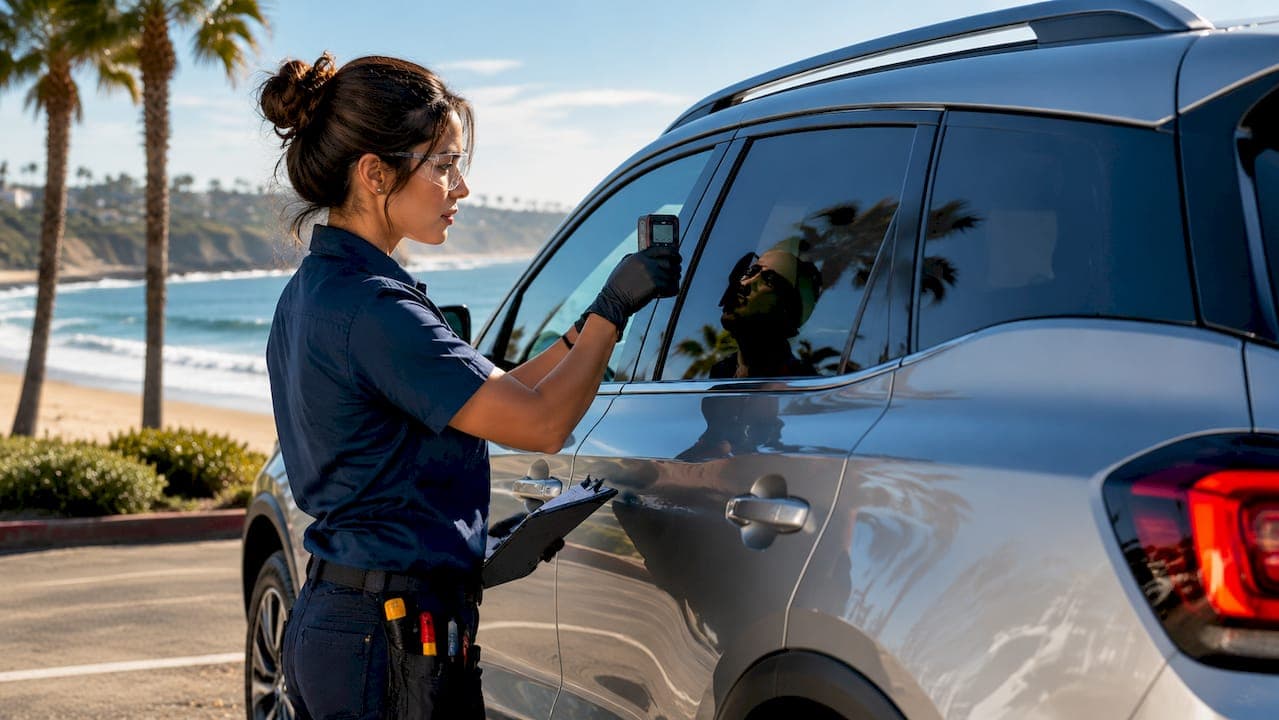
Window tint for coastal areas is specialized automotive film engineered to block UV radiation, reduce cabin heat, and cut glare under the intense sun conditions found along coastlines like South Florida. Coastal vehicle owners face a specific combination of threats: relentless UV exposure, reflected glare off water, and salt air that degrades inferior film materials over time. Technologies like 3M Ceramic IR and nano-ceramic films from brands such as Concord Window Film address all three. Compliance with local regulations, including Florida's VLT thresholds near turtle nesting beaches, adds another layer of decision-making that most drivers underestimate before they book an appointment.
What are the key performance metrics for window tint in coastal areas?
Evaluating coastal window tinting starts with four measurable specifications: VLT, UV rejection, IR rejection, and TSER. Each one tells you something different, and relying on just one number leads to poor purchasing decisions.
Visible Light Transmittance (VLT) is the percentage of visible light a film allows through the glass. Lower VLT means darker tint. Florida's turtle glass rule mandates VLT of 45% or less within 300 feet of the coastal construction control line in Zone 2 areas. That regulation exists to protect sea turtle nesting beaches, but it directly affects how dark your vehicle windows must be if you park or live near those zones.
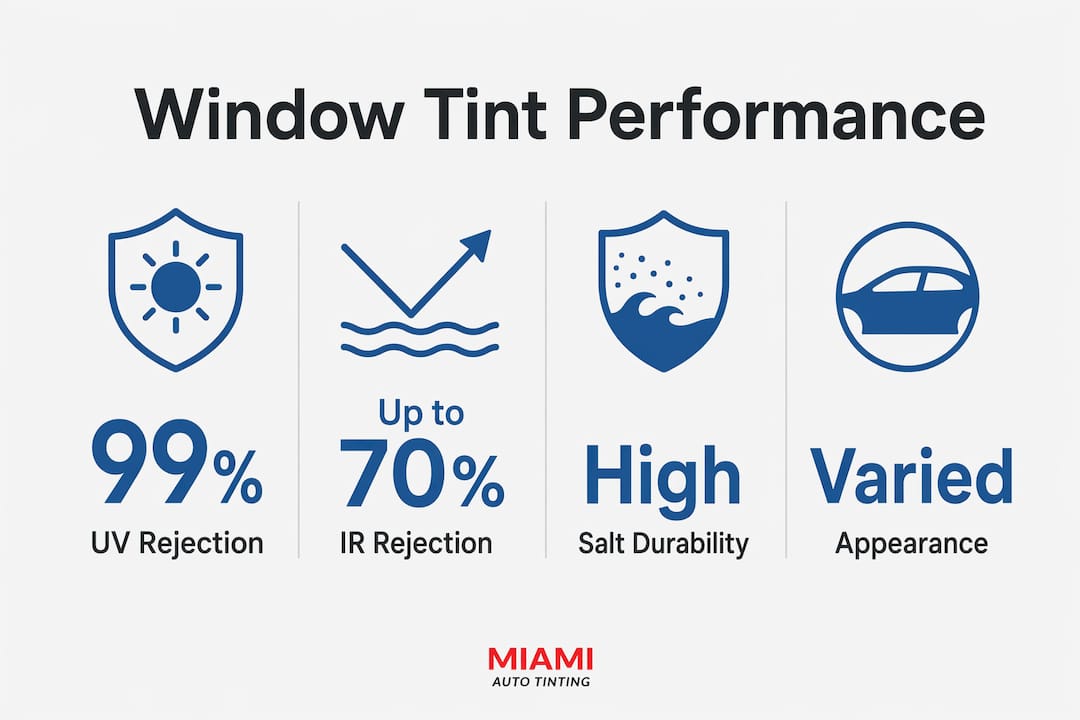
UV rejection measures how much ultraviolet radiation the film blocks. High-performance films block up to 99% of UV rays regardless of how dark or light the film appears. This is the most misunderstood metric in the industry. Darkness does not equal UV protection. A nearly clear film with the right adhesive compounds can protect your skin and interior just as effectively as a very dark film.
IR rejection measures how much infrared radiation the film blocks. Infrared is the primary driver of heat buildup inside your vehicle. Nano-ceramic films deliver up to 95% infrared rejection, which translates directly to a cooler cabin on a 95-degree Miami afternoon.
TSER (Total Solar Energy Rejected) is the most accurate single metric for heat performance because it accounts for both reflected and absorbed solar energy. TSER combined with SHGC and VLT gives you the full picture of how a film performs under real coastal sun conditions. Consumers who focus only on IR rejection claims often end up disappointed because that number alone does not capture the complete thermal performance of the film.
Pro Tip: Ask your installer for the TSER rating on any film they recommend, not just the IR rejection percentage. A film with 60% IR rejection but poor SHGC can still let significant heat into your vehicle.
- VLT: controls light transmission and legal compliance
- UV rejection: protects skin and interior materials from radiation damage
- IR rejection: directly reduces heat buildup inside the cabin
- TSER: the most complete measure of total solar heat blocked
Which film types offer the best UV protection for coastal vehicles?
Not all window films perform equally in coastal conditions. Salt air, constant sun exposure, and high humidity accelerate degradation in lower-quality materials. The film technology you choose determines how long your tint lasts and how well it protects you.
Nano-ceramic films are the top choice for coastal vehicle owners. They contain no metal components, which means salt air cannot cause corrosion or delamination over time. Ceramic films resist salt air corrosion better than metallic or stainless steel alternatives, making them the most durable option in coastal climates. 3M Ceramic IR is one of the most recognized products in this category, delivering strong IR rejection, 99% UV blocking, and excellent visibility retention without the signal interference that metallic films can cause.
Metallic and stainless steel films offer good heat rejection and a distinctive appearance, but the metal content makes them vulnerable in salt-heavy coastal air. Over time, the metal layers can oxidize and cause the film to bubble or discolor. For vehicles parked near the ocean regularly, this is a real long-term cost concern.
Clear UV protection films solve a specific problem: maximum UV blocking with minimal visible change to the glass. Clear UV film blocks 99% of UV rays with a nearly invisible appearance. This option works well for windshields where dark tint is restricted by law, or for drivers who want UV protection without altering the look of their vehicle. Concord Window Film's clear 2 Mil UV product is a well-known example of this category.
| Film Type | UV Rejection | IR Rejection | Salt Air Durability | Best For |
|---|---|---|---|---|
| Nano-ceramic (3M Ceramic IR) | Up to 99% | Up to 95% | Excellent | Coastal daily drivers |
| Metallic/stainless steel | High | Moderate to high | Poor | Inland or short-term use |
| Clear UV film (Concord) | Up to 99% | Low to moderate | Good | Windshields, light-sensitive drivers |
| Dyed films | Low | Low | Poor | Budget, non-coastal use |
Pro Tip: For vehicles in Miami-Dade or any South Florida coastal zone, ceramic film is not a luxury upgrade. It is the practical choice when you factor in the cost of replacing a corroded metallic film within two to three years.
Glare reduction is another performance dimension where film type matters. Nano-ceramic films reduce glare significantly without making the interior feel dark or closed in. Drivers who spend time near open water, where reflected glare is intense, report a noticeable difference in eye comfort with ceramic tint compared to standard dyed films.
How do local coastal regulations affect your tint choices?
Florida's coastal tint regulations are more specific than most vehicle owners realize. The Florida Building Code turtle glass rule applies to Zone 2 coastal areas, defined as within 300 feet of the coastal construction control line. Within that zone, windows visible from the beach must have a VLT of 45% or less. The regulation targets light pollution that disorients nesting sea turtles, but it has direct implications for how you tint your vehicle if you park or store it near those protected beaches.
Key compliance points every coastal vehicle owner should know:
- The 45% VLT threshold applies to windows visible from the beach, not all windows on a structure or vehicle
- Pre-1978 structures may be exempt, but local ordinances can impose stricter rules regardless of build date
- VLT is measured as the percentage of visible light passing through the combined glass and film system, not the film alone
- Factory-tinted glass already reduces VLT, so adding aftermarket film can push the combined VLT below legal thresholds in non-coastal zones
- Florida vehicle tint law sets separate VLT minimums for different window positions, which must be satisfied alongside any coastal building codes
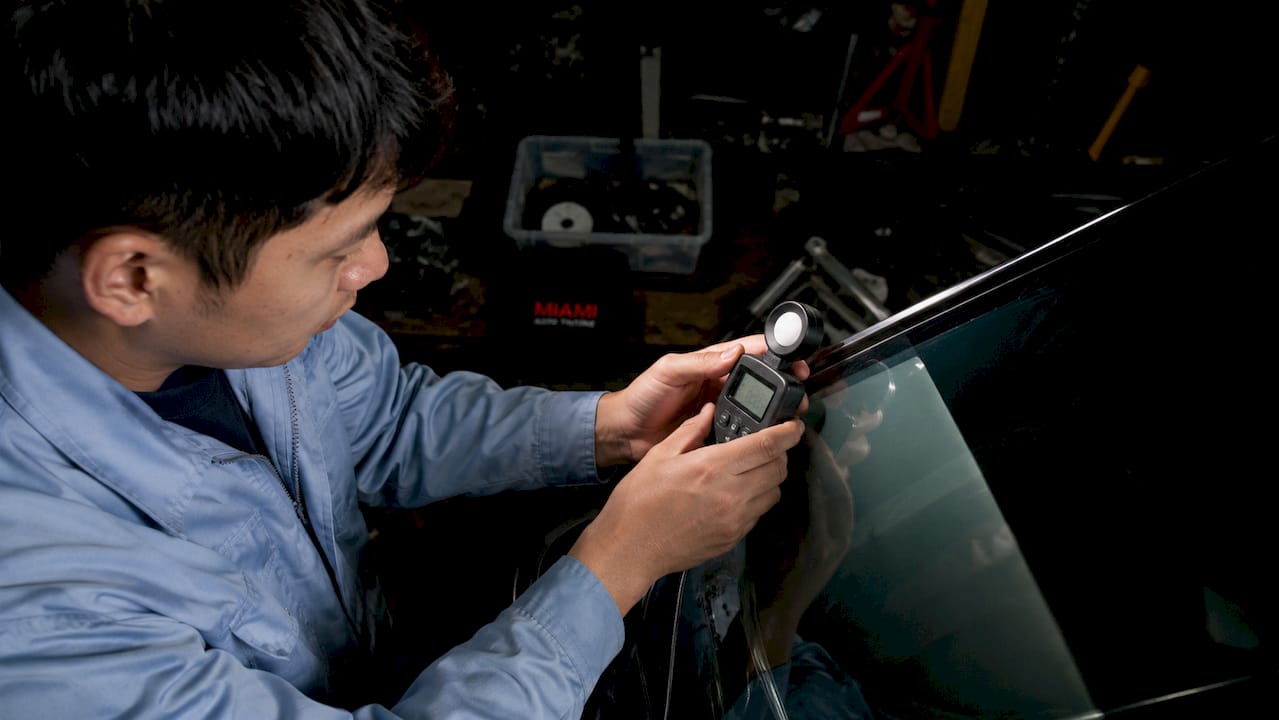
The practical takeaway is that you need to know the VLT of your factory glass before choosing an aftermarket film. A professional installer with local Miami tint knowledge will measure your existing glass and recommend a film that keeps the combined VLT within legal limits. Guessing leads to failed inspections and costly re-tinting.
Regulations also vary by municipality within coastal zones. Miami-Dade, Broward, and Monroe counties each have enforcement nuances. Confirming the rules for your specific location before installation is not optional if you want to avoid fines.
What practical steps should coastal vehicle owners take when selecting tint?
Selecting the right film for a coastal vehicle is a process, not a single decision. These steps keep you from making expensive mistakes.
- Measure your factory glass VLT first. A professional installer uses a light meter to determine your existing glass transmittance. This number determines how dark an aftermarket film you can legally apply.
- Prioritize ceramic or nano-ceramic film. For any vehicle regularly exposed to coastal sun and salt air, ceramic IR film outperforms metallic alternatives in both durability and heat rejection over a multi-year ownership period.
- Request TSER and UV rejection specs in writing. Any reputable installer can provide the manufacturer's spec sheet for the film they are installing. If they cannot, that is a red flag.
- Verify local VLT regulations before booking. Check Florida's vehicle tint laws and any county-specific coastal rules. The Miami tint regulations guide from Southmiamitint covers the specific thresholds for Miami-Dade vehicles.
- Choose a certified installer with coastal experience. Proper installation by certified professionals is the difference between a film that performs at its rated specs and one that peels, bubbles, or fails inspection within a year.
- Plan for maintenance. Ceramic films require minimal upkeep, but you should avoid ammonia-based cleaners that degrade the film's adhesive layer. A microfiber cloth and mild soap extend the life of any quality film significantly.
Pro Tip: Mobile tinting services like Southmiamitint eliminate the risk of driving a freshly tinted vehicle in coastal humidity before the film cures. Having the work done at your location gives the film time to set in a controlled environment.
The cost-benefit math on quality film is straightforward. A ceramic film installed correctly lasts seven to ten years in coastal conditions. A cheap dyed film in the same environment may fail within eighteen months. The upfront cost difference is far smaller than the replacement cost.
Key takeaways
Ceramic nano-ceramic film is the definitive choice for coastal vehicle owners because it combines 99% UV rejection, up to 95% IR heat rejection, and salt air corrosion resistance that metallic films cannot match.
| Point | Details |
|---|---|
| Ceramic film for coastal durability | Nano-ceramic films resist salt air corrosion and outperform metallic films in coastal climates. |
| TSER is the best heat metric | Evaluate total solar energy rejected, not IR rejection alone, for accurate heat performance data. |
| VLT compliance is non-negotiable | Florida Zone 2 requires 45% or less VLT on beach-visible windows; measure factory glass first. |
| Clear films still block UV | Professional-grade clear UV film blocks 99% of UV rays without darkening the glass. |
| Certified installation matters | A knowledgeable local installer protects both your film's performance and your legal compliance. |
What I've learned after years of coastal tinting
After working with vehicle owners across Miami-Dade, I can tell you the single most common mistake is choosing a film based on how it looks in a showroom sample rather than how it performs under real coastal sun. A dark film that looks impressive in a shop can still let significant infrared heat through if it lacks the ceramic technology to block it. Conversely, a nearly clear film with proper UV-blocking compounds in the adhesive layer protects your skin and your interior just as effectively as a dark film.
The second mistake I see constantly is skipping the VLT measurement on factory glass. Drivers assume their windows are clear, apply a film that would be legal on clear glass, and end up with a combined VLT that fails inspection. That is an entirely avoidable problem.
My honest recommendation for anyone driving near the coast in South Florida is 3M Ceramic IR or Iviron Kollmax ceramic film. Both deliver the UV and heat performance that coastal conditions demand, and both hold up against salt air in a way that cheaper metallic films simply do not. The price difference over a five-year ownership period is negligible compared to the comfort, protection, and compliance you get in return. Balancing natural light retention with glare reduction is where ceramic technology genuinely earns its cost. You do not have to choose between a dark, cave-like interior and a bright, uncomfortable one. The right ceramic film gives you both.
— Jose
Protect your vehicle with Southmiamitint's coastal-grade ceramic tint
Southmiamitint installs 3M Ceramic IR, 3M Color Stable, and Iviron Kollmax ceramic film on vehicles across Miami-Dade, bringing the service directly to your location. Every installation is calibrated for Florida's coastal sun conditions and local VLT regulations.
If you are a coastal vehicle owner dealing with UV damage, heat buildup, or glare from open water, Southmiamitint's ceramic window tint service starts at $249 and comes to you. No shop visits, no waiting rooms. The mobile format means your film cures in your own environment, not in traffic on the way home. For drivers who want the performance of 3M ceramic film with the convenience of mobile installation, Southmiamitint is the straightforward choice in South Florida.
FAQ
What is the best window tint for coastal areas?
Nano-ceramic film, such as 3M Ceramic IR or Iviron Kollmax, is the best choice for coastal vehicles because it blocks up to 99% of UV rays, rejects up to 95% of infrared heat, and resists corrosion from salt air better than metallic films.
Does window tint VLT affect compliance near Florida beaches?
Yes. Florida's turtle glass rule requires a VLT of 45% or less on windows visible from the beach within Zone 2 coastal areas. Vehicle owners should measure their factory glass VLT before selecting an aftermarket film to avoid exceeding legal limits.
Can a clear window film still block UV rays?
A professional-grade clear UV film blocks up to 99% of UV radiation without visibly darkening the glass. UV protection is built into the film's adhesive layer, not determined by how dark the film appears.
How long does ceramic window tint last in coastal conditions?
Ceramic films installed correctly by a certified professional typically last seven to ten years in coastal environments. Metallic or dyed films in the same conditions often degrade within one to two years due to salt air exposure.
Is mobile window tinting a good option for coastal vehicle owners?
Mobile tinting is an excellent option because it allows the film to cure in a stable environment rather than in humid coastal air during transit. Southmiamitint offers mobile installation across Miami-Dade with ceramic and 3M film options starting at $249.