
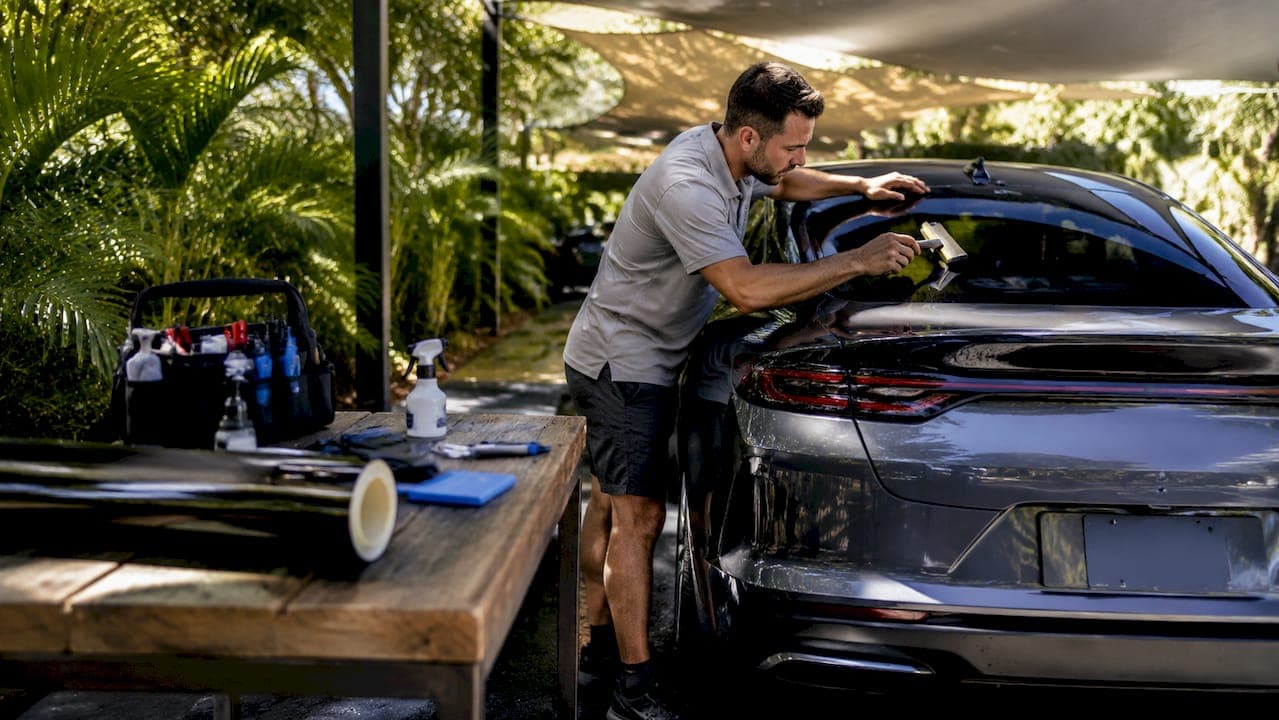
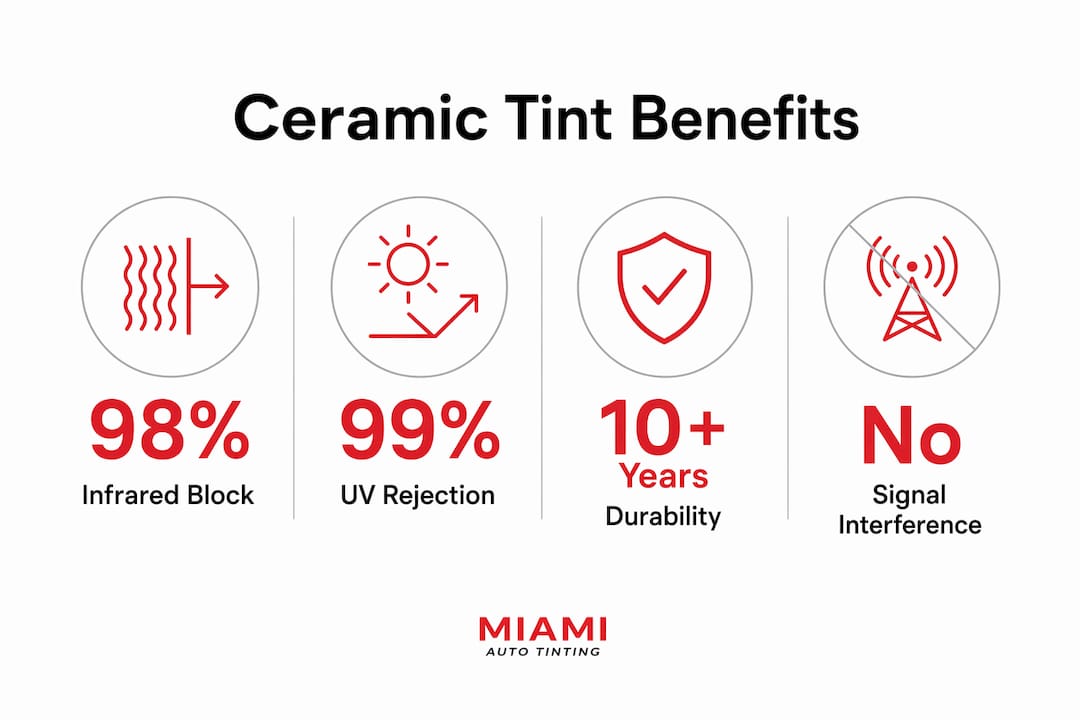
Ceramic window tint is defined as a nano-ceramic particle film that blocks up to 98% of infrared heat while rejecting 99% of UVA and UVB rays, making it the dominant choice for Miami Dade vehicles. No other tint technology matches this combination of heat rejection, UV protection, and signal compatibility in South Florida's punishing climate. Dyed films fade and bubble within a few years under Miami's sun. Metallic films block heat but kill GPS and Bluetooth signals. Ceramic tint solves both problems at once, which is exactly why Miami Dade prefers ceramic tint over every alternative on the market. Brands like 3M IR, 3M Color Stable, and Iviron Kollmax have made professional-grade ceramic film accessible to everyday drivers across the county.
Why Miami Dade prefers ceramic tint over other options
The core reason is physics. Ceramic films use nano-ceramic particles embedded in multiple layers of polyester to create an infrared barrier that dyed and metallic films simply cannot replicate. Dyed tints absorb heat rather than reject it, which means the absorbed heat radiates back into the cabin. In Miami's 90-plus-degree summers, that difference is felt within minutes of sitting in a parked car.
The comparison below shows how the three main tint categories perform across the metrics that matter most to Miami Dade drivers.
| Feature | Ceramic tint | Metallic tint | Dyed tint |
|---|---|---|---|
| Infrared heat rejection | Up to 98% | Moderate | Low |
| UV ray blocking | 99% | Moderate | Low to moderate |
| Signal interference | None | High | None |
| Optical clarity over time | Stays clear | Stays clear | Hazes and fades |
| Lifespan | 10+ years | 7-10 years | 2-5 years |
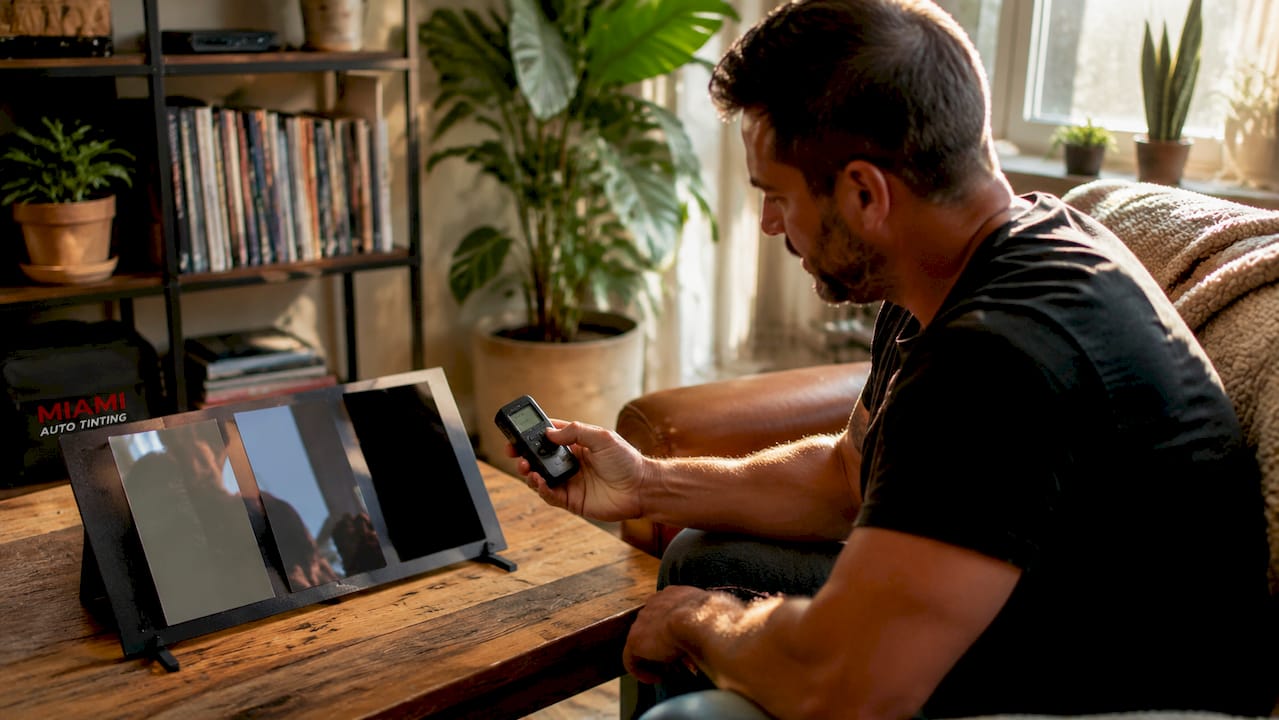
Metallic tints create a Faraday-cage effect around your vehicle. Signal interference from metallic films disrupts GPS navigation, toll transponders like SunPass, cellular reception, and Bluetooth. For Miami Dade commuters who rely on navigation through I-95 and the Palmetto Expressway, that is a real daily frustration. Ceramic tint contains zero metallic components, so every signal passes through cleanly.
Optical clarity is another area where ceramic film separates itself. Dyed tints develop a hazy, purple-tinted appearance as UV exposure breaks down the dye layer. Ceramic films maintain superior clarity for the life of the film, which means sharper daytime visibility and noticeably better night driving comfort. Drivers switching from dyed tint consistently report that the view through ceramic film feels like looking through high-quality sunglasses rather than a dirty window.
Pro Tip: When comparing tint samples at an installer, ask to view them in direct sunlight and again in shade. Dyed tints look nearly identical to ceramic in low light but reveal their haze and color shift outdoors.
Is ceramic tint worth the higher cost in Miami Dade?
Ceramic tint costs 30 to 50% more upfront than dyed or carbon alternatives. On a typical sedan, that premium translates to roughly $100 to $200 more at installation. The math changes quickly when you factor in longevity. Ceramic tint lasts over 10 years while dyed films average 2 to 5 years before bubbling, peeling, or turning purple under Florida UV exposure. A driver who replaces cheap tint twice pays more total than someone who installs ceramic once.
The savings extend beyond replacement costs. Ceramic tint reduces interior car temperatures by 20 to 30°F, which means your air conditioning reaches the target temperature faster and cycles less aggressively. Reduced AC load preserves compressor life, a real concern in Miami where compressors fail more frequently than in cooler climates due to constant heavy use. Fewer compressor repairs and lower fuel consumption from reduced AC demand add up to measurable savings over the life of the film.
Key financial reasons ceramic tint pays for itself in Miami Dade:
- Replacement frequency: Dyed tints require replacement every 2 to 5 years; ceramic lasts 10 or more years under the same Florida sun.
- Fuel savings: Lower interior temperatures reduce AC demand, which improves fuel efficiency on every drive.
- Compressor protection: Less AC strain means fewer expensive repairs on a component that costs $500 to $1,500 to replace.
- Resale value: A vehicle with intact, high-quality ceramic tint presents better to buyers than one with bubbled or discolored film.
- Warranty coverage: Premium ceramic films from manufacturers like 3M and Iviron Kollmax carry lifetime warranties, eliminating future replacement costs entirely.
Miami residents avoid frequent replacements and maintain vehicle resale value when they choose ceramic from the start. That is the financial case in one sentence.
Glare, privacy, and interior protection: the benefits beyond heat
Miami Dade's geography creates a unique glare problem. The county is surrounded by Biscayne Bay, the Atlantic Ocean, and dozens of glass-tower developments in Brickell, Aventura, and Doral. Sunlight reflects off water and mirrored building facades at angles that standard sunglasses do not fully address. Ceramic tint reduces glare significantly without darkening the visible light transmission to the point of compromising night visibility.
The privacy benefit is practical in urban Miami Dade. Smash-and-grab theft targets vehicles with visible valuables. Darker ceramic tints at legal VLT levels make it harder for opportunists to assess what is inside a parked car in lots at Dadeland Mall, Dolphin Mall, or Miami International Airport. The tint does not make a car invisible, but it removes the easy visual inventory that motivates quick theft decisions.
Interior preservation is where ceramic tint quietly saves luxury and exotic car owners serious money. Consider these specific protections:
- Dashboard protection: UV rays crack and fade dashboards within a few years of unprotected sun exposure. Ceramic tint blocks 99% of those rays, preserving the original finish.
- Leather and upholstery: Seats in vehicles without UV protection fade and dry out, leading to cracking that costs hundreds to repair or reupholster.
- Trim and electronics: Interior plastics and screen bezels degrade faster under direct UV exposure. Ceramic film extends the life of every surface it shields.
- Carpet and floor mats: Fading from UV penetration through rear windows is a common and overlooked form of interior wear.
Pro Tip: If you own a luxury vehicle or plan to lease and return it, ceramic tint is one of the highest-return protective investments you can make. Preserved interiors command better trade-in and lease-return valuations.
How to choose the right ceramic tint for your Miami Dade vehicle
Not all ceramic tints perform equally, and the selection process matters more than most buyers realize. The first variable is VLT, or Visible Light Transmission, which measures the percentage of visible light the film allows through. Miami Dade law limits front side windows to 28% VLT and rear windows to 15% VLT. Ceramic tint performs effectively at both legal levels, so compliance does not require sacrificing heat rejection.
The second variable is the common misconception that darker tint equals better heat rejection. Heat rejection depends on ceramic particle density, not darkness level. A clear ceramic film rated at 70% VLT can reject as much infrared heat as a dark 15% VLT film from the same product line. This matters for windshields, where legal limits require high VLT, but heat protection is still needed.
Here is a practical selection guide for Miami Dade vehicles:
- Confirm legal VLT levels first. Front side windows require 28% VLT or higher. Rear windows allow 15% VLT. Windshields require non-reflective tint on the top 6 inches only.
- Request the infrared rejection rating, not just the VLT. A quality ceramic film should specify its IR rejection percentage. Anything below 85% IR rejection is not true ceramic performance.
- Ask about optical clarity ratings. Low-quality ceramic films can appear hazy in certain lighting conditions. Request the film's optical clarity specification before committing.
- Choose professional installation for curved glass. Thicker premium ceramic films require skilled installation on curved or complex windows like rear windshields. Improper application causes bubbles and lifting that void warranties.
- Avoid ammonia-based cleaners after installation. Ammonia breaks down ceramic tint adhesive and voids manufacturer warranties. Use pH-neutral glass cleaners only.
Products like 3M IR and Iviron Kollmax are engineered specifically for high-heat climates and carry verifiable IR rejection ratings. These are not generic films. They are manufactured to perform in conditions like Miami Dade's, which is why Southmiamitint uses them as the foundation of every installation.
Key takeaways
Ceramic window tint is the preferred choice in Miami Dade because it delivers superior heat rejection, UV protection, and long-term durability that no dyed or metallic film can match in South Florida's climate.
| Point | Details |
|---|---|
| Heat rejection superiority | Ceramic tint blocks up to 98% of infrared heat, reducing cabin temps by 20 to 30°F. |
| UV and signal protection | Blocks 99% of UV rays with zero interference to GPS, Bluetooth, or SunPass signals. |
| Long-term cost advantage | Lasts 10 or more years versus 2 to 5 for dyed films, offsetting the higher upfront cost. |
| Glare and interior preservation | Reduces Miami's reflective glare and blocks UV rays that crack dashboards and fade upholstery. |
| Legal compliance at full performance | Ceramic tint performs at peak heat rejection within Miami Dade's 28% and 15% VLT legal limits. |
What I've learned after years of ceramic tint installations in Miami Dade
The customers I see most often with regret are the ones who went with the cheapest option the first time. They come back two or three years later with purple-tinted, bubbling film that looks worse than no tint at all. The replacement cost, combined with the original installation, ends up exceeding what ceramic would have cost from the start. That pattern repeats itself constantly in Miami Dade.
The metallic tint issue is something I witnessed firsthand before ceramic became the standard. A customer came in frustrated because their SunPass kept failing at toll plazas. The culprit was metallic film installed by another shop. Switching to ceramic solved the problem immediately. In a county with as many toll roads as Miami Dade, that is not a minor inconvenience.
What surprises most first-time ceramic tint buyers is the optical clarity. They expect it to look like a darker version of what they had before. Instead, they describe it as cleaner and sharper, especially at night. That reaction is consistent across customers driving everything from a Honda Civic to a Porsche 911. The film does not compromise what you see. It just filters out what damages you and your car.
My honest advice: do not let the upfront price difference drive the decision. In Miami Dade's climate, cheap tint is not a savings. It is a delayed expense with worse performance in the meantime.
— Jose
Get ceramic tint installed at your location with Southmiamitint
Southmiamitint brings professional ceramic window tint installation directly to your home, office, or anywhere in Miami Dade. No shop visits, no waiting rooms. The service uses 3M IR, 3M Color Stable, and Iviron Kollmax ceramic films, all backed by lifetime warranties and installed by experienced technicians who work on everything from daily drivers to luxury vehicles.
Ceramic tint installation starts at $249 for a full vehicle, with mobile service available across Miami Dade County. If you want to see what 3M's ceramic technology delivers specifically for South Florida conditions, Southmiamitint also offers 3M ceramic film options with detailed product specifications. Book directly through the website and get your vehicle protected without rearranging your schedule.
FAQ
What makes ceramic tint better than regular tint in Miami?
Ceramic tint blocks up to 98% of infrared heat and 99% of UV rays, while dyed tints absorb heat and fade within 2 to 5 years under Florida's sun. The performance gap is most visible in Miami Dade's climate, where interior temperatures drop 20 to 30°F with ceramic film installed.
Does ceramic tint interfere with GPS or SunPass in Miami Dade?
Ceramic tint contains no metallic components, so it does not interfere with GPS, Bluetooth, cellular signals, or SunPass toll transponders. Metallic tints cause this interference; ceramic tints do not.
Is ceramic tint legal in Miami Dade?
Miami Dade law requires front side windows to allow at least 28% VLT and rear windows at least 15% VLT. Ceramic tint is available at both legal levels and performs at full heat rejection capacity within those limits.
How long does ceramic tint last compared to dyed tint?
Ceramic tint lasts 10 or more years without bubbling, peeling, or color shift. Dyed tints typically last 2 to 5 years before UV degradation causes visible deterioration, particularly in high-sun environments like Miami Dade.
Can I clean my windows normally after ceramic tint installation?
Avoid ammonia-based glass cleaners, as ammonia breaks down the ceramic film's adhesive and voids the manufacturer warranty. Use a pH-neutral cleaner and a soft microfiber cloth for all post-installation cleaning.