
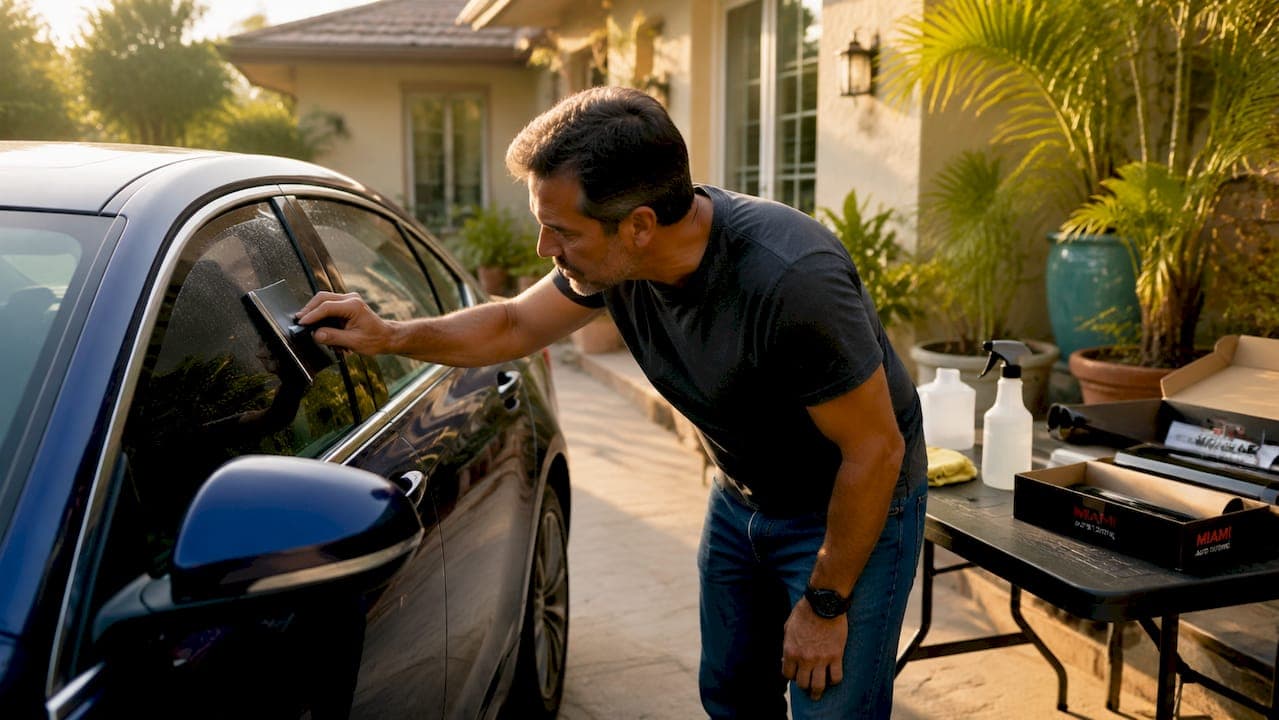
Signal-friendly auto tint is defined as non-metallic window film that blocks heat and UV rays without disrupting cellular, GPS, or radio signals. The industry standard term for this category is "non-metallic window film," and it covers three main technologies: ceramic, nano-ceramic, and carbon. Unlike older metallic tints, these films use non-conductive particles that let radio frequency signals pass through glass without interference. Brands like 3M and LLumar build their top automotive lines around this technology. If you drive a connected vehicle, rely on GPS navigation, or simply want your phone to work normally inside your car, understanding what is signal-friendly auto tint is the single most useful thing you can do before booking a tint appointment.
What is signal-friendly auto tint and how does it work?
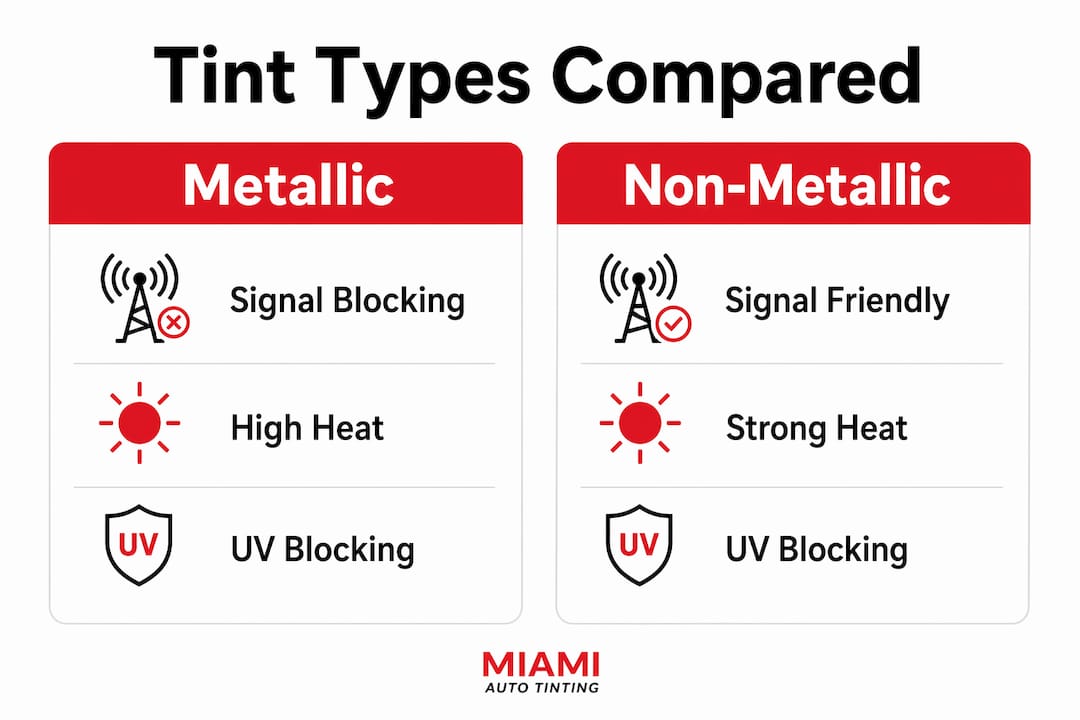
Signal-friendly auto tint works by using non-conductive particles, typically nano-ceramic or carbon compounds, instead of metal to filter heat and light. Metal conducts electricity and reflects electromagnetic waves. When metallic films coat your windows, they act like a partial Faraday cage, bouncing cellular and GPS signals before they reach your phone or antenna.
Non-metallic films maintain zero signal interference while still delivering strong heat rejection and UV blocking. That combination is what makes ceramic and carbon films the preferred choice for modern drivers. The particles in these films absorb infrared radiation without conducting electricity, so your phone, GPS unit, and satellite radio all function normally.
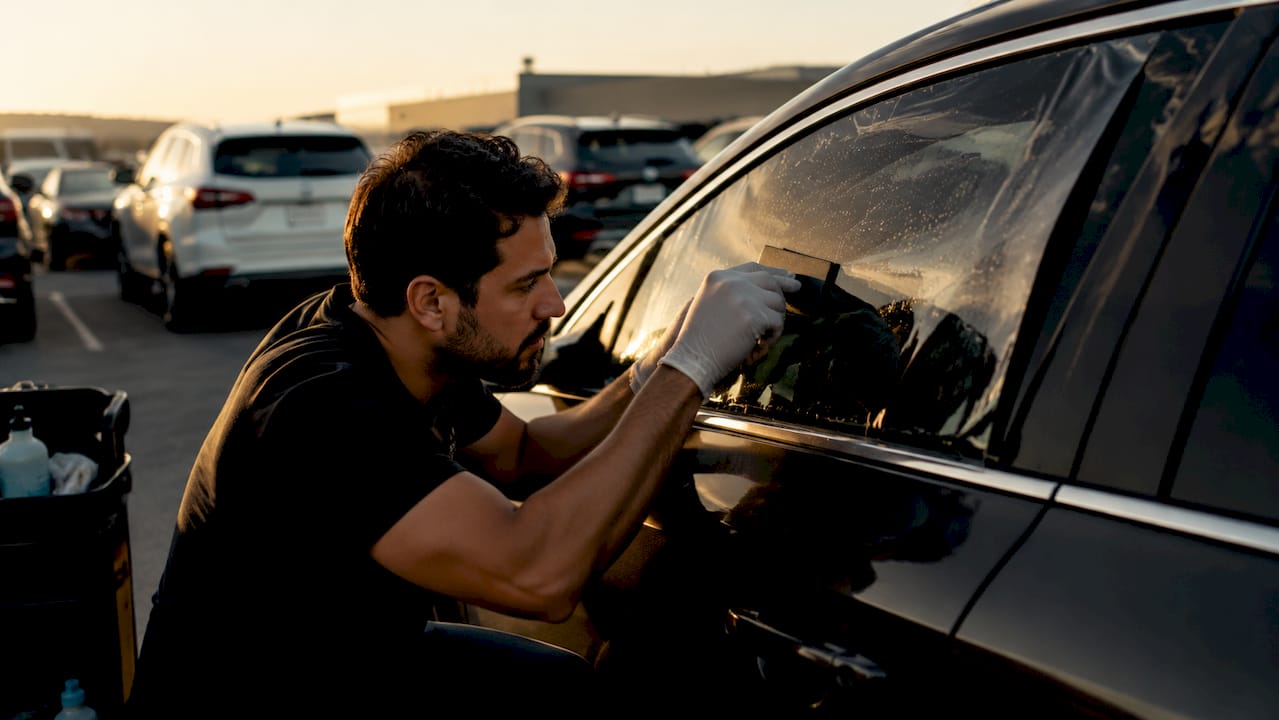
The term "signal-friendly" is not an official industry certification. It is a descriptive label that tint shops and manufacturers use to communicate that a film is metal-free. When you see it on a product spec sheet, verify that the film is explicitly listed as non-metallic or metal-free before purchasing.
How different tint materials affect wireless signals
The material inside a window film determines whether it blocks signals. This is the most misunderstood fact in auto tinting.
Metallic films cause signal loss in every documented case of tint-related connectivity problems. The conductive metal particles in these films reflect electromagnetic waves the same way a metal roof blocks cell reception. GPS accuracy drops, calls cut out, and satellite radio stutters. The effect is consistent and predictable.
Ceramic, nano-ceramic, and carbon films behave differently. Metal-free films do not interfere with wireless communications because their particles are non-conductive. Radio frequency signals from cell towers, GPS satellites, and radio stations pass through the glass as if the film were not there.
The table below compares the four main tint types across the factors that matter most to connected drivers.
| Tint type | Signal impact | Heat rejection | UV blocking | Best for |
|---|---|---|---|---|
| Metallic | High interference | Good | Good | Older vehicles, no electronics |
| Ceramic | None | Excellent | Up to 99%+ | Modern, tech-equipped vehicles |
| Nano-ceramic | None | Excellent | Up to 99%+ | EVs, luxury vehicles |
| Carbon | None (if metal-free) | Good | Good | Budget-conscious drivers |
| Dyed | None (if metal-free) | Low | Moderate | Entry-level privacy only |
Pro Tip: Ask your installer for the film's technical data sheet and confirm the words "metal-free" or "non-metallic" appear explicitly. A film labeled "ceramic" can still contain metallic layers in lower-grade products.
Benefits of signal-friendly auto tint beyond connectivity
The connectivity advantage gets most of the attention, but ceramic tint offers premium UV blocking, infrared heat rejection, and visual clarity that make it worth the investment on its own terms. These films protect your car's interior, reduce driver fatigue, and improve comfort on long drives.
Quality ceramic and nano-ceramic films block up to 99% of UV rays. That level of UV protection prevents dashboard cracking, seat fading, and the skin damage that accumulates during daily commutes. It also reduces the greenhouse effect inside a parked car, which matters significantly in hot climates like Miami.
The advantages of signal-friendly window film stack up quickly:
- No signal interference. Cellular, GPS, and radio signals pass through without degradation.
- Heat rejection. Ceramic films reject a substantial portion of solar heat, keeping cabin temperatures lower without overworking your AC.
- UV protection. Blocks up to 99%+ of ultraviolet radiation, protecting both occupants and interior materials.
- Glare reduction. Cuts eye strain during sunrise and sunset driving without making visibility unsafe.
- Privacy and security. Darker shades make it harder for outsiders to see valuables inside your vehicle.
- Durability. Ceramic and nano-ceramic films resist fading and discoloration far longer than dyed films.
- Clarity. High-quality films like 3M Ceramic IR maintain optical clarity without the purple haze that dyed films develop over time.
For over 95% of modern drivers, non-metallic tint films cause no measurable difference in signal strength compared to untinted glass. That statistic puts the connectivity concern in perspective. The real question is not whether signal-friendly tint works. It is which non-metallic film gives you the best combination of heat rejection, UV protection, and durability for your budget.
Common misconceptions about tint and signal loss
The most persistent myth in auto tinting is that darker tint blocks more signal. Tint darkness does not impede signal. Metal content does. A very dark ceramic film at 5% visible light transmission causes zero signal interference. A lightly shaded metallic film at 50% VLT will degrade your GPS every time.
Drivers who notice signal problems after a tint installation often blame the film before checking other causes. Connectivity issues blamed on tint are often due to external factors such as device placement, software updates, or network coverage gaps. A phone sitting flat on the center console receives weaker signal than one mounted upright near the windshield, regardless of what film is on the glass.
Pro Tip: If you notice signal drops after a tint install, test your phone in the same locations before concluding the tint is the cause. Drive the same route with the windows down and compare. If signal improves with windows down and the film is ceramic, the issue is almost certainly your carrier's coverage, not the tint.
Rear window antennas add another layer of complexity. Many vehicles embed AM/FM, satellite radio, or cellular antennas directly into the rear defroster grid. Applying any film over these grids, even a non-metallic one, requires careful technique. Installation quality impacts performance for tech-integrated vehicles, and a careless installer can cause minor signal degradation even with a premium ceramic film.
How to choose and install signal-friendly tint for your vehicle
Choosing the right signal-friendly window film comes down to three decisions: material, brand, and installer. Get all three right and you will not have a connectivity problem.
- Confirm the film is metal-free. Ask for the technical data sheet. Look for "non-metallic," "metal-free," or "nano-ceramic" in the product description. Do not rely on the word "ceramic" alone, since some hybrid films include metallic layers.
- Choose a reputable brand. 3M Ceramic IR, LLumar FormulaOne, and Iviron Kollmax are established products with documented non-metallic compositions. These brands publish their specs publicly and stand behind their performance claims.
- Check your state's VLT laws. Florida law sets minimum visible light transmission limits by window position. Rear side windows and back glass have different rules than front side windows. Installing a film that violates these limits creates legal risk regardless of its signal properties.
- Select an installer who understands vehicle electronics. Modern vehicles, especially EVs and luxury cars, have antennas embedded in glass, sensors behind windshields, and cameras in rear windows. A qualified installer knows where these components sit and works around them.
- Address rear window antennas specifically. Precision in applying tint over rear glass antennas or heating grids is critical even with non-metallic films. Ask your installer how they handle defroster grids before they start.
- Consider your budget realistically. Budget-conscious car owners can achieve signal-friendly tinting with well-specified carbon or dyed films, provided they are certified metal-free. Ceramic is the premium choice, but a certified metal-free carbon film from a known brand is a solid alternative.
You can compare ceramic vs. carbon window tints in detail to decide which fits your priorities and budget before committing to an installation.
Key Takeaways
Signal-friendly auto tint is any metal-free window film, primarily ceramic, nano-ceramic, or carbon, that blocks UV rays and heat while allowing cellular, GPS, and radio signals to pass through uninterrupted.
| Point | Details |
|---|---|
| Metal content causes interference | Metallic films block signals; ceramic and carbon films do not, regardless of darkness level. |
| Darkness is not the issue | A dark ceramic film causes zero signal loss; a light metallic film causes consistent interference. |
| Installation quality matters | Even non-metallic films require careful application around embedded rear window antennas. |
| Budget options exist | Certified metal-free carbon films deliver signal compatibility at a lower price point than ceramic. |
| Verify specs before buying | Confirm "metal-free" or "non-metallic" on the technical data sheet, not just the product name. |
Why I always recommend going ceramic from the start
Drivers ask me constantly whether they really need to spend more on ceramic tint. My honest answer is yes, and not just because of signal performance.
I have seen cars come in after a budget metallic tint job where the owner could not figure out why their GPS kept losing lock on I-95. The film looked fine. The phone was fine. The problem was the metallic particles in the film reflecting the GPS signal before it reached the receiver. Swapping to a ceramic film fixed it immediately. That kind of misdiagnosis costs drivers time, money, and frustration.
What surprises most car owners is how much the non-signal benefits add up. In Miami's heat, a quality ceramic film like 3M Ceramic IR or Iviron Kollmax makes a real difference in cabin temperature. You get in a car that has been sitting in the sun and it is noticeably cooler than an untinted vehicle or one with a dyed film. That heat rejection also means your AC works less hard, which matters for fuel economy and EV range.
The advantages of ceramic tint for Miami drivers go beyond what any spec sheet captures. Professional installation is the part most people underestimate. A great film installed carelessly around a rear defroster grid will underperform a decent film installed correctly. Always ask your installer specifically how they handle embedded antennas. If they look confused by the question, find someone else.
— Jose
Professional signal-friendly tinting from Southmiamitint
Southmiamitint installs 3M Ceramic IR, 3M Color Stable, and Iviron Kollmax ceramic tint across Miami-Dade, and every film in that lineup is non-metallic and fully signal-friendly.
The mobile service means a certified installer comes to your home, office, or anywhere in Miami-Dade, so you do not lose a day dropping your car at a shop. Every installation covers UV protection, heat rejection, and signal compatibility, with proper technique around rear window antennas and factory sensors. Book your ceramic window tint in Miami starting from $249, or explore the full 3M ceramic film options to find the right fit for your vehicle and budget.
FAQ
What is signal-friendly auto tint made of?
Signal-friendly auto tint is made from non-metallic materials, primarily ceramic, nano-ceramic, or carbon compounds. These materials block UV rays and heat without conducting electricity or reflecting wireless signals.
Does dark tint block cell phone signal?
Tint darkness does not block cell signal. The presence of metallic particles in the film causes interference, not the shade level. A dark ceramic film causes zero signal loss.
Can any tint interfere with GPS?
Metallic window films can interfere with GPS by reflecting electromagnetic waves before they reach your vehicle's receiver. Non-metallic ceramic and carbon films do not cause this problem.
Is ceramic tint worth the extra cost?
Ceramic tint delivers better heat rejection, longer durability, and guaranteed signal compatibility compared to dyed or metallic films. For drivers with connected vehicles or GPS-dependent navigation, the performance difference justifies the price.
How do I know if my tint is signal-friendly?
Ask your installer for the film's technical data sheet and confirm it is labeled "metal-free" or "non-metallic." Brands like 3M and LLumar publish these specs publicly for their ceramic product lines.