
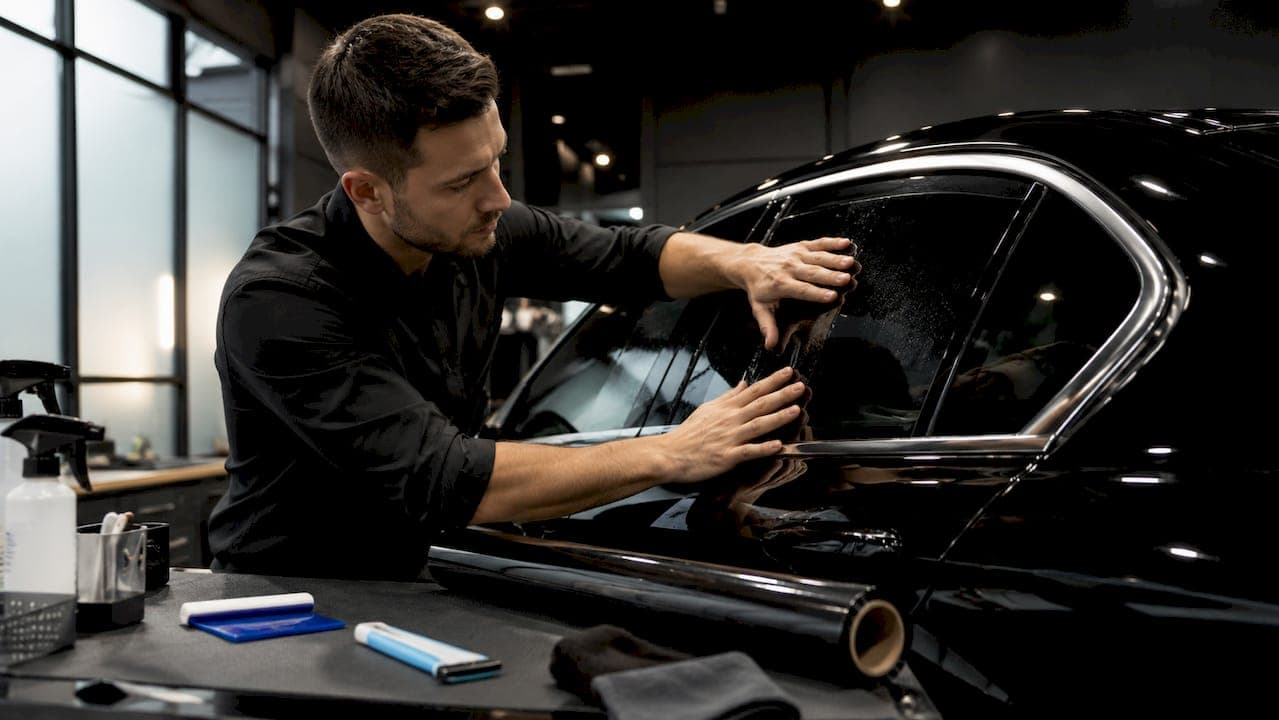
High-end vehicle tinting is the process of applying specialized ceramic or premium films to a luxury car's glass surfaces to block heat, filter UV radiation, and protect the interior from sun damage. Pinecrest owners face some of the most intense solar exposure in South Florida, making quality tinting a practical necessity rather than a cosmetic upgrade. Nano-ceramic tint provides superior heat rejection compared to traditional dyed or metallic films. The right film preserves leather seats, protects electronics, and keeps cabin temperatures manageable year-round.
1. What makes ceramic window tint the top choice for luxury cars in Pinecrest?
Ceramic window tint is the industry standard for luxury vehicle protection in South Florida. Unlike dyed films that fade or metallic films that interfere with GPS and cell signals, ceramic tint uses nano-ceramic particles to block infrared heat without affecting electronics. That distinction matters on a Porsche, Range Rover, or Mercedes with built-in navigation and driver-assist systems.
Ceramic tint lowers interior temperatures significantly, which reduces the load on your air conditioning and protects heat-sensitive materials like dashboard trim and leather upholstery. Pinecrest's sun intensity accelerates interior fading faster than most owners expect. A quality ceramic film rated for high UV rejection addresses that directly.
Key advantages of ceramic tint for luxury vehicles:
- Blocks up to 99% of UV-A and UV-B radiation, protecting leather and wood trim
- Rejects infrared heat without darkening the glass excessively
- Does not interfere with Bluetooth, GPS, or satellite radio signals
- Maintains optical clarity, preserving the vehicle's original look
- Resists bubbling and discoloration over time, unlike dyed alternatives
Pro Tip: Ask your installer for the film's Total Solar Energy Rejected (TSER) rating before committing. A higher TSER means more heat stays outside the cabin, which matters most during Pinecrest's june through september heat peak.
2. Top 10 high-end vehicle tint films and technologies available in Pinecrest
The tinting market offers a wide range of premium film technologies. Not all perform equally on luxury vehicles. Here are the ten most relevant options for Pinecrest owners.
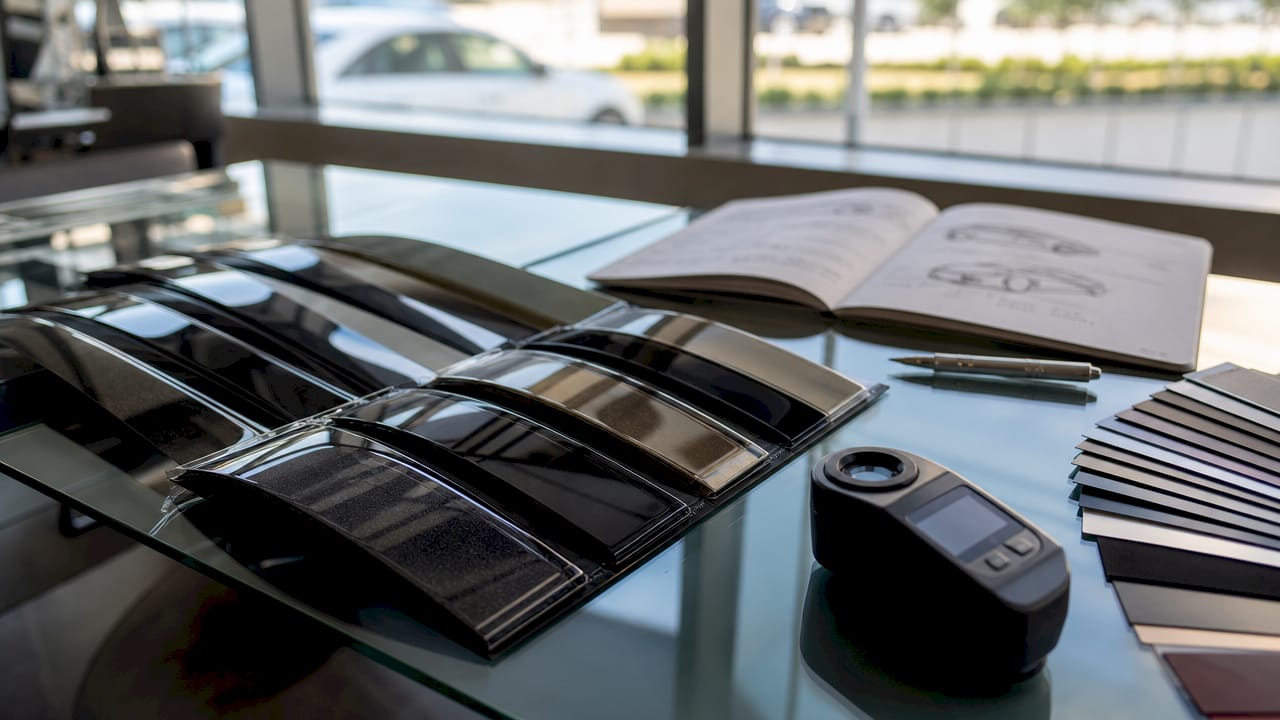
1. Nano-ceramic films Nano-ceramic films are the top tier for heat rejection and UV protection. They use ceramic nanoparticles embedded in multiple film layers. Nano-ceramic tint protects interior surfaces from UV fading while keeping the cabin noticeably cooler.
2. 3M Ceramic IR Series 3M ceramic films are among the most recognized in the luxury vehicle segment. They carry lifetime manufacturer warranties and deliver consistent heat rejection and optical clarity. Southmiamitint installs 3M IR as one of its primary film options.
3. Iviron Kollmax ceramic tint Iviron Kollmax is a ceramic film known for strong infrared blocking and color stability. It holds its shade over years of South Florida sun exposure without turning purple or hazy.
4. 3M Color Stable Series 3M Color Stable films prioritize long-term color retention. They resist fading and maintain a clean, factory appearance, which matters for owners who plan to sell or trade their vehicles.
5. Carbon blend films Carbon films combine carbon particles with polyester layers for solid heat rejection without the metallic sheen. They work well for owners who want a matte, understated look on darker vehicles.
6. Hybrid ceramic-carbon films These films blend ceramic and carbon technologies to balance heat rejection, durability, and price. They suit owners who want ceramic-level performance at a slightly lower cost point.
7. Infrared-blocking films IR-blocking films target the infrared spectrum specifically. They keep glass cool to the touch and reduce glare without requiring a very dark shade, which helps with Florida's legal tint limits.
8. Crystalline films Crystalline films are nearly clear and reject significant heat. They work best on windshields where dark tinting is restricted by law. Owners of collector cars stored indoors still benefit from UV blocking on the front glass.
9. Safety and security films Thicker security films hold shattered glass together on impact. They add a layer of protection for high-value vehicles parked in public areas, though they are not primarily heat-rejection products.
10. Dual-reflective films Dual-reflective films reduce interior glare while maintaining a low-reflectivity exterior appearance. They suit owners who prioritize daytime privacy without a mirror-like finish.
Pro Tip: For Pinecrest car collection tinting, pair a crystalline film on the windshield with a nano-ceramic film on side and rear glass. You get maximum heat rejection across all surfaces while staying within Florida's legal limits.
3. How to choose the right tinting option based on your vehicle and lifestyle
Choosing the right film depends on how you use your vehicle, where you park it, and what you value most.
Daily driver vs. collector vehicle A daily driver sits in Pinecrest parking lots and open driveways for hours. It needs the highest heat rejection available, which points directly to nano-ceramic or 3M IR films. A collector vehicle stored in a climate-controlled garage faces less heat stress but still needs UV protection to preserve paint and interior materials over decades.
Outdoor parking vs. garage storage Outdoor parking in Pinecrest's sun accelerates interior aging faster than most owners realize. Ceramic tint significantly lowers interior temperatures for vehicles parked outside, making it the clear choice for daily-use luxury cars. Garage-stored vehicles benefit more from UV-blocking films that protect against the ambient light that still enters through windows.
Florida tint laws and your selection Florida's legal tint limits affect which shades you can apply to front side windows and the windshield. A 20% visible light transmission (VLT) film on front windows may result in a citation. Work with an installer who knows Florida's regulations and can recommend compliant shades that still deliver strong heat rejection.
Complementary protection options Combining paint protection film with ceramic window tinting gives luxury vehicles full exterior and interior coverage. PPF guards the hood, fenders, and bumper against rock chips. Ceramic tint handles heat and UV from the inside. Together, they address the two biggest threats to a luxury vehicle's long-term value in South Florida.
Consider these factors when making your final choice:
- Vehicle color: darker exteriors absorb more heat, making high-TSER films more critical
- Interior materials: full leather and wood trim interiors need maximum UV blocking
- Resale plans: factory-appearance films like 3M Color Stable protect resale value
- Privacy needs: rear passenger tinting can be darker under Florida law than front windows
- Budget: nano-ceramic films cost more upfront but outlast entry-level films by years
4. Maintenance tips and longevity expectations for premium vehicle tints
Premium ceramic films last significantly longer than dyed or metallic alternatives, but only with proper care. The Pinecrest climate adds specific maintenance considerations.
Proper cleaning extends ceramic tint lifespan and preserves its appearance. Use a mild, ammonia-free cleaner and a soft microfiber cloth. Ammonia-based products degrade the film's adhesive layer over time, causing peeling at the edges.
What to avoid:
- Abrasive sponges or paper towels that scratch the film surface
- Ammonia-based glass cleaners like standard window sprays
- Rolling down windows within the first 72 hours after installation
- Parking under direct sun immediately after installation during the curing period
- Pressure washing directly at window edges
Signs that a film needs replacement include purple or brown discoloration, bubbling along the edges, and reduced heat rejection that you notice as increased cabin warmth. High-quality ceramic films installed by a certified professional typically last well beyond five years under South Florida conditions.
Pro Tip: After installation, wait at least three days before cleaning your windows. The adhesive needs time to cure fully, especially in Pinecrest's humidity. Cleaning too early lifts the film at the edges.
Key takeaways
Ceramic window tint is the most effective protection for luxury vehicles in Pinecrest because it blocks infrared heat, filters UV radiation, and preserves interior materials without interfering with vehicle electronics.
| Point | Details |
|---|---|
| Ceramic tint leads for luxury cars | Nano-ceramic and 3M IR films deliver the best heat rejection and UV protection for high-end interiors. |
| Florida law limits tint darkness | Front side windows must meet legal VLT limits; work with a certified installer to stay compliant. |
| Outdoor parking demands higher TSER | Vehicles parked in Pinecrest's sun need films with the highest Total Solar Energy Rejected ratings. |
| PPF and ceramic tint work together | Combining both protects exterior paint and interior surfaces for full vehicle preservation. |
| Proper cleaning extends film life | Use ammonia-free cleaners and soft microfiber cloths to keep ceramic films performing for years. |
What I've learned from years of tinting luxury vehicles in Pinecrest
The most common mistake I see is owners choosing a film based on shade alone. They want a dark look, so they pick a 20% VLT film without checking Florida's front-window rules or asking about heat rejection ratings. The result is a citation and a film that may not even perform well on heat.
The second pattern I notice is underestimating how much the Pinecrest sun damages interiors. Owners who garage their cars think they are safe. They are not. UV light still enters through unprotected glass during the hours the car sits in a parking lot or driveway. A crystalline or near-clear ceramic film on the windshield solves this without changing the vehicle's appearance at all.
The trend I find most worth following is combining ceramic tint with PPF as a standard package for luxury vehicles. Separately, each product does its job. Together, they protect the car from every angle. For a $100,000 vehicle, the combined cost is a small fraction of the protection it delivers.
My strongest recommendation is to use a certified professional installer who works in a controlled environment. Film applied in dusty or humid conditions traps particles under the surface. On a luxury vehicle, that is visible and permanent. The installation environment matters as much as the film itself.
— Jose
Southmiamitint's mobile ceramic tinting for Pinecrest luxury vehicles
Southmiamitint specializes in mobile ceramic window tinting for luxury vehicles across Miami-Dade, including Pinecrest. The service comes to your location, so your vehicle never sits in a shop queue.
Southmiamitint installs 3M IR ceramic films, 3M Color Stable, and Iviron Kollmax ceramic tint, covering the full range of premium film options for high-end vehicles. Every installation follows Florida's legal tint requirements. Southmiamitint also offers 3M window tint options for owners who want manufacturer-backed film with a lifetime warranty. Schedule a consultation to find the right film for your vehicle, your parking situation, and your budget.
FAQ
What is the best tint film for luxury cars in Pinecrest?
Nano-ceramic and 3M IR ceramic films are the top choices for luxury vehicles in Pinecrest. They deliver the highest heat rejection and UV protection while preserving optical clarity and interior electronics.
Is 20% tint legal in Florida?
Florida's tint laws restrict front side windows to specific VLT minimums, and 20% tint on front windows may result in a citation. Rear windows allow darker shades, so consult a certified installer before selecting your shade.
How long does ceramic tint last on a luxury vehicle?
Ceramic tint installed by a professional in a controlled environment typically lasts well beyond five years, even under South Florida's intense sun. Proper cleaning with ammonia-free products extends that lifespan further.
Does ceramic tint interfere with GPS or Bluetooth?
Ceramic tint does not interfere with GPS, Bluetooth, or satellite radio signals. Metallic films can block signals, but ceramic films use non-conductive particles that leave electronics fully functional.
Should I combine ceramic tint with paint protection film?
Combining PPF and ceramic tint is the recommended approach for luxury vehicles in Pinecrest. PPF protects the exterior paint from chips and impacts, while ceramic tint handles interior heat and UV protection.