
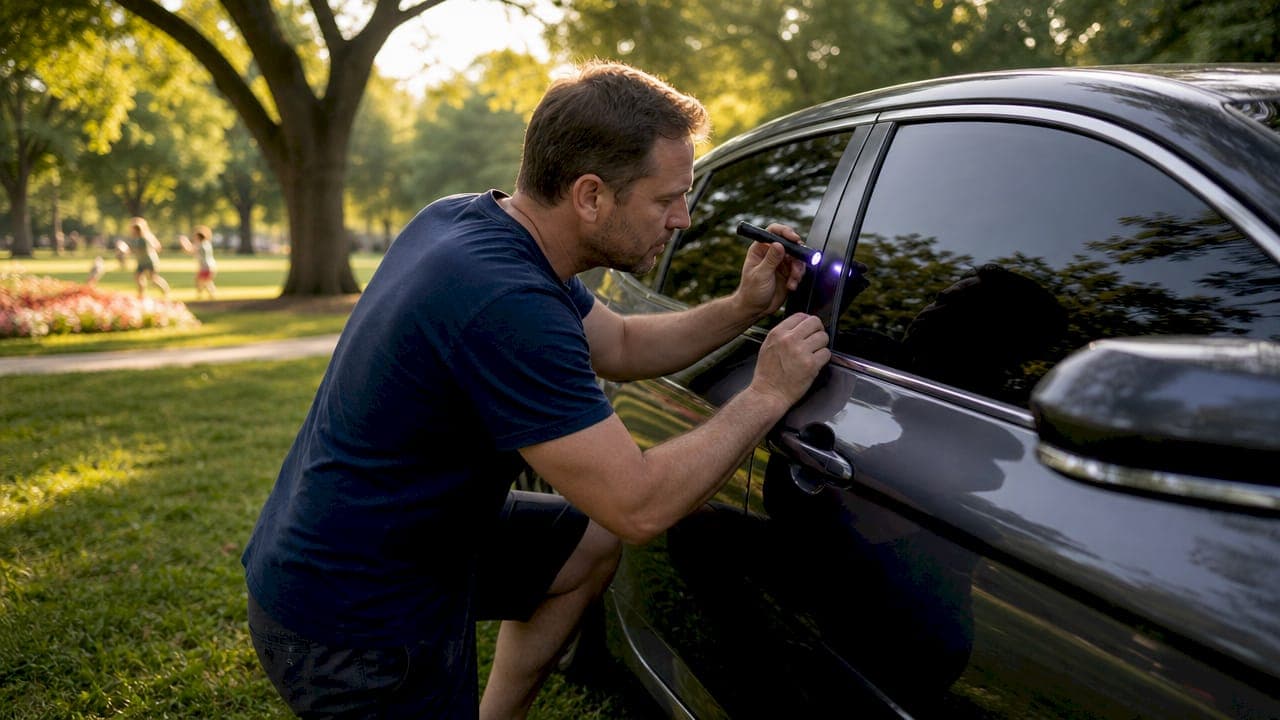
Tinting performance is defined by how effectively a window film blocks solar energy across ultraviolet, visible, and infrared wavelengths. The industry standard for measuring this is Total Solar Energy Rejection, or TSER. Car owners who focus only on how dark a tint looks, or on a single infrared rejection number, often end up with a film that underperforms in real driving conditions. Explaining tinting performance accurately means understanding TSER alongside infrared rejection, Visible Light Transmission, and UV blocking. Each metric tells a different part of the story.
What are the key metrics in explaining tinting performance?
TSER is the most reliable metric for measuring how much total solar heat a film blocks. It accounts for reflectance, absorbance, and transmittance across the full solar spectrum, including UV, visible light, and infrared radiation. That makes it the single number most predictive of how cool your cabin will feel.
Here is what each core metric actually measures:
- TSER (Total Solar Energy Rejection): The percentage of all incoming solar energy blocked by the film. A higher TSER means a cooler cabin. This is your primary evaluation tool.
- Infrared (IR) Rejection: Measures how much heat-carrying infrared radiation the film blocks. Watch for whether a spec sheet lists peak IR rejection at a single wavelength or full-band IR across the 780–2500 nm spectrum. Peak IR figures can be misleading.
- Visible Light Transmission (VLT): The percentage of visible light that passes through the film. VLT controls tint darkness and legal compliance, not heat rejection.
- UV Rejection: Measures protection from ultraviolet radiation. Nearly all quality films, whether dyed, carbon, or ceramic, block 99% or more of UV rays. UV blocking protects your skin and prevents interior fading, but it does not reduce cabin heat on its own.
| Metric | What it measures | Heat rejection? |
|---|---|---|
| TSER | Total solar energy blocked | Yes, most complete |
| IR Rejection | Infrared heat blocked | Partial, check full-band |
| VLT | Visible light passing through | No |
| UV Rejection | Ultraviolet radiation blocked | No |
Pro Tip: Always ask your installer for the full-band IR rejection figure and the TSER value together. A film with 90% peak IR rejection at 900 nm may perform far worse across the full infrared spectrum than its spec sheet implies.
How do different tint technologies impact tinting performance?
Film technology is the single biggest driver of tinting performance analysis. Three main categories exist in the automotive market: dyed, carbon, and ceramic.
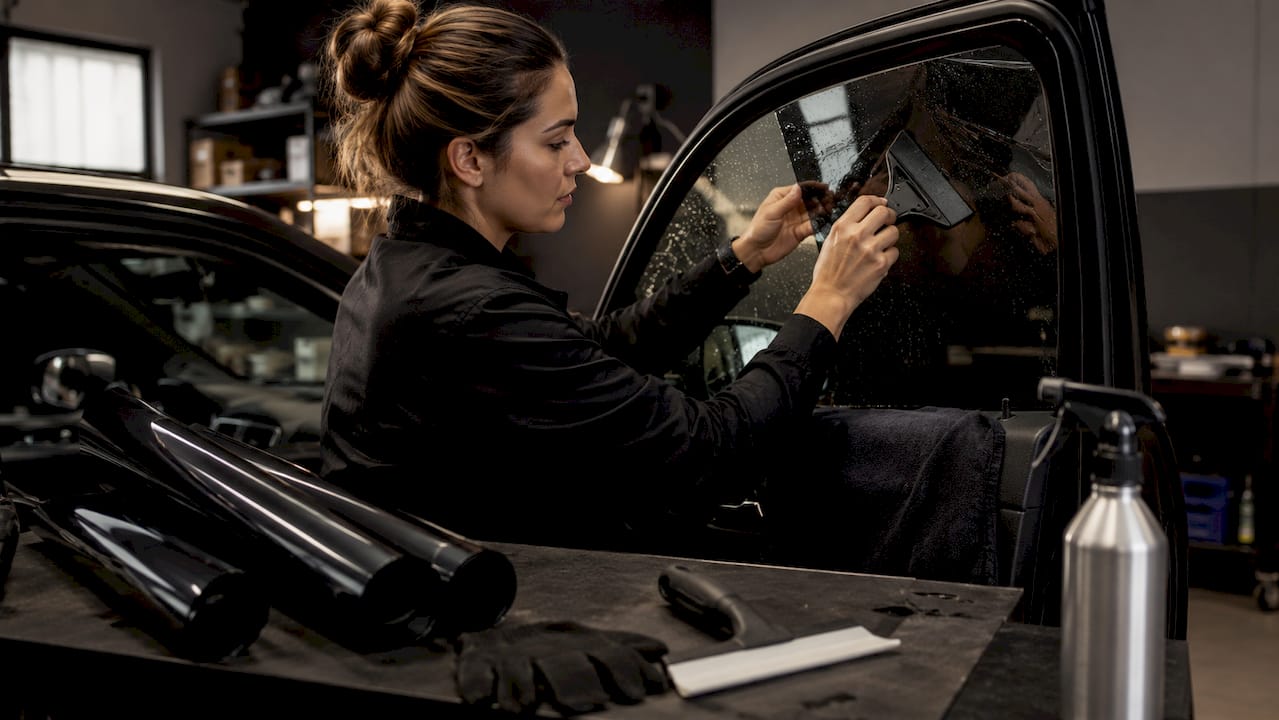
Dyed films are the entry point. They absorb solar energy rather than reflect it, which means they heat up and re-radiate some of that energy back into the cabin. Basic dyed films achieve TSER values of 30–40%. They fade faster, typically within three to five years, and carry limited warranties.
Carbon films perform better. They do not fade like dyed films and offer improved infrared rejection without metallic content. TSER values for carbon films generally fall in the 40–55% range. They represent a solid middle ground for vehicle owners who want real performance without the premium price of ceramic.
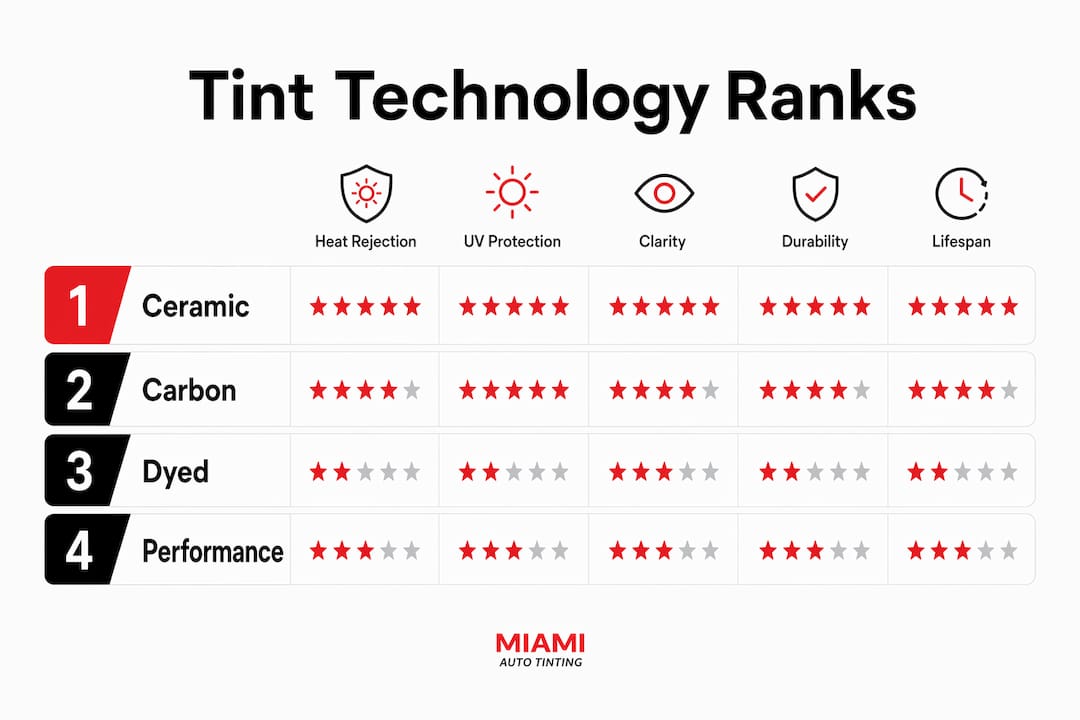
Ceramic films are the top tier. Premium ceramic and nano-ceramic films can reject up to 94% of infrared heat and achieve TSER values of 60–65%. That translates to cabin temperature reductions of up to 25–30°F in peak sun conditions. Ceramic films also carry no metallic content, which means they do not interfere with GPS, mobile signals, or toll transponders. Nano-ceramic films have no signal interference unlike metallic alternatives.
| Film type | Typical TSER | IR rejection | Lifespan | Cost range (sedan) |
|---|---|---|---|---|
| Dyed | 30–40% | Low | 3–5 years | $150–$300 |
| Carbon | 40–55% | Moderate | 5–8 years | $250–$500 |
| Ceramic | 60–65% | High (up to 94%) | 10–15+ years | $400–$900 |
Cost figures reflect 2026 professional installation pricing for standard sedans.
Pro Tip: If you live in a hot climate like South Florida and plan to keep your vehicle for more than three years, ceramic film pays for itself in comfort and reduced AC load. For a daily driver in a mild climate, carbon film offers strong value.
What common misconceptions exist about tint performance metrics?
The most expensive mistake car owners make is choosing a tint based on darkness or a single IR number. These are the most common misunderstandings in tinting performance analysis:
- Darker tint does not mean better heat rejection. A 5% VLT dyed film can perform worse on heat than a 50% VLT ceramic film. A light ceramic film outperforms a dark dyed film on heat reduction because performance comes from film chemistry, not darkness.
- Peak IR rejection is not full-band IR rejection. Infrared rejection claims often cite peak IR at a single wavelength around 900–1000 nm. The full infrared spectrum runs from 780 to 2500 nm. A film that blocks 99% at one wavelength may block far less across the rest.
- UV rejection does not cool your car. UV protection is real and valuable. It prevents skin damage and interior fading. But UV radiation makes up a small fraction of total solar energy, so blocking it alone does not reduce cabin temperature.
- VLT is a legal and aesthetic metric, not a performance metric. State laws regulate VLT minimums for safety reasons. Choosing a lower VLT for the look is fine, but do not confuse it with heat rejection.
Choosing a tint based on darkness or a single IR number is like judging a car's fuel economy by its paint color. TSER gives you the full picture. A clear ceramic film with a TSER of 62% will keep your cabin cooler than a near-blackout dyed film with a TSER of 35%, every single time.
Pro Tip: When reviewing a tint spec sheet, skip straight to the TSER value. If a product does not list TSER, ask why. Reputable films always publish it.
How does tinting performance translate to real-world benefits for car owners?
Understanding tinting effectiveness in spec terms is one thing. Feeling it on a July afternoon in Miami is another. Here is how the numbers connect to daily driving life:
- Cabin temperature reduction. A 10-point increase in TSER above 50% correlates to roughly 8–12°F of dashboard cooling and 4–6°F of cabin air cooling in intense sunlight. In a hot climate, that difference is immediate and significant.
- Interior protection. UV radiation degrades leather, vinyl, and dashboard plastics over time. Quality tint film blocks 99% of UV rays, which extends the life of your interior and preserves resale value.
- Glare reduction. Reduced visible light transmission cuts glare from direct sun and headlights. This lowers eye strain on long drives and improves reaction time in bright conditions.
- Reduced AC load. A cooler cabin means your air conditioning system works less hard. For combustion engine vehicles, that means better fuel efficiency. For electric vehicles, it means more range per charge, since cabin cooling is one of the largest draws on the battery.
- Long-term value. Ceramic tint can pay for itself within 18 months through heat comfort and energy savings in hot climates. With a lifespan of 10–15 years and lifetime warranties on premium films, the math favors the upfront investment.
Professional installation matters as much as film selection. A poorly applied film bubbles, peels, and loses adhesion, which destroys both performance and appearance. Professional vs. DIY installation is not a close comparison when long-term performance is the goal. A certified installer also validates your warranty, which most manufacturers void on self-applied films.
Pro Tip: Before booking an installation, ask for the TSER and full-band IR specs for the specific film going on your car, not just the product line. Film performance can vary significantly within the same brand's catalog.
Key Takeaways
TSER is the definitive metric for evaluating tint performance, and ceramic films consistently deliver the highest TSER values, longest lifespan, and best real-world comfort gains for vehicle owners in hot climates.
| Point | Details |
|---|---|
| TSER is the top metric | Always evaluate tint by TSER, which covers the full solar spectrum, not just IR or VLT. |
| Darkness does not equal heat rejection | A light ceramic film can outperform a dark dyed film on heat blocking due to film chemistry. |
| Ceramic films lead on performance | Ceramic films achieve TSER of 60–65% and IR rejection up to 94%, far above dyed or carbon options. |
| UV blocks fading, not heat | UV rejection protects skin and interiors but contributes minimally to cabin temperature reduction. |
| Professional installation is non-negotiable | Certified installation preserves film performance, appearance, and manufacturer warranty coverage. |
What I've learned from years of reading tint spec sheets
Most clients who walk in asking for "the darkest tint" are actually asking for the coolest car. Those are two different requests, and conflating them leads to real disappointment. I have seen vehicle owners pay for a near-blackout dyed film, then complain six months later that their cabin still feels like an oven. The film looked aggressive, but the TSER was under 35%.
The shift I always recommend is this: lead with TSER, then choose your VLT based on aesthetics and local regulations. When you choose the right tint based on performance specs rather than appearance alone, the results are night and day. Ceramic films, specifically nano-ceramic options like 3M IR and Iviron Kollmax, deliver TSER values that dyed films simply cannot match, and they do it without blocking your phone signal or GPS.
The other thing I stress is warranty verification. A film with a lifetime warranty is only as good as the installer who applies it. Manufacturers require certified installation for warranty coverage. Skipping that step to save $50 on labor is the most expensive shortcut I see vehicle owners take.
For anyone in Miami Dade, the climate makes this decision straightforward. High TSER ceramic film is not a luxury here. It is the practical choice.
— Jose
Southmiamitint's ceramic tint services for Miami vehicles
Southmiamitint installs 3M IR, 3M Color Stable, and Iviron Kollmax ceramic films on vehicles across Miami Dade, with mobile service that comes directly to your location. Every installation is performed by certified technicians who validate your manufacturer warranty on the spot.
For vehicle owners ready to move from marketing claims to real performance numbers, Southmiamitint's ceramic window tint service starts at $249 and covers the full range of TSER-rated films for sedans, SUVs, and trucks. Pricing tiers reflect film grade and vehicle size, and every job includes a detailed spec sheet so you know exactly what TSER and IR values your film delivers. Check current mobile tinting prices and book directly through the site.
FAQ
What is TSER and why does it matter for window tint?
TSER stands for Total Solar Energy Rejection and measures the percentage of all solar energy a film blocks across UV, visible, and infrared wavelengths. It is the most complete and reliable metric for predicting how much a tint will reduce cabin heat.
Does a darker tint always block more heat?
No. Tint darkness is measured by VLT, which has no direct relationship to heat rejection. A light ceramic film with high TSER can outperform a dark dyed film in cabin cooling.
What is the difference between peak IR and full-band IR rejection?
Peak IR rejection measures performance at a single wavelength, typically around 900–1000 nm, while full-band IR covers the entire infrared spectrum from 780 to 2500 nm. Full-band IR is the more accurate and honest figure.
How long does ceramic tint last compared to dyed tint?
Ceramic tint lasts 10–15 years with minimal fading and typically carries a lifetime warranty. Dyed films generally last three to five years before fading and bubbling become visible.
Does window tint block UV rays regardless of film type?
Yes. Quality dyed, carbon, and ceramic films all block 99% or more of UV radiation. UV protection is consistent across film types, but it does not reduce cabin heat on its own.