
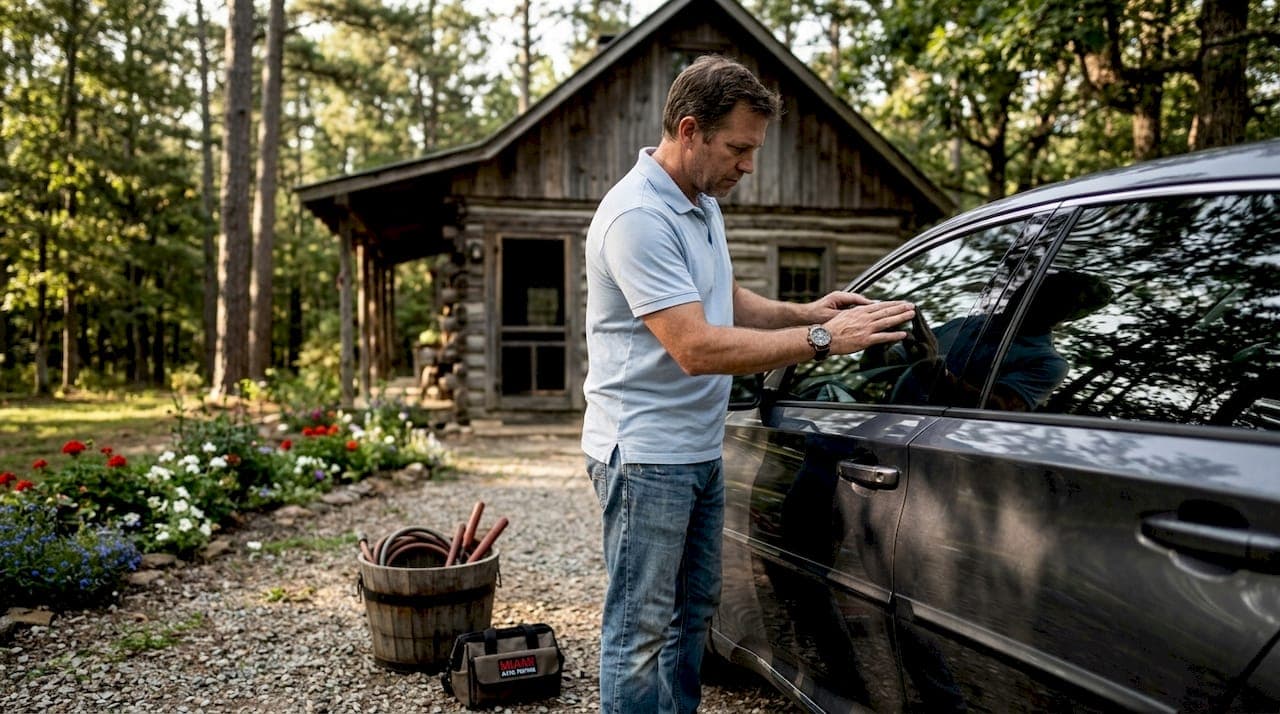
Not all window tint is created equal, and the difference between a cheap film and a premium one goes far beyond how dark your windows look. The role of tint film quality shapes everything from how much UV radiation reaches your skin to how cool your car stays on a blistering Miami afternoon. Many car owners pick a tint based on price or shade and end up with a film that fades within a year, blocks almost no heat, and barely protects their interior. This guide breaks down exactly what separates good tint from great tint, and why it matters more than most people realize.
Table of Contents
- Key takeaways
- How tint film quality is actually measured
- Real benefits that high-quality tint delivers
- What goes wrong with low-quality tint films
- How to choose the right tint film
- My honest take on tint quality after years in the field
- Get the film quality your car actually deserves
- FAQ
Key takeaways
| Point | Details |
|---|---|
| TSER is your best benchmark | Total Solar Energy Rejected is the most honest metric for comparing real-world heat performance across films. |
| Darkness does not equal performance | A dark film with low TSER still lets significant heat through, making shade a poor stand-in for quality. |
| UV protection extends interior life | High-quality films blocking 99%+ UV can extend your dashboard and leather lifespan by years. |
| Certifications reveal real specs | Look for NFRC certifications or ASTM/ISO lab reports to verify film performance claims before buying. |
| Professional installation preserves quality | Even a premium film underperforms when applied poorly, making expert installation a non-negotiable factor. |
How tint film quality is actually measured
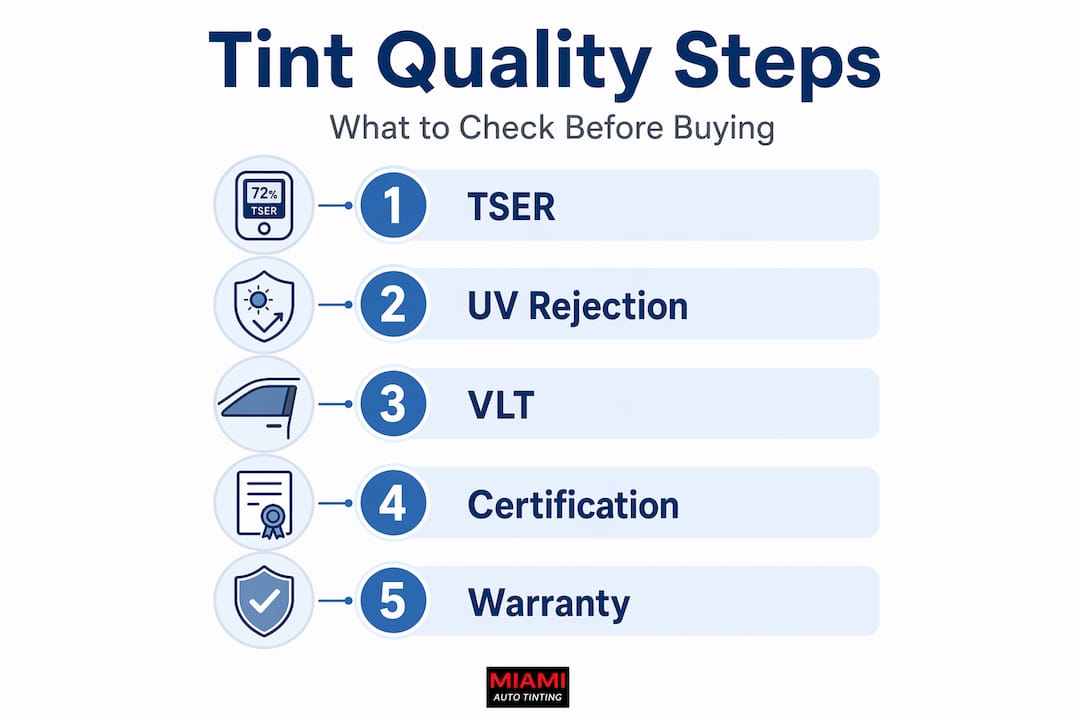
Most car owners walk into a tint shop and ask for "something dark." That single choice ignores five performance metrics that actually determine tint film effectiveness. Understanding these numbers puts you in control of what you are buying.
TSER (Total Solar Energy Rejected) is the metric that matters most. TSER accounts for all heat components, including UV radiation, visible light, and infrared energy, giving you a single honest percentage for real-world heat rejection. A film advertising 95% infrared rejection might still only achieve 40% TSER because it ignores the heat carried by visible light. That gap is where cheap films hide.
Infrared (IR) rejection measures how much heat from the infrared spectrum a film blocks. It sounds impressive in marketing materials, but many manufacturers highlight IR rejection while omitting TSER or SHGC, which paint a fuller picture of actual heat control. IR rejection alone tells you about one slice of the solar spectrum, not the whole story.
Here is a quick breakdown of the key metrics you should always ask about:
- TSER: Percentage of total solar energy rejected. Higher is better for heat control.
- IR Rejection: Percentage of infrared heat blocked. Useful but incomplete on its own.
- UV Rejection: Should exceed 99% on any quality film. Protects skin and interior materials.
- VLT (Visible Light Transmission): The percentage of visible light that passes through. Lower VLT means darker windows, but legal limits apply.
- SHGC (Solar Heat Gain Coefficient): A complementary metric to TSER. Lower values mean less solar heat enters the car.
| Metric | What it measures | Target for quality film |
|---|---|---|
| TSER | Total solar heat rejection | 50% or higher |
| IR Rejection | Infrared heat blocked | 80%+ for ceramic films |
| UV Rejection | Ultraviolet rays blocked | 99% or above |
| VLT | Visible light passing through | Legally compliant per state |
| SHGC | Solar heat gain through glass | Below 0.50 |
Pro Tip: When a tint shop gives you a brochure, look for TSER before anything else. If they cannot provide it, ask why.
Real benefits that high-quality tint delivers
The benefits of high-quality tint show up in ways you feel every single day. They are not abstract specs on a chart.
Interior protection is the most underappreciated benefit. High UV rejection films can extend interior life by five to seven years, slowing dashboard cracking, leather fading, and plastic degradation. The sun does relentless damage to car interiors, and a quality film with 99% UV protection acts like sunscreen applied permanently to every window.
Here is what you gain with a genuinely high-performance film:
- Heat comfort without cranking the AC. Cars with high TSER films reduce AC energy use by up to 12% in hot climates. In Miami heat, that translates directly into lower fuel costs and a car that cools down faster.
- Meaningful privacy. Quality films create consistent, uniform shading that genuinely limits outside visibility. Cheap films often look patchy or become transparent over time as they degrade.
- Shatter resistance and safety. Professional grade tint holds broken glass together during accidents, reducing the risk of glass injury and making smash-and-grab theft significantly harder.
- Reduced glare and driver fatigue. A good film cuts blinding glare from the sun and oncoming headlights without creating a dim, murky view. That balance matters on long drives or in Miami's afternoon sun.
- Resale value protection. A well-maintained interior and factory-fresh windows add real money back when you sell or trade in.
Pro Tip: Pair your tint choice with a look at your state's VLT requirements before you buy. Factory glass already reduces VLT slightly, so combining glass and film VLT incorrectly can put you below legal limits without realizing it.
What goes wrong with low-quality tint films
This is where understanding the importance of tint quality gets practical. Low-quality films do not just underperform. They create real problems that cost you money to fix.
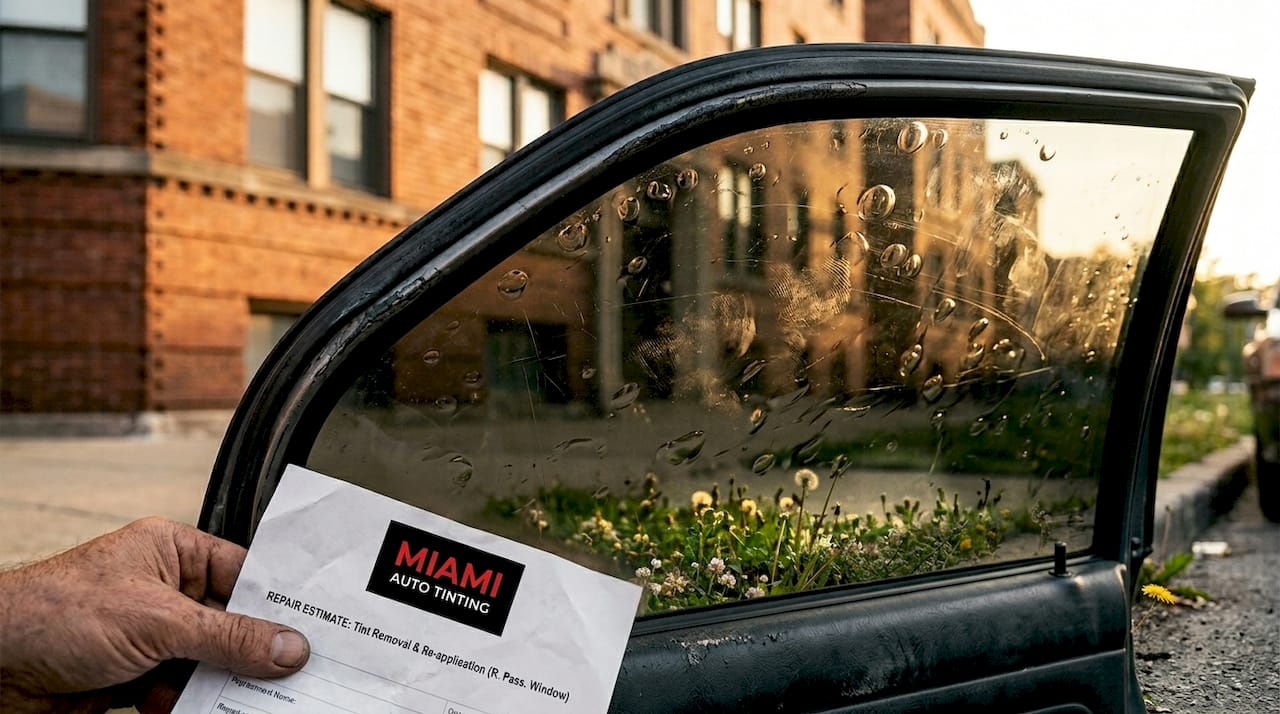
- Color inconsistency and uneven shading. Quality tints have uniform color and resist fading, while inferior films develop patches, purple discoloration, or bubbles within months. That purple tint you see on older cars is a telltale sign of a dye-based film breaking down in UV exposure.
- Bubbling and peeling. Adhesive failure on cheap films is common, especially in high-heat environments. Once a film starts peeling from the edges, it catches dirt and moisture and deteriorates fast.
- Misleading heat claims. A film might advertise high IR rejection but carry a TSER of 35%. You will still feel significant heat through the glass because visible light carries roughly half of solar heat energy.
- False or unverified statistics. Budget films rarely carry independent lab certifications. The numbers on their packaging may reflect ideal lab conditions, not real-world performance.
- Legal exposure from miscalculated VLT. When car owners layer a film VLT over factory glass without accounting for combined light transmission, they unknowingly drop below their state's legal minimum. That is an inspection failure and a ticket waiting to happen.
The pattern is consistent: low price on tint almost always means high cost elsewhere, whether in replacement, wasted AC energy, or legal fines.
How to choose the right tint film
Choosing well means knowing exactly what to ask and what to look for before you commit. Here is a step-by-step process that cuts through the noise.
- Request certified performance data. NFRC certifications and ASTM/ISO lab reports give you independently verified numbers you can trust. Any reputable film brand should have these on request.
- Evaluate TSER alongside UV and IR values. Do not make a decision based on one metric. A high-quality film will show strong numbers across all three. If a film only advertises one number, that is a red flag.
- Confirm your state's legal VLT limits. Florida law, for example, requires front side windows to allow at least 28% VLT. Know your numbers before you pick a shade.
- Assess the warranty. Premium films from brands like 3M and Iviron Kollmax ceramic carry multi-year warranties against fading, bubbling, and delamination. A short or absent warranty signals low confidence in the product.
- Choose professional installation over DIY. Professional tinting services provide expert application that eliminates air bubbles, ensures proper adhesion, and keeps your installation legally compliant. The film is only as good as the installation beneath it.
| Factor | What to look for | Red flag |
|---|---|---|
| TSER | 50% or higher | Not listed at all |
| UV rejection | 99% or above | Below 95% |
| Certification | NFRC or ASTM/ISO verified | Self-reported numbers only |
| Warranty | 3+ years on materials and labor | 1 year or less |
| Film brand | Established brand with data | Unknown or generic branding |
For a deeper look at matching films to your specific vehicle, choosing the right tint requires knowing your glass type and your driving habits. The best film for a Miami commuter is not the same as the best film for weekend highway driving.
My honest take on tint quality after years in the field
I have seen the full spectrum of tint choices, from clients who went budget and were back within a year asking for a redo, to clients who invested in ceramic film and are still calling us just to say thanks years later.
What changed my thinking early on was learning about TSER. Before that, I was like most people, looking at darkness level and IR claims. Once I understood that TSER combines all solar heat components into one real-world number, I stopped recommending anything that could not show me that figure independently verified.
The invisible benefits are where I have seen the biggest misconceptions. People assume darker means cooler. It does not. I have seen nearly black tint with terrible TSER scores that made the cabin feel like an oven. And I have seen lighter ceramic films that kept the car genuinely comfortable without ever straining the AC.
My honest advice: stop thinking about tint quality vs price as a tradeoff. Think about it as a calculation. Cheap tint costs less today and costs you more in heat, replacement, and frustration for the next three years. A quality ceramic film costs more upfront and then quietly does its job for the life of the car. That math is not even close once you factor in Miami summers.
— Jose
Get the film quality your car actually deserves
If this article has made one thing clear, it is that the film you choose determines everything. At Southmiamitint, we work exclusively with proven, certified films because we have seen what happens when car owners settle for less.
Our lineup includes 3M IR ceramic tint, 3M Color Stable, and Iviron Kollmax ceramic film, each selected for verified TSER performance, 99%+ UV rejection, and durability backed by real warranties. And because we are fully mobile, we bring the installation directly to your driveway, office, or wherever you are in Miami Dade. No waiting rooms, no dropped schedules. For drivers ready to experience ceramic window tinting in Miami done right, or those wanting to explore premium 3M ceramic options, we are one call away. Schedule with Southmiamitint today and get the protection your car has been missing.
FAQ
What does tint film quality actually affect?
Tint film quality directly affects UV protection, heat rejection, privacy, visibility, durability, and legal compliance. A high-quality film uses certified metrics like TSER and UV rejection to deliver real performance, while a cheap film may look similar but fail on every measurable level.
Is a darker tint always better for heat reduction?
No. Darkness is determined by VLT, which measures light transmission, not heat. A very dark film with low TSER can still allow significant heat into your car. TSER is the most reliable indicator of real-world heat performance.
How do I know if a tint film is genuinely high quality?
Ask for NFRC certification or ASTM/ISO lab reports. Certified performance ratings give you independently verified data across TSER, UV rejection, VLT, and IR rejection so you can compare films accurately without relying on marketing language.
Can window tint damage my car's interior if it is low quality?
Low-quality tint will not directly damage your interior, but it fails to protect it. Without adequate UV protection exceeding 99%, your dashboard, leather, and plastics continue degrading from solar exposure at the same rate as untinted glass.
Should I install window tint myself or hire a professional?
Professional installation is strongly recommended. Even a premium film can bubble, peel, or fail prematurely with an improper DIY application. Professional tinting ensures correct adhesion, legal VLT compliance, and long-term film performance that a self-install rarely achieves.