
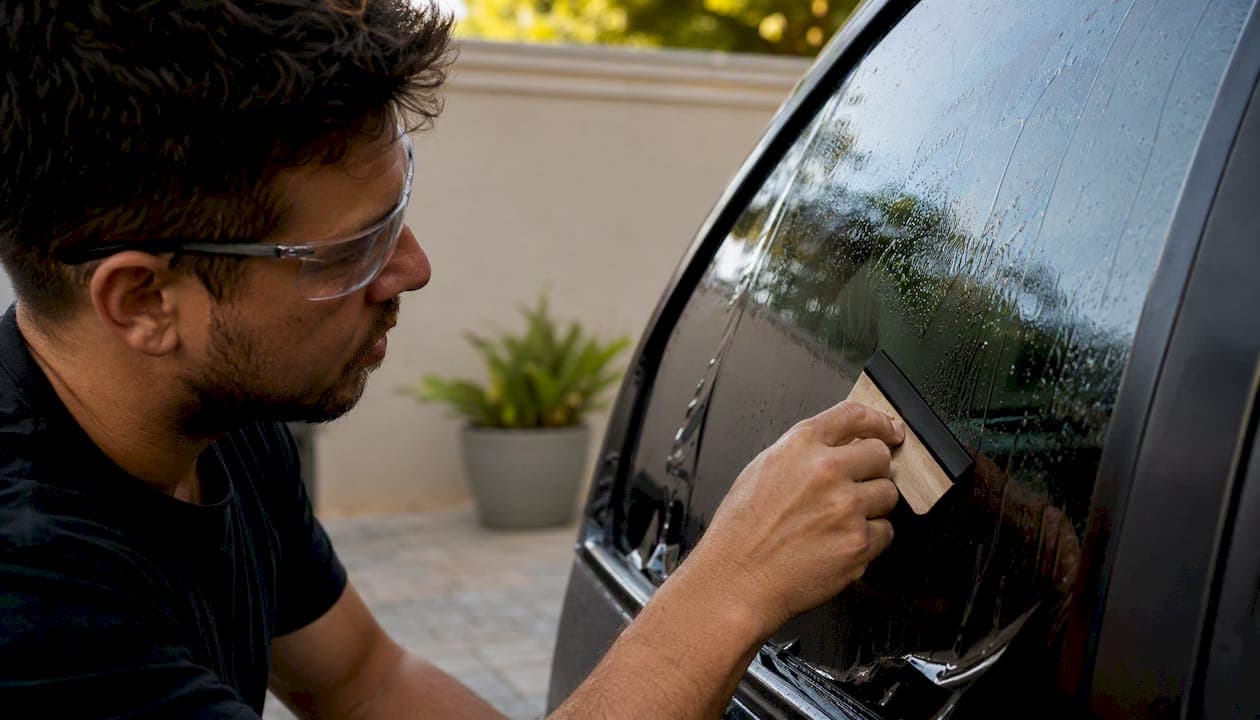
If you want the strongest possible heat rejection and don't mind paying more, 3M Ceramic IR is your pick. If you want a smart balance of price, comfort, and color that won't fade, 3M Color Stable IR is the better fit for most daily drivers.
- Color Stable IR uses a non-metal ceramic build with a patented dye, so it resists fading and won't mess with your phone signal or GPS.
- Ceramic IR pushes heat rejection higher and clarity further, at a higher price point.
Read on for the exact IRER, IRR, TSER, and VLT numbers behind that recommendation.
Key Takeaways
Color Stable IR delivers total solar energy rejection performance with guaranteed color stability, while Ceramic IR and Crystalline trade a higher price for stronger heat rejection.
| Point | Details |
|---|---|
| Core difference | Color Stable IR balances cost and performance; Ceramic IR and Crystalline push heat rejection higher at a premium price. |
| TSER benchmark | Color Stable IR rejects up to 64% total solar energy and blocks up to 99.9% of UV light. |
| Fade resistance | The patented dye in Color Stable IR specifically targets the purple-fade problem seen in older tints. |
| Metal-free build | All three film families are non-metalized, so none interfere with GPS, radio, or toll transponders. |
| Southmiamitint's role | South Miami Tint installs both Color Stable IR and Ceramic IR at your location with manufacturer warranty support. |
Table of Contents
- What Is 3M Color Stable IR and What Does It Claim?
- Where Ceramic IR and Crystalline Fit on the Spectrum
- How Do the Specs Actually Compare?
- What Do IRER, IRR, TSER, and VLT Actually Mean for You?
- Does Color Stable IR Really Resist Fading Better?
- Which Film Should You Actually Choose?
- Get Your 3M Film Installed at Your Location
- Sources
What Is 3M Color Stable IR and What Does It Claim?
Color Stable IR (often shortened to CS-IR) is 3M's ceramic nanotechnology film built around a patented dye designed to resist purple fading over years of sun exposure. It's non-metalized, so it won't interfere with your radio, GPS, or toll transponder.
On performance, 3M's own spec sheet puts Color Stable IR's total solar energy rejection (TSER) at up to 64%, with UV blocking as high as 99.9%. It comes in seven VLT options: 5%, 15%, 25%, 30%, 35%, 50%, and 70%, so you can dial in darkness level without giving up IR performance.
Quick stat: the darkest option, CS IR 5, rejects roughly 64% of infrared energy (IRER) and blocks about 40% of infrared radiation (IRR), with glare reduction up to 91%.
- Non-metal ceramic construction, zero signal interference
- Backed by a limited lifetime warranty per 3M's technical data sheet
- Thicker film (2 mil on IR 5, 1.5 mil on other VLTs) that installers find easier to work with and less prone to creasing
Where Ceramic IR and Crystalline Fit on the Spectrum
Ceramic IR and Crystalline are 3M's higher-tier options, and they exist for owners who want maximum heat rejection above almost anything else, including price.
- Ceramic IR uses a denser ceramic formulation for stronger heat rejection and sharper optical clarity, typically at a higher cost than Color Stable IR.
- Crystalline goes further still, engineered to reject significant infrared heat even at very light VLT levels, which appeals to owners who want a barely-tinted look with real cooling power.
- Color Stable IR sits in the middle: strong IR performance, proven fade resistance, and a price that doesn't require justifying to your accountant.
An installer comparison from Pro Tint Orlando frames it the same way: Color Stable for balance, Ceramic IR when heat rejection is the only thing that matters.
How Do the Specs Actually Compare?
Numbers tell the story better than marketing copy. Here's how the documented CS-IR lines stack up against the general positioning of Ceramic IR and Crystalline.
| Spec | Color Stable IR | Ceramic IR (general) | Crystalline (general) |
|---|---|---|---|
| TSER | Up to 64% | Higher, exact figures vary by VLT | Higher still at light VLTs |
| IRER | Up to 64% (CS IR 5) | Strong, positioned above CS-IR | Among the strongest available |
| UV blocking | Up to 99.9% | Comparable | Comparable |
| VLT options | 5%, 15%, 25%, 30%, 35%, 50%, 70% | Multiple, similar range | Multiple, including very light shades |
| Metal-free | Yes | Yes | Yes |
| Warranty | Limited lifetime | Limited lifetime | Limited lifetime |
| Relative price | Mid-range | Higher | Highest |
A few things stand out once you translate this into real ownership:
- All three families are metal-free, so signal interference isn't a deciding factor between them.
- Color Stable IR's fade resistance is its calling card. It's built specifically to fight the anti-purple problem that plagued older dye-based films.
- If your budget caps out at "good, not maximum," Color Stable IR gets you most of the comfort benefit without Ceramic IR's price tag.
What Do IRER, IRR, TSER, and VLT Actually Mean for You?
These acronyms sound technical, but they translate directly into how your car feels on a Tuesday afternoon in a parking lot.
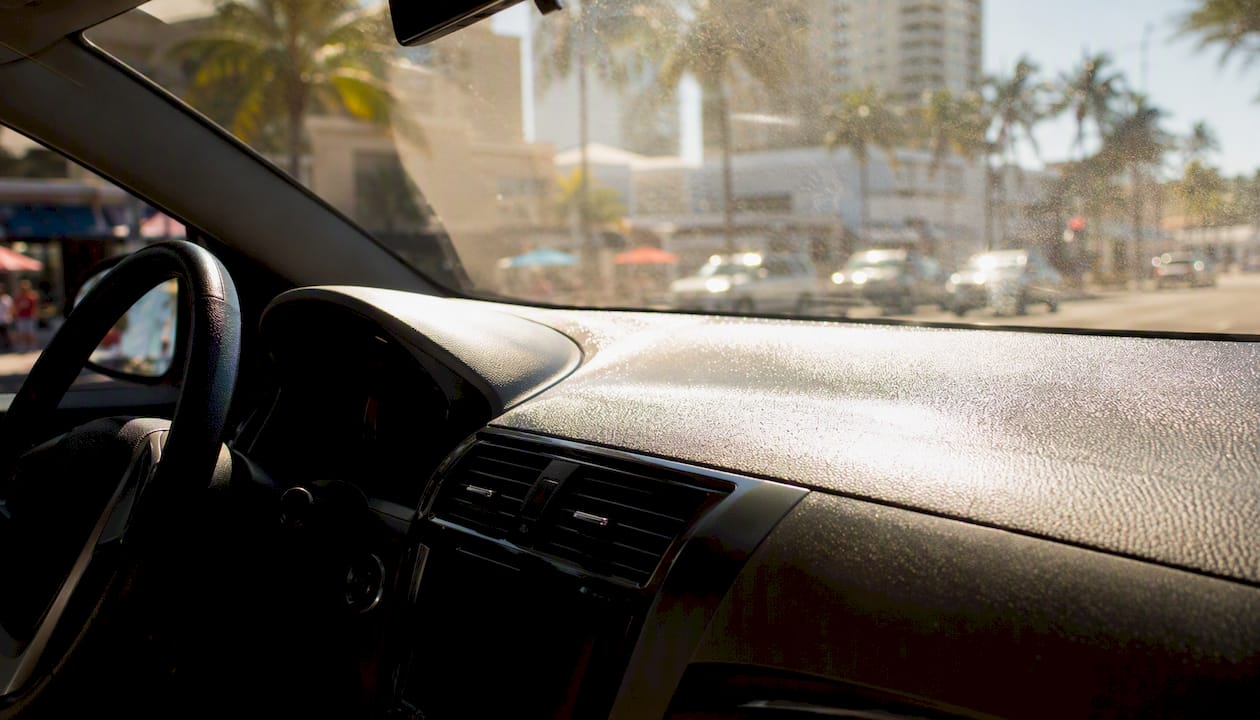
TSER (total solar energy rejected) is the broadest number. It measures how much total solar energy the film blocks, heat included. IRER and IRR zoom in specifically on infrared, the part of sunlight responsible for most of the "oven effect" in a parked car. VLT (visible light transmission) is simply how much light passes through, which determines how dark the glass looks and how legal it is in your state.
A film rejecting 64% TSER, like the darkest Color Stable IR option, meaningfully cuts the heat load compared to bare glass, which is why cabins with quality IR film feel noticeably cooler within minutes of getting in.
Pro Tip: Ask your installer to verify VLT with a handheld light meter after installation. Spec sheets show lab numbers, but a quick meter check confirms what actually got applied to your glass.
Does Color Stable IR Really Resist Fading Better?
Older automotive tints, especially dyed films without ceramic technology, are notorious for turning purple or hazy after a few years in Florida sun. Color Stable IR was engineered specifically to solve that.
- The patented dye formulation resists UV-driven color shift, which is the root cause of the purple-fade look.
- Non-metalized construction means no interference with keyless entry, GPS, or cell signal, a common complaint with older metallic films.
- 3M's technical data sheet notes improved hard coat technology, which reduces scratching and creasing during and after installation.
One caveat worth knowing: warranty coverage assumes proper installation. Poor prep work or a rushed install can shorten the film's real-world lifespan even when the material itself is rated for decades.
Which Film Should You Actually Choose?
Match the film to your priority, not the marketing copy.
- Maximum cooling and comfort in extreme heat: Choose Ceramic IR or Crystalline if budget allows and heat rejection is non-negotiable.
- Balanced value with strong performance: Choose Color Stable IR. You get real IR rejection, guaranteed color stability, and a price that makes sense for a daily driver.
- Highest clarity with very light tint: Crystalline suits owners who want a barely-there look that still blocks significant infrared.
- Daily commuters worried about interior fading over five-plus years of Florida sun should lean toward Color Stable IR.
- Owners relying on toll transponders, dash cams, or GPS should stick with metal-free films (all three qualify).
- Budget-conscious buyers get the best cost-to-comfort ratio with Color Stable IR rather than stretching for Crystalline.
Expect to pay more as you move up from Color Stable IR to Ceramic IR to Crystalline, roughly in that order.
What Mobile Installers Notice on the Job
Installers see the tradeoffs up close, not just on a spec sheet. Choosing a VLT that meets your state's tint law limits while still getting IR benefit is the first conversation worth having, especially around sunroofs and heated rear windows, where film handling gets trickier.
- Color Stable IR's thicker construction installs more cleanly, with fewer creases on curved rear glass.
- Non-metal film means fewer callback complaints about spotty GPS or dropped calls.
Pro Tip: Avoid rolling down windows for the first 3 to 5 days after installation. The adhesive needs that window to fully cure.
A Note From the Installer's Chair
Years of working with 3M films on Miami vehicles have shown one pattern clearly: Color Stable IR earns its reputation as the reliable middle ground. South Miami Tint backs every install with manufacturer warranty support and handles the whole job at your home or office.
Get Your 3M Film Installed at Your Location
South Miami Tint installs both Color Stable IR and Ceramic IR at your home or office, which means no waiting rooms and no lost afternoon at a shop.
Whether you've decided on Color Stable IR for its fade resistance or you're leaning toward Ceramic IR for maximum heat rejection, our mobile team brings the film, tools, and 3M-backed warranty directly to your driveway. Miami heat doesn't wait, and neither should your install. Check current mobile tinting prices or book a ceramic window tint appointment today, and we'll match the film to your budget and comfort goals on-site.
Sources
- 3M™ Automotive Window Film Color Stable Series | 3M United States
- Revision C, May 2024 3M™ Automotive Window Film Color Stable Series Technical Data Sheet
- How to Choose The Right 3M Window Tint for Your Car | Pro Tint Orlando