
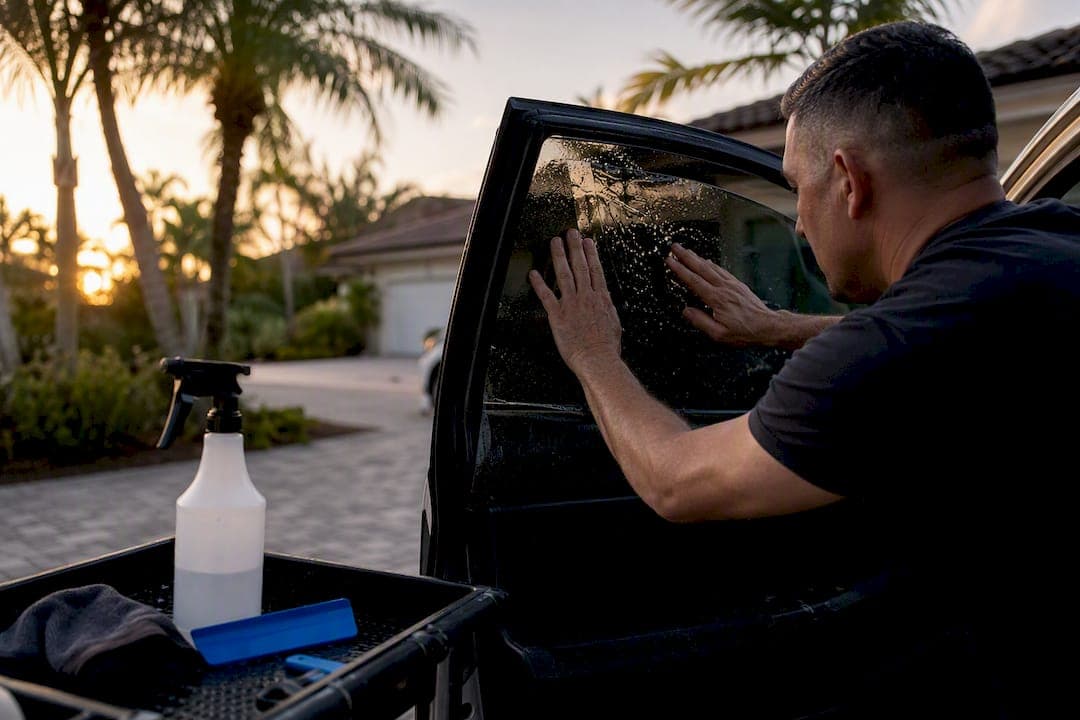
Most full-vehicle 3M Crystalline installs run between $580 and $1,200, with a typical sedan landing around $700 to $900. Your final number depends on vehicle class, whether the old film needs to come off first, and which installer you choose. Skip the guesswork and get an authorized-dealer quote tied to your actual vehicle.
TL;DR:
- Expect full-vehicle 3M Crystalline installation costs to range from $580 to $1,300 depending on vehicle size, complexity, and added labor for removal or extra work.
- Labor time and cost vary mainly due to glass shape, curvature, and whether old film or specialized cuts for windshields are required.
- Quotes differ significantly based on region, installer credentials, package deals, and included services, so always clarify what is included before accepting an estimate.
- Crystalline provides superior heat rejection and clarity, especially on windshields, making it ideal for hot climates or those prioritizing optical transparency.
- Long-term, the film's Color Stable technology minimizes fading and bubbling, often making it a cost-effective choice over the vehicle's lifetime if properly maintained.
Table of Contents
- How Much Is 3M Crystalline for Different Vehicle Types?
- What Factors Actually Change Your 3M Crystalline Price?
- What Do Real 3M Crystalline Quotes Look Like?
- 3M Crystalline vs. 3M Ceramic IR: Which Is Worth the Money?
- What Should You Ask Before Accepting a Quote?
- How Long Does Installation Take and What Add-Ons Should You Budget For?
- How Southmiamitint Prices and Installs 3M Crystalline
- What Warranty Coverage Comes With a Crystalline Install?
- How Can You Save Money on a 3M Crystalline Install?
- What Does Crystalline Cost Over the Life of Your Car?
- When Does the Extra Cost of Crystalline Actually Pay Off?
- Ready to Get a Real 3M Crystalline Quote?
- Where to Verify 3M Crystalline Specs and Pricing
- Sources
How Much Is 3M Crystalline for Different Vehicle Types?
Pricing for 3M Crystalline scales with glass size and window count, not just square footage. A compact sedan needs far less film than a three-row SUV with a wraparound rear window, and shops price accordingly.
Here's what buyers typically report across vehicle classes:
- Compact or sedan (2 side windows + rear set): $580 to $900
- Midsize sedan or coupe, full vehicle: $700 to $1,000
- SUV or truck, full vehicle: $900 to $1,300
- Windshield strip or full windshield film: $250 to $500 added on top of side/rear pricing
- Single-window or two-window touch-up job: $150 to $350
Comparison writeups covering the Los Angeles market put typical sedan Crystalline pricing at $580 to $900, overlapping with Ceramic IR at the low end. Meanwhile, some long-form product reviews report far steeper numbers, citing full-vehicle installs from $1,500 to $3,000 at certain premium shops.
That spread isn't a pricing error. It reflects three different data sources answering three different questions. Shop price lists quote a clean job on a bare vehicle. Forum reports mix in old-film removal, rush jobs, and regional labor rates. High-end review sites often reflect boutique installers in expensive metro markets, not the national norm. A promotional bundle (say, four doors plus rear windshield at a package rate) will always undercut an à la carte quote for the same windows, which is another reason two "Crystalline quotes" can look nothing alike.
If a quote seems out of range in either direction, ask what's included before assuming it's wrong.
What Factors Actually Change Your 3M Crystalline Price?
Your quote isn't arbitrary. Installers build it from a handful of predictable variables, and knowing them lets you compare two bids apples to apples.
- Glass count, shape, and curvature. Deeply curved rear windows and multi-piece SUV glass take longer to cut and fit than flat sedan windows, and labor time drives price.
- VLT choice. Darker legal tints and specialty shades sometimes require more film waste during cutting, which can nudge cost up slightly.
- Old-film removal. Stripping failing factory tint or a previous install (especially old dyed film that's baked on) adds real labor hours and is often billed separately.
- Windshield and sunroof work. Windshield strips and defogger-safe rear cuts demand more precision around embedded wiring and sensors, which raises the per-window rate.
- Installer credentials and business model. Authorized 3M dealers with certified techs typically price higher than unaffiliated shops, and mobile service adds a convenience premium over drop-off garages.
- Local labor rates and warranty terms. A shop backing its work with a lifetime warranty builds that cost into the quote up front rather than charging for repairs later.
What Do Real 3M Crystalline Quotes Look Like?
Numbers mean more with context. Here's a sample of what's actually been reported, labeled by source type so you know how much weight to give each one.
- Shop list price (sedan, full vehicle): $580 to $900, per comparison pricing writeups
- Forum report (single job, region unspecified): $700, described as a "fair" price for a four-door sedan in a community pricing thread
- Forum report (low outlier): $310 to $395, flagged by other commenters as likely missing rear windshield or using older film stock
- Forum report (high end, full install with extras): $800 to $1,200 for jobs including windshield strip and old-film removal
- Premium review estimate (full vehicle, boutique shop): $1,500 to $3,000, per long-form product reviews
Promotions matter here. Shops frequently discount package deals (all windows plus windshield) versus pricing each piece individually, so a bundled quote that looks high at first glance can actually beat piecing the job together. Low-ball numbers deserve scrutiny. A $300 "full Crystalline install" quote almost always omits something: the windshield, old-film removal, or a warranty. Forum pricing data is useful for spotting regional trends, but treat it as a benchmarking signal, not a guarantee of what you'll pay.
3M Crystalline vs. 3M Ceramic IR: Which Is Worth the Money?
Crystalline sits at the top of 3M's ceramic lineup, and the spec sheet explains the premium. Comparison data on both films cites Crystalline reaching up to 64% total solar energy rejection, 98% infrared rejection, and 99.9% UV block, all while staying nearly clear enough for windshield use.
Statistic callout: That near-invisible clarity is why Crystalline is one of the only films widely applied to windshields without violating visible-light-transmission rules in most states. Ceramic IR can't match that combination of clarity and heat rejection on windshield glass.
- Choose Crystalline when: you drive daily in a hot climate, want windshield-grade heat rejection, or care about maintaining a clear, factory-glass look.
- Choose Ceramic IR when: you want darker VLT on side and rear windows, don't need windshield film, and want strong heat rejection at a lower price point.
The price delta between the two typically runs $100 to $300 for a full vehicle, with Ceramic IR often landing at the bottom of Crystalline's own range.
What Should You Ask Before Accepting a Quote?
A vague quote is the biggest red flag in this entire process. Before you book anything, get these details in writing.
- Ask for a line-item quote broken out by window, plus an estimated install time.
- Confirm the exact product code and ask to see the 3M Technical Data Sheet for the film they're using.
- Verify authorized-dealer status directly, since not every shop selling "3M film" is certified to install it.
- Ask whether old-film removal and windshield or sunroof work are included or billed separately.
- Get the warranty terms in writing, including whether it transfers if you sell the car.
- Watch for red flags: no itemized breakdown, same-day promises on a full SUV, or a cash-only policy with no paper trail.
Pro Tip: Text or email your VIN and vehicle trim to the shop before your appointment. Glass specs vary even within the same model year, and a quote based on the wrong trim is the number one cause of "surprise" charges on install day.
How Long Does Installation Take and What Add-Ons Should You Budget For?
A basic side-and-rear-window set takes roughly 1 to 2 hours. A full vehicle including windshield work often runs 2.5 to 4 hours, and old-film removal can add another 30 to 60 minutes per window.
- Old-film removal: adds $10 to $30 per window in most shops
- Sunroof tinting: adds $50 to $150 depending on panel size
- Defogger-safe rear cuts: built into rear-window pricing but adds time, not always cost
- Curing time: most installers recommend keeping windows up for 3 to 5 days before rolling them down
- Warranty activation: typically starts the day of install, so keep your receipt and product code on file
How Southmiamitint Prices and Installs 3M Crystalline
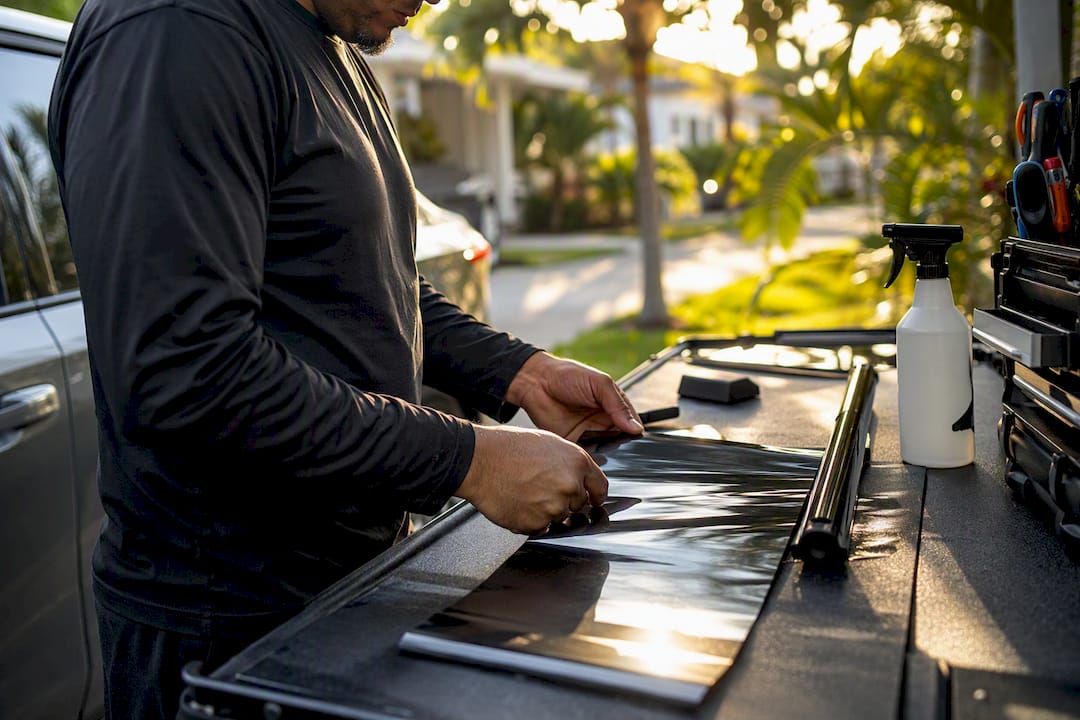
Southmiamitint installs 3M Crystalline alongside 3M Ceramic IR, 3M Color Stable, and Iviron KoolMax ceramic film across Miami-Dade County, all via mobile service at your home or office. You get a line-item quote before any film touches your glass, so you know exactly what you're paying for old-film removal, windshield work, or sunroof cuts. Every install is backed by warranty coverage explained up front, not buried in fine print. Because the crew works with premium 3M technologies daily, quotes reflect your actual vehicle rather than a generic estimate pulled from a price sheet.
What Warranty Coverage Comes With a Crystalline Install?
Most authorized 3M installers back Crystalline with a lifetime warranty against bubbling, peeling, and color fading, since 3M's Color Stable technology is engineered to resist the discoloration older dyed films suffer. That warranty typically applies for as long as you own the vehicle, and it usually transfers to a new owner if you sell the car, though you'll want that confirmed in writing rather than assumed.
Warranty coverage is baked into most shop quotes rather than sold as an add-on, which is one reason a suspiciously cheap install deserves a second look. A shop cutting corners on film quality or installer training has less confidence backing a lifetime claim, and that shows up in how vague their warranty language gets. Ask specifically what voids the warranty. Common exclusions include aftermarket window modifications, improper cleaning products, and damage from something other than the film itself, like a rock chip that cracks the underlying glass. None of that should surprise you if the shop walks you through it before you sign anything.
How Can You Save Money on a 3M Crystalline Install?
Timing and bundling are your two biggest levers here. Shops often run seasonal promotions, particularly heading into summer when heat-rejection film sees the highest demand, and bundling all windows plus the windshield in one appointment almost always beats booking them separately.
A few practical ways to bring the price down without downgrading the film itself:
- Book a full-vehicle package instead of paying per window; bundled pricing consistently undercuts à la carte rates.
- Ask about seasonal or referral promotions, especially in spring before peak summer demand hits.
- Skip old-film removal costs by choosing a fresh installer if your current tint is already legal and undamaged, though this only works if you're adding a windshield strip to existing side tint.
- Compare mobile vs. drop-off pricing. Mobile service adds convenience, but some shops price it identically to in-shop work, so it's worth asking directly rather than assuming a markup.
What you shouldn't cut is film quality itself. A cheaper, non-ceramic film to save $100 upfront often costs more over time in fading, heat complaints, or a redo job.
What Does Crystalline Cost Over the Life of Your Car?
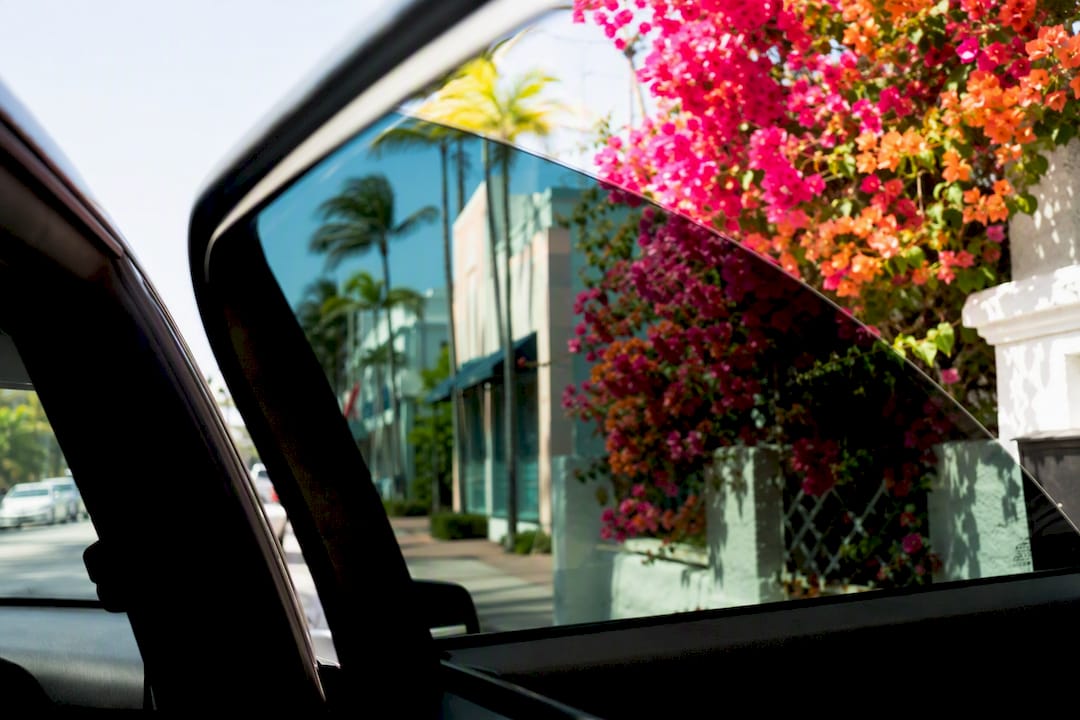
Crystalline's biggest long-term advantage is durability. The film's Color Stable construction is built to resist the purple or bubbling look that plagues cheaper dyed tints after a few years of Florida sun, which means most owners never face a re-tint cost during normal ownership.
That said, a few scenarios do trigger additional spending down the line. Windshield replacement after a crack means the film strip needs to be redone, typically at a lower cost than the original install since it's a single piece. Selling your car with a transferable warranty in hand is also worth documenting, since it can be a small selling point to a tint-conscious buyer. Outside of glass damage or a full repaint, there's little reason to expect a second Crystalline expense on the same vehicle.
When Does the Extra Cost of Crystalline Actually Pay Off?
Crystalline earns its premium in specific situations, not universally. If you drive daily in a hot climate and spend real time behind the wheel in direct sun, the windshield-grade heat rejection changes how the cabin feels within the first week. I'd point buyers toward Crystalline mainly when windshield film and unmatched optical clarity actually matter to their situation, not just because it's the top-tier name on the shelf. If your priority is simply darker windows at the lowest possible price, Ceramic IR or a comparable film covers that need for less. Either way, get an in-person quote before deciding. Glass specs and local pricing vary enough that no online range replaces an actual look at your vehicle.
— Jose
Ready to Get a Real 3M Crystalline Quote?
Southmiamitint is the mobile alternative to shop drop-off waits and guesswork estimates. We come to your home or office in Miami-Dade County, walk you through a line-item quote before touching your car, and install ceramic and Crystalline film the same day in most cases. No generic online calculator replaces a quote built around your actual vehicle, glass condition, and window count.
Whether you're weighing a full-vehicle Crystalline install or just the windshield strip, request a quote based on your VIN and trim rather than a national average. Ask about our current mobile-service scheduling, and we'll confirm product codes and warranty terms before you commit to anything.
| Action | What You Get |
|---|---|
| Request a quote | Line-item pricing based on your vehicle |
| Schedule mobile install | Same-day service at your home or office |
| Ask for the TDS | Confirm exact film specs and authorized status |
Start by checking mobile installation pricing for your vehicle class, or head straight to booking a mobile install if you already know Crystalline is the film you want.
Where to Verify 3M Crystalline Specs and Pricing
- 3M Automotive Window Film Crystalline Series: official product page and installer locator; verifies film specs and directs you to authorized dealers for a real quote.
- 3M Crystalline Review: independent breakdown of performance claims and reported install pricing at the premium end of the market.
- Crystalline vs. Ceramic IR Comparison: side-by-side performance stats, including TSER, IR rejection, and UV block figures.
- XPEL PRIME XR PLUS vs. 3M Crystalline Pricing: shop-sourced sedan pricing bands for benchmarking Crystalline against Ceramic IR.
Consult 3M's own Technical Data Sheet before comparing any two quotes. It's the only document that tells you whether two installers are even quoting the same film.
Sources
- 3M™ Automotive Window Film Crystalline Series
- 3M Window Tint Review Crystalline
- XPEL PRIME XR PLUS vs 3M Crystalline Window Tint 2026
- What to charge for 3m crystalline tint job? (forum post)