
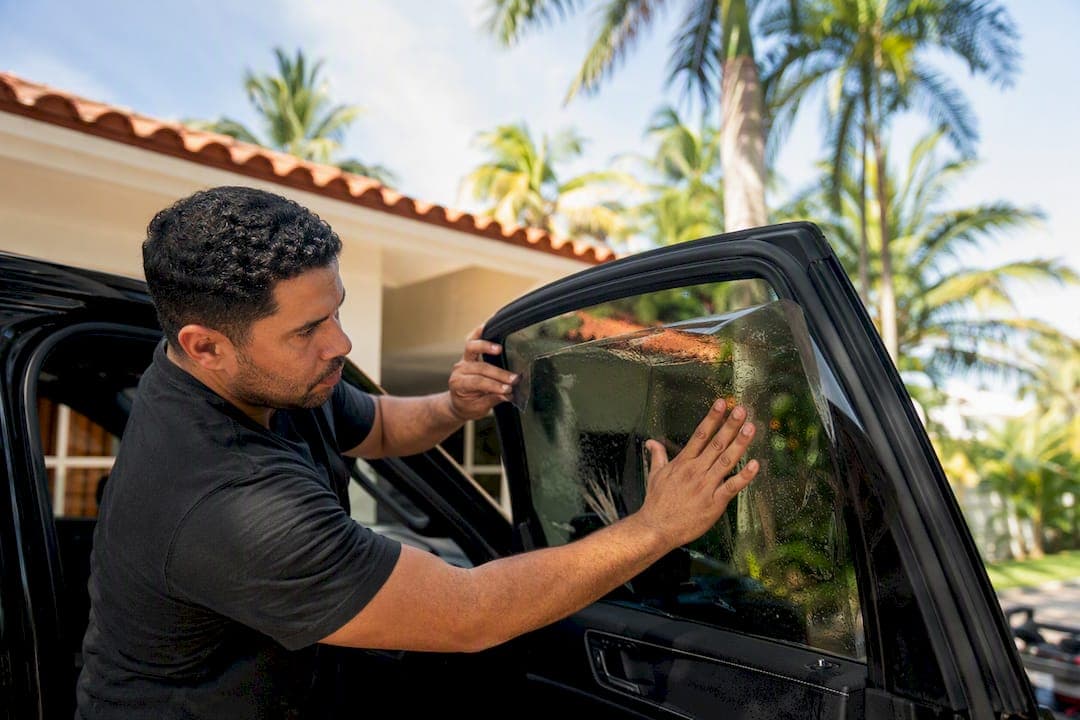
Mobile tinting is worth it if you need convenience without sacrificing quality: fleet owners, busy professionals, and anyone protecting a new car benefit most. It's a weaker choice if you can't offer a clean, sheltered space for the installer, or if the provider skips warranty documentation. Ceramic film, like 3M Ceramic IR or Iviron KoolMax, performs equally well whether installed in your driveway or a shop bay when the installer properly controls dust and curing conditions. The installer's skill and the environment they work in matter more than where the van parks.
Before you book anything, run through these basics:
- Ceramic tint blocks a high share of UV rays and cuts cabin heat regardless of setting, according to ceramic film performance data.
- A documented warranty and a real business address matter more than a low quote.
- If you want the full decision framework, keep reading. The checklist below covers garage access, fleet math, and what to ask before you commit.
Key Takeaways
Mobile tinting pays off when convenience has real value to you and the installer controls for environment, film selection, and warranty documentation.
| Point | Details |
|---|---|
| Convenience has clear winners | Fleet operators, multi-car households, and mobility-limited owners see the clearest value from mobile installs. |
| Environment drives quality risk | Dust, wind, and lack of climate control raise defect risk more than the mobile format itself. |
| Ceramic film justifies its price | 3M Ceramic IR and similar films cut heat and UV exposure while avoiding signal interference issues. |
| Warranty documentation is non-optional | Confirm terms in writing and a real business address before booking any mobile installer. |
| Southmiamitint offers documented mobile installs | Southmiamitint stocks 3M Ceramic IR, 3M Color Stable, and Iviron KoolMax with garage-first scheduling and warranty documentation for Miami-Dade customers. |
Table of Contents
- Is Mobile Tinting Worth It for Convenience and Scheduling?
- What Are the Trade-Offs of Mobile Tinting vs. a Shop?
- When Is Mobile Tinting the Better Choice? A Decision Checklist
- How Do Mobile and In-Shop Installs Differ in Practice?
- What Should You Ask Before Booking a Mobile Installer?
- What Does Mobile Tinting Cost, and How Long Does It Take?
- Is Ceramic Tint Worth the Extra Cost?
- What Makes Southmiamitint's Mobile Installs Different?
- Why the "Mobile vs. Shop" Debate Misses the Point
- Ready to Book Your Mobile Tint Appointment?
- Sources
Is Mobile Tinting Worth It for Convenience and Scheduling?
Mobile tinting earns its reputation for one reason: it removes the two hours you'd otherwise lose sitting in a shop lobby. You keep your car at home, at your office, or at the job site while a technician handles the work on-site. That's not a minor perk if your schedule doesn't have a two-hour gap in it.
The benefits of mobile tinting stack up fastest for specific situations:
- Fleet operators and delivery businesses avoid pulling vehicles out of rotation for a full day.
- Multi-vehicle households can get two or three cars tinted back-to-back without multiple shop trips.
- Mobility-limited owners skip the hassle of arranging a ride to and from a shop.
- New-car owners can schedule tinting the same week as delivery, before UV exposure and interior fading start adding up.
Mobile providers frequently run leaner operations than storefront shops. Lower overhead often translates into competitive pricing, according to mobile tinting cost analysis, which narrows the value gap between mobile and in-shop pricing more than most people expect.
Pro Tip: If you're tinting more than one vehicle, ask about a multi-car discount before you book. Mobile installers often quote lower per-vehicle rates once they're already on-site with their tools set up.
Downtime has a real cost. A work truck sitting in a shop parking lot for six hours is a truck that isn't generating revenue. For fleet managers, that math alone tips the decision toward mobile window tinting almost every time.
What Are the Trade-Offs of Mobile Tinting vs. a Shop?
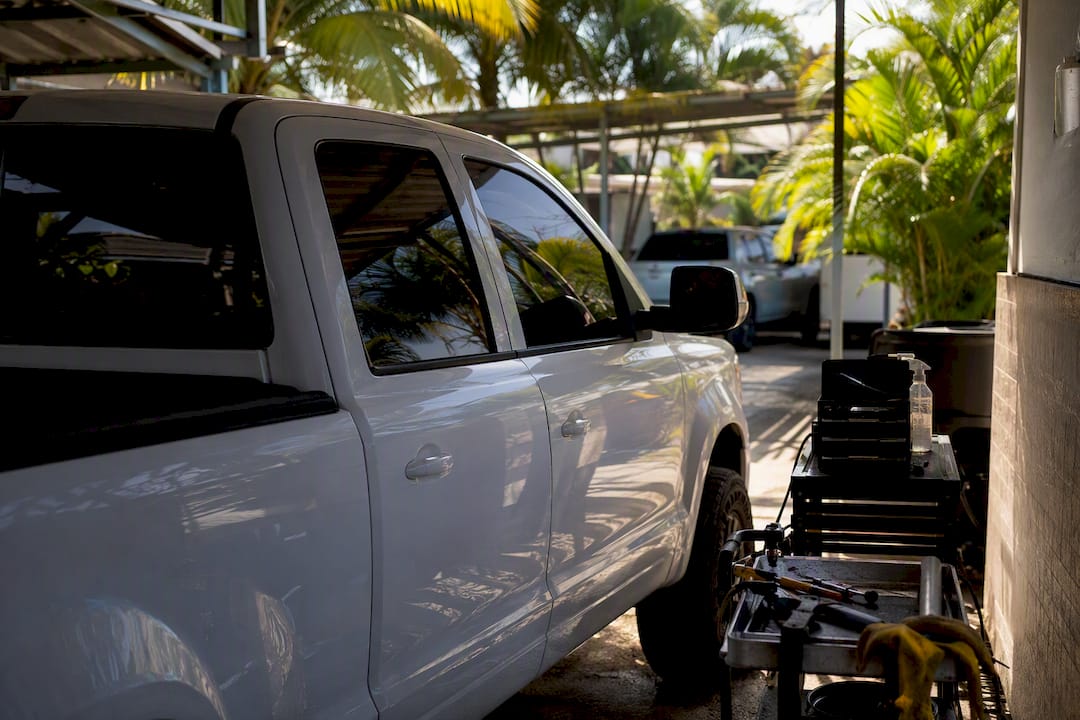
Mobile tinting pros are real, but the cons deserve equal attention before you commit. The biggest risk isn't the installer's skill. It's the environment.
Wind, dust, and pollen are the enemy of a clean tint job. A shop bay controls all three. A driveway does not, unless the installer takes real precautions.
- Airborne contamination. Dust or pollen trapped under the film during application can cause visible specks or bubbling that never fully cures out.
- Limited on-van inventory. A mobile installer typically carries fewer film rolls than a shop's full film wall, which can mean less selection for specialty tints or unusual vehicle glass.
- No climate-controlled curing. Humidity and temperature swings outdoors can slow curing and, in rare cases, affect adhesion quality.
- Warranty logistics. If a bubble or peel shows up eight months later, will the same technician come back, or are you mailing a claim to a call center?
shop tinting](https://gilroyblackout.com/blog/mobile-vs-in-shop-window-tinting-gilroy/). That doesn't make mobile the wrong choice. It means the burden shifts to you and the installer to recreate shop-like conditions. This is entirely possible with the right setup.
When Is Mobile Tinting the Better Choice? A Decision Checklist
Run through these four questions before booking. If you answer "yes" to two or more, mobile service is probably your better option.
- Does downtime cost you money? Fleet vehicles, rideshare cars, and work trucks lose income every hour they're off the road. Mobile service eliminates that gap entirely.
- Is a shop visit genuinely impractical? Limited mobility, no ride to drop off the car, or a schedule that doesn't allow for a half-day appointment all favor mobile.
- Can you provide a sheltered workspace? A garage is ideal. A covered carport works. An open driveway on a windy day does not.
- Does the installer stock premium film and document their warranty? Ask specifically about brands like 3M Ceramic IR, 3M Color Stable, or Iviron KoolMax, and get warranty terms in writing before the appointment.
Pro Tip: If your garage is available, offer it. A clean, wind-free space is the single biggest quality lever you control as the customer, and it costs you nothing but access.
Skip mobile and choose a shop if you can't meet the third condition and the installer can't offer an alternative controlled space nearby. A single dusty install on a breezy afternoon can undo the value of even the best film.
How Do Mobile and In-Shop Installs Differ in Practice?
The film doesn't know where it's installed. The installer and the environment determine the outcome, and those two variables diverge sharply between mobile and shop settings.
- Environmental control. Shop bays filter air and control temperature, reducing the defect risk that comes with wind and dust. Mobile setups rely on the installer's discipline and site selection.
- Cutting precision. Shops often use computer-cut patterns matched to your exact vehicle model. Mobile installers sometimes hand-trim on-site, which works fine in skilled hands but leaves less margin for error.
- Film testing under real light. A shop showroom lets you compare film shades side by side before committing. Mobile appointments usually mean choosing based on samples or prior experience with the film line.
- Curing and inspection. Shops can hold a vehicle for a final inspection after initial curing. Mobile jobs often require you to self-inspect once you're back on the road.
A durable, defect-free install depends on controlling the variables that cause bubbling and dust inclusion, according to research on installation environments. Mobile installers who understand this compensate by working in garages, scheduling around weather, and slowing down on cutting. The gap closes when the installer treats mobile conditions as a constraint to manage, not an excuse to cut corners.
What Should You Ask Before Booking a Mobile Installer?
A few direct questions separate a reliable mobile tint job from a costly redo.
- Which film brands do they carry, and why? A confident answer naming 3M Ceramic IR, 3M Color Stable, or Iviron KoolMax, with a reason tied to your vehicle or goals, beats a vague "we have ceramic."
- Can they show recent mobile install photos? Ask specifically for work done outdoors, not just shop photos, so you see how they handle real conditions.
- What's the warranty, and who handles claims? Get this in writing, along with a real business address. A phone number alone isn't enough.
- What are their weather and rescheduling policies? A professional installer will reschedule rather than tint in high wind or rain, and should say so upfront.
You're also responsible for confirming your film choice meets your state's darkness and reflectivity rules, since tint laws vary significantly by state and the vehicle owner carries that responsibility regardless of who installs the film.
What Does Mobile Tinting Cost, and How Long Does It Take?
Mid-range dyed or carbon film mobile installs typically run less than premium ceramic packages, with ceramic film commanding a higher price per window due to material cost and heat-rejection performance. Fleet and multi-car bookings usually lower the per-vehicle rate since the installer is already on-site and set up.
- Most sedans require a typical mobile tint job duration that fits within a few hours.
- Ceramic film may need extra drying time before you can roll windows down, often 24 to 48 hours.
- Multi-car fleet jobs can stretch across a full day but reduce cost per vehicle.
Ceramic film's UV-blocking and heat-reduction properties often pay back the premium through lower air conditioning strain and better-protected upholstery over the life of the film. Check current mobile tinting price ranges before you compare quotes so you know what's typical for your film choice.
Is Ceramic Tint Worth the Extra Cost?
Ceramic film justifies its price for most drivers who plan to keep the vehicle for several years. It blocks more heat and UV radiation than dyed film, and unlike older metallic tints, it avoids interfering with radio, GPS, or cell signals.
- Ceramic is the strongest choice for heat rejection, UV protection, and interior preservation.
- Dyed or carbon film works fine for drivers focused purely on appearance or a tighter budget.
- Metallic film has mostly fallen out of favor due to signal interference issues that ceramic avoids.
Film choice only delivers on its promise when installer skill and environment cooperate. Ceramic film installed poorly, in dusty conditions, underperforms carbon film installed cleanly in a controlled space. The film and the installer are a package deal, not separate decisions.
What Makes Southmiamitint's Mobile Installs Different?
Southmiamitint runs mobile installs across Miami-Dade County stocking 3M Ceramic IR, 3M Color Stable, and Iviron KoolMax, the same premium lines shops rely on.
- Garage-first scheduling reduces dust exposure whenever a customer can offer covered space.
- Documented warranty terms travel with every install, not just a verbal promise.
- A visible install portfolio lets you check real work before booking.
Pro Tip: Ask about garage availability when you schedule. It's the single biggest quality lever in a mobile appointment, and Southmiamitint will often adjust timing to work around it.
Mobile convenience only pays off when the installer treats your driveway like a job site that deserves the same discipline as a shop bay.
Why the "Mobile vs. Shop" Debate Misses the Point
Most articles on this topic frame mobile and shop tinting as a quality contest, with shops winning by default. That framing gets the priorities backward. The real question isn't where the installer works. It's whether the installer controls the three variables that actually determine outcome: film quality, skill, and environment.
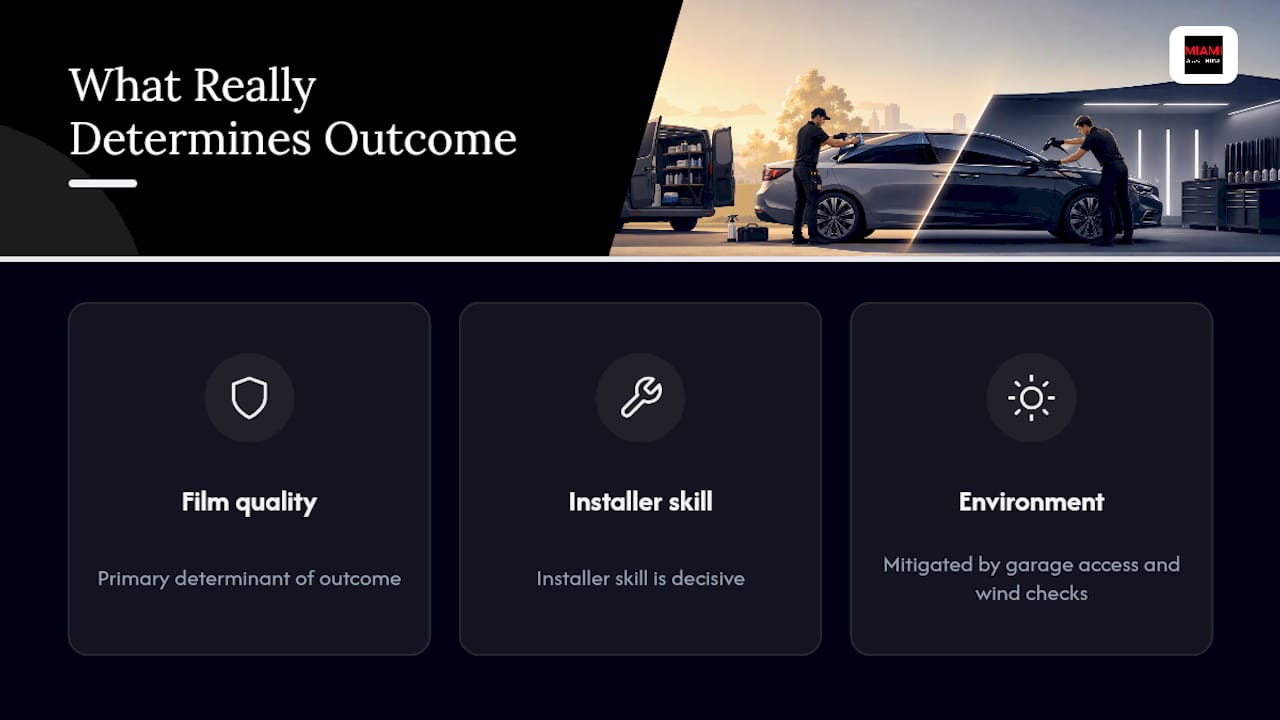
A shop bay doesn't fix a bad installer. A driveway doesn't ruin a good one. What conventional advice underestimates is how much a disciplined mobile technician can neutralize environmental risk simply by insisting on garage access, checking wind conditions, and slowing down on trim work instead of rushing to fit another job into the day.
If you're deciding right now, prioritize the installer's process over the format. Ask about their weather policy before you ask about price. A provider who will reschedule around wind is telling you more about install quality than any brand name on the film roll.
— Jose
Ready to Book Your Mobile Tint Appointment?
Southmiamitint gives you shop-grade film without the shop-grade wait. You get 3M Ceramic IR, 3M Color Stable, or Iviron KoolMax installed at your home or office, with garage-first scheduling built to protect the install from the dust and wind risks this article just covered.
That garage-first approach is the direct answer to the biggest risk mobile tinting carries: environmental contamination during application. Southmiamitint also documents warranty terms upfront and maintains a visible install portfolio, so you're not relying on a verbal promise if something needs a follow-up. For anyone weighing a new car's UV protection or a fleet vehicle that can't sit idle for a day, this is the version of mobile tinting worth booking.
Check current ceramic mobile tint packages starting at $249 or explore 3M ceramic film options to see which line fits your vehicle and budget before you schedule your appointment.
Sources
- Best ceramic window tint 2026 (UPPF USA blog)
- Tint laws by state (GreenFilm USA)
- Mobile vs In-Shop Window Tinting: What Gilroy Drivers Should Know (Gilroy Blackout blog)